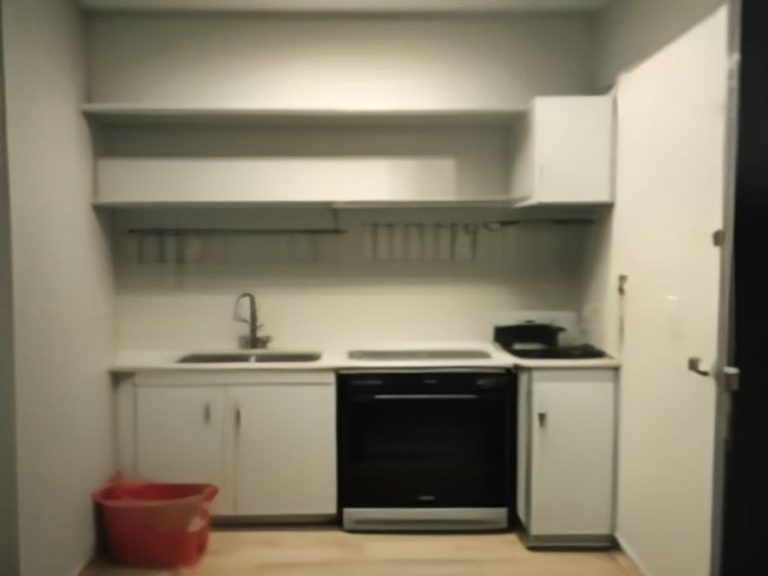

How to Create Storage in a Small Kitchen With No Pantry: Smart Solutions That Actually Work
That moment you come home from the grocery store and realize you have absolutely nowhere to put the food you just bought.
If you’ve ever stared at a bag of flour wondering where on earth it’s going to live, you know the struggle. Small kitchens without pantries force us to get creative. The good news? You don’t need a remodel or a walk-in closet to store your dry goods. With a few smart strategies, you can turn every inch of your space into functional storage .
TL;DR
- Start by Decluttering: You can’t organize what you don’t need. Be ruthless about what actually earns a spot in your kitchen .
- Think Vertical: Use wall shelves, pegboards, and magnetic strips to free up counter and cabinet space .
- Maximize Existing Cabinets: Shelf risers, pull-out drawers, and door-mounted racks double your storage capacity .
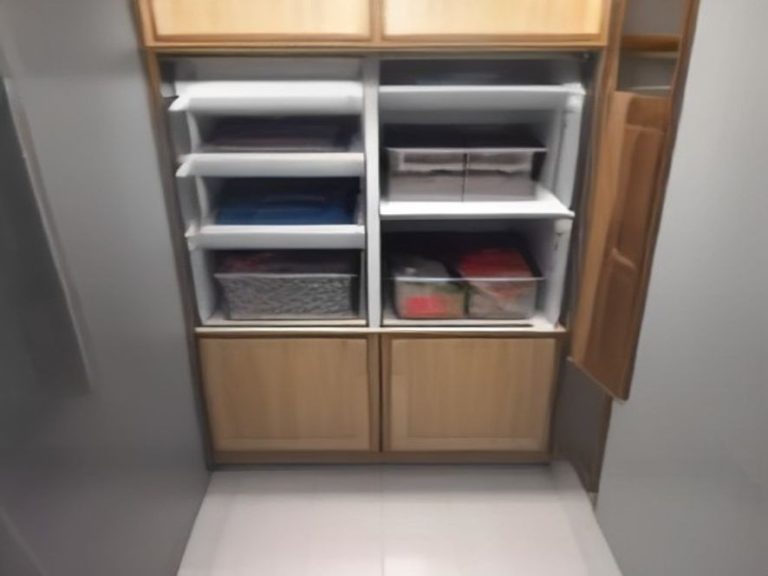
- Use Furniture as a Pantry: Rolling carts, bookcases, and even dressers can become your new pantry zone .
- Go Clear: Transparent containers make food visible and keep it fresh longer .
What Makes a Small Kitchen Feel So Cluttered
The biggest culprit? We treat every item the same way, whether we use it daily or once a year. When food, tools, appliances, and cleaning supplies all compete for the same two cabinets and the same tiny counter, the kitchen turns into a daily excavation project . Without a pantry, we tend to shove bags and boxes wherever they fit, creating a chaotic mess where items get lost and forgotten .
Step-by-Step: How to Fix Your Storage Problem
Step 1: Declutter First, Always
Before you buy a single organizer, do a ruthless purge of everything you don’t truly need. The four-box method works great: sort items into Keep, Donate/Sell, Trash/Recycle, and Relocate . Check expiration dates on food and be honest about gadgets you never use. You can’t organize clutter, and in a small space, every unnecessary item is a space thief .
Step 2: Divide Your Kitchen into Daily, Weekly, and Backup Zones
The fastest way to make a compact kitchen feel worse is to keep every bag of flour, every mug, and every small appliance in the same prime cabinet space. A no-pantry kitchen works better when you sort by use :
- Daily items: Coffee, cooking oil, salt, pepper, the pans you actually use, two or three plates per person, and the snacks you reach for often. These deserve the best cabinet, shelf, cart, or drawer .
- Weekly items: Extra cans, baking ingredients, backup grains, less-used spices, lunch containers. These can move to a higher shelf, a rolling cart, or a nearby closet .
- Backup items: Bulk paper goods, unopened pantry duplicates, seasonal tools, party dishes. These should leave the kitchen if the kitchen is too small to hold them gracefully .
Step 3: Turn One Cabinet into a Mini Pantry
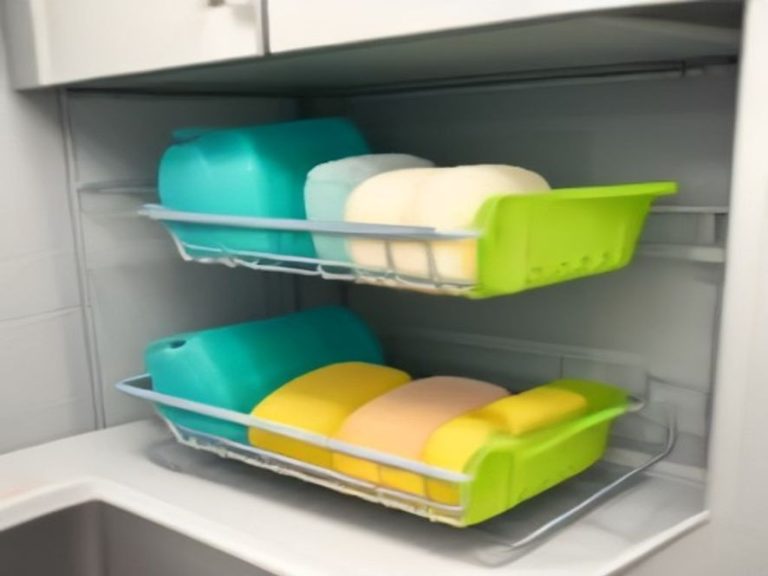
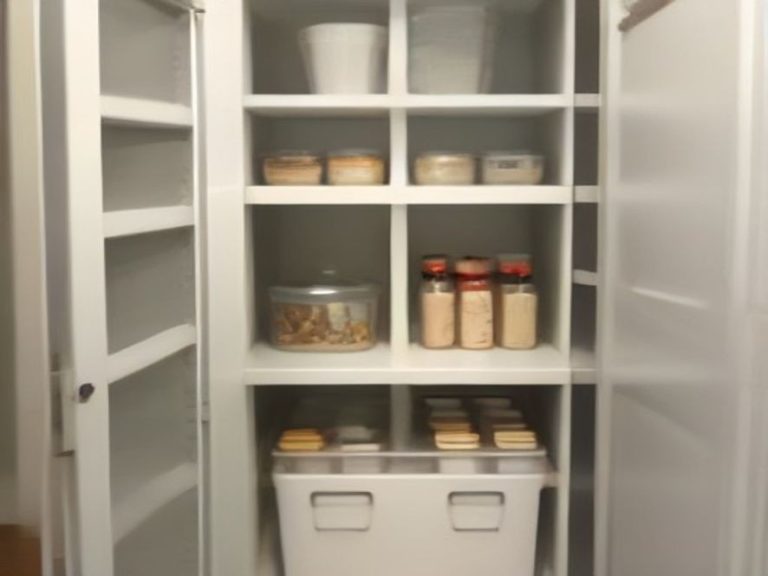
Instead of tucking food wherever it fits, choose one cabinet, one shelf unit, or one cart to act as the food zone . Use shelf risers so short jars and cans don’t waste vertical space . Add clear bins for categories like breakfast, pasta night, baking, snacks, and tea. If the cabinet is deep, use bins like drawers so the back items can slide forward .
*Tip: *Don’t decant everything just because it looks nice online. Decant only the staples you constantly open: rice, oats, cereal, coffee, sugar, flour. Keep awkward or occasional items in their packaging and group them in bins .*
Smart Solutions: How to Create More Storage
Use Wall Shelves Where They Help the Work Zone
Open shelving is a popular trend for a reason. Floating shelves on an open wall can hold frequently used items like spices, grains, and snacks . The best shelves support a specific job. A shelf above a coffee station can hold mugs, beans, and filters. A slim shelf near the stove can hold salt, pepper, olive oil, and the spices you actually cook with .
Kitchen organization tip: Limit open shelves to the good-looking daily items. Use matching jars and baskets to create visual uniformity and hide less attractive items . Open storage works when it displays routine, not chaos .
Try a Rolling Cart as a “Mobile Pantry”
A rolling cart is one of the most useful pantry alternatives because it can become whatever your kitchen is missing: snack pantry, coffee bar, baking station, or appliance garage . These carts come in all shapes and sizes, and since they’re on wheels, you can move them out of the way if you need more space . Choose a deep cart with adjustable shelves to accommodate cans and boxes .
Hang a Pegboard or Magnetic Strips
Pegboards aren’t just for garages. Julia Child famously used one in her kitchen to hang everything from copper pots to whisks . They’re inexpensive, flexible, and easy to install . A magnetic knife strip can also free up drawer space and keep blades accessible .
Use the Back of the Door
Over-the-door hanging organizers can store a variety of pantry items, from bags of dry beans to spices, and keep them out of sight. It’s a great option for renters too . This uses “hidden” space and keeps your gadgets from cluttering drawers .
Maximize Space Above Your Cabinets
The 12-18 inches of space between your cabinets and the ceiling is prime storage . Use large, attractive wicker or plastic bins to store items you don’t use every day, like holiday baking supplies. Label the bins clearly so you don’t forget what’s up there .
Storage Solutions Comparison
| Solution | Best For | Effectiveness | Difficulty Level | Approx. Cost |
|---|---|---|---|---|
| Floating Shelves | Dry goods, jars, daily items | High | Easy to Medium | Low to Medium |
| Rolling Cart | Canned goods, oils, appliances | Medium-High | Very Easy | Low to Medium |
| Pegboard | Pots, pans, utensils | Very High | Easy | Low |
| Pull-Out Cabinet Drawers | Deep cabinet storage | Very High | Medium | Medium |
| Over-the-Door Rack | Spices, small items, boxed goods | High | Very Easy | Low |
| Magnetic Strip | Knives, metal tools | High | Very Easy | Low to Medium |
FAQ: Your No-Pantry Questions, Answered
1. Can I really have a functional kitchen without a pantry?
Yes! With smart use of vertical space, rolling carts, clear containers, and repurposed furniture, you can create plenty of storage .
2. What’s the cheapest way to create pantry storage?
Use a rolling cart, over-the-door organizers, and shelf risers inside existing cabinets. These are affordable and require no renovation .
3. Are open shelves hygienic for dishes and food?
Yes, if you keep items clean and dust occasionally. Using closed jars for dry goods helps maintain hygiene and visual order .
4. How do I keep visual clutter under control on open shelves?
Use uniform containers, limit displayed items, and rotate decorative pieces to keep the look fresh . Hide loud packaging in bins or cabinets .
5. Can renters use these storage solutions?
Absolutely! Rolling carts, over-the-door racks, adhesive hooks, and freestanding shelves add storage without damaging walls .
6. How do I maximize deep cabinets without a pantry?
Install after-market pull-out sliding drawers so you can see every item with a single pull . Use shelf risers to double your vertical space .
Conclusion
Creating storage in a small kitchen with no pantry isn’t about magic—it’s about strategy. Start by decluttering ruthlessly. Then, sort your items by how often you use them. Finally, use the solutions that work for your space: wall shelves, rolling carts, pegboards, and pull-out cabinet organizers. These practical changes will transform your kitchen from a cluttered mess into an organized, efficient cooking space.
*Remember: *A well-organized kitchen isn’t about how much space you have. It’s about how well you use the space you’ve got.*
Which kitchen storage problem do you want solved next? Share your thoughts in the comments.
More kitchen organization guides and expert tips: