Why Is My Small Kitchen Storage Always Full? Common Causes and Fixes
You open your kitchen cabinet, and a pot lid falls out, followed by a jar, a box, and a bag of something you don’t remember buying. Your drawers are jammed, your counters are cluttered, and you can’t find anything. The most frustrating part? You feel like you’ve organized a dozen times, but it never lasts. This is a common struggle in small kitchens, but the good news is that there are specific, fixable reasons why your small kitchen storage is always full. This guide will show you exactly why it keeps happening and how to fix it for good.
TL;DR
Small kitchen storage is always full because of three main culprits: keeping too many duplicates and rarely-used items, not using vertical space, and lacking consistent maintenance habits. To fix this, empty your cabinets and drawers one at a time, be ruthless about what you actually use (not what you might use), and install shelf risers to double your capacity. Create dedicated zones for similar items and commit to a quick 5-minute weekly reset. The goal isn’t to store more—it’s to store smarter.
Key Takeaways
- Too Much Stuff is the Main Problem: The average kitchen is full of duplicate tools, single-use gadgets, and items used less than once a month . A ruthless declutter is the single most effective fix.
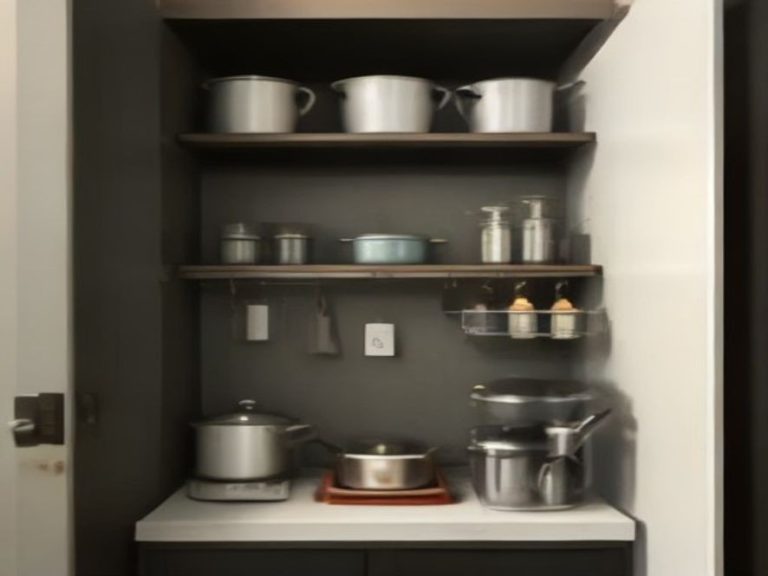
- Vertical Space is Underused: Most cabinets only use the bottom layer of each shelf, wasting all the height above. Shelf risers can instantly double your capacity .
- Consistent Maintenance Matters: Organization isn’t a one-time event. A 5-minute weekly reset prevents chaos from building up.
- Zones Create Order: Group similar items together—baking zone, coffee zone, prep zone—so you always know where things belong .
- Regular Audits Prevent Relapse: A monthly check for expired items and duplicates stops the clutter cycle before it starts.
The Real Causes Behind the Overflow
If your kitchen storage is always full, it’s not because your kitchen is too small. It’s because of hidden habits and overlooked space.
Cause 1: You Have Too Much of Everything
This is the most common culprit. We hold onto duplicate gadgets, old utensils, and items we “might use someday” . According to professional organizers, the average kitchen holds items used less than once a month . Those extra whisk, the garlic press you used once, and the never-used food processor? They’re taking up space that could be used for items you actually need .
The Fix: Be honest. If you haven’t used it in a month, it’s time to let it go. Donate, sell, or store it elsewhere if you absolutely need it, but keep your kitchen for daily essentials.
Cause 2: You’re Only Using One Layer of Shelf Space
Most cabinets have a lot of wasted vertical space above the items sitting on the shelf. A single shelf usually only holds one layer, leaving the height above completely unused . This is the “dead air” problem.
The Fix: Add shelf risers to create a second tier. This instantly doubles your usable shelf space. You can use them for plates, mugs, spices, or canned goods—anything that fits the height.
Cause 3: You Don’t Have Zones for Your Items
When items don’t have a designated spot, they end up wherever they fit. This leads to clutter, lost items, and duplicate purchases . You can’t find the baking powder, so you buy another one, and now you have three.
The Fix: Create clear zones. A baking zone for flour, sugar, and baking supplies. A coffee zone for mugs and pods. A prep zone for cutting boards and knives. When everything has a home, it’s easy to put things back.
Cause 4: You Never Do a Regular Clean-Out
Even the best system will drift over time. Without a regular check-in, expired food accumulates, duplicates pile up, and things get shoved into the wrong spots . This is why your “organized” kitchen looks messy again within weeks.
The Fix: Schedule a monthly 20-minute clean-out. Check expiration dates, consolidate duplicates, and straighten up. A quick 5-minute weekly reset keeps things from getting out of hand.
Cause 5: You Store Non-Kitchen Items in Your Kitchen
It’s tempting to use a kitchen cabinet for cleaning supplies, pet food, or even a toolkit. But this takes up valuable space meant for food and cooking tools .
The Fix: Keep the kitchen for kitchen items. Store cleaning supplies under the sink or in a designated closet. Pet food belongs in a sealed container in a separate area. Your cabinets should be for food, dishes, and tools.
A Step-by-Step Guide to Fixing Full Storage
Here’s a practical plan to break the cycle of full cabinets and reclaim your space.
Step 1: Do a Complete Kitchen Edit (The Most Important Step)
This is the game-changer. Empty one cabinet, drawer, or shelf at a time. Lay everything out on your counter.
Sort items into three piles:
- Keep: Items you use regularly (weekly or more).
- Donate/Sell: Items in good condition you rarely use.
- Toss: Broken, expired, or damaged items.
Pro Tip: Professional organizers recommend being ruthless. If you haven’t used it in a month, it’s a strong candidate for donation .
Step 2: Add Vertical Storage Solutions
This is where the real space gains happen. Here are the most effective vertical solutions:
- Shelf Risers: Instantly double your shelf space by creating a second tier for plates, mugs, and pantry items.
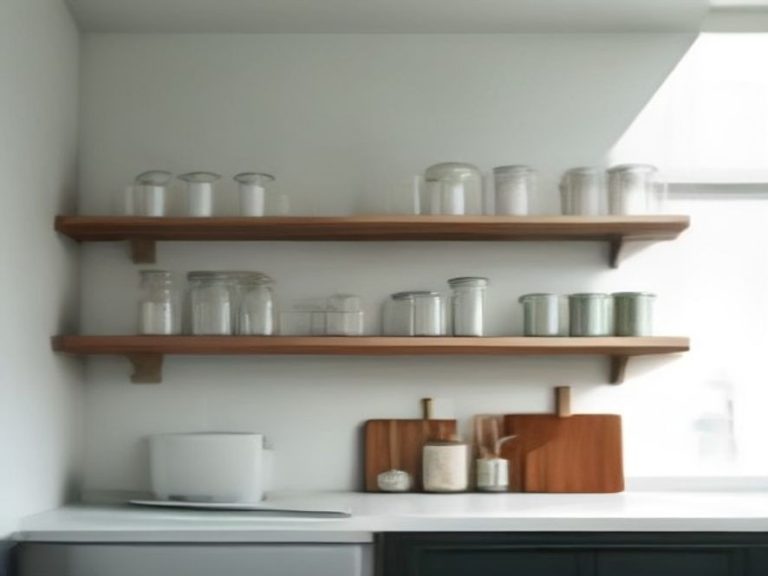
- Stackable Containers: Store dry goods, spices, and snacks in stackable clear containers so you can see what you have .
- Under-Shelf Baskets: These clip onto existing shelves to create a pull-out drawer for small items like tea bags, spices, or lids.
- Magazine Files: Use them upright to store foil, cling film, and baking paper .
- Magnetic Knife Strips: Free up drawer space by mounting knives on the wall or side of a cabinet.
Step 3: Use Hidden Space in Cabinets and Doors
Most kitchens have hidden space you’re not using.
- Inside Cabinet Doors: Install slim racks on the inside of cabinet doors for pot lids, spices, or foil .
- Under Sink: Use drawer organizers or small bins to contain cleaning supplies.
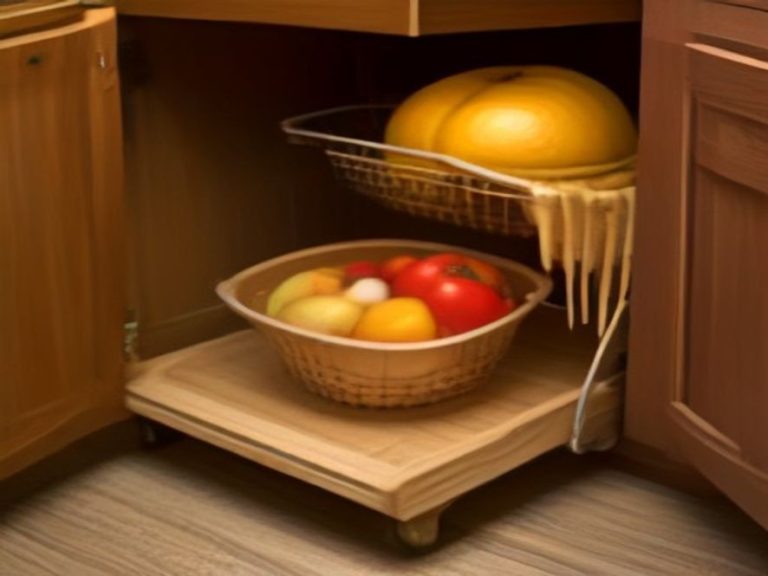
- Under the Sink: Pull-Out Shelves: These turn deep, dark corners into accessible storage .
- Over-the-Door Racks: Perfect for renters, these hold condiments, wraps, and snacks without crowding shelves .
Step 4: Create Zones and Maintain Them
Once everything has a home, keeping it organized is much easier.
- Create Zones: Group similar items together. A baking zone, a prep zone, a coffee zone .
- Label Zones: Use clear labels on bins and shelves so everyone in the household knows where things belong.
- Adopt the “One-In, One-Out” Rule: When something new comes in, decide what leaves. This keeps your storage from overfilling again .
Step 5: Schedule a Monthly Clean-Out
This is the habit that prevents relapse. Put a recurring calendar reminder for the first Saturday of every month.
- What to Do: Check expiration dates, consolidate duplicates, wipe down shelves, and straighten up .
- Time Needed: 15–20 minutes.
- Why It Works: Catching problems early prevents them from becoming overwhelming.
Quick Reference: Causes and Fixes
| Problem | Fix |
|---|---|
| Too many duplicates and rarely-used items | Do a ruthless declutter; donate or sell what you don’t use |
| Wasted vertical space | Add shelf risers, under-shelf baskets, and stackable containers |
| No zones or designated homes | Create zones (baking, prep, coffee) and label them |
| No regular clean-outs | Schedule a monthly 15–20 minute reset |
| Non-kitchen items in the kitchen | Move cleaning supplies and pet food to designated areas |
| Deep shelves hiding items | Install pull-out shelves or lazy Susans |
Frequently Asked Questions
Why does my small kitchen storage always feel full?
The main reasons are keeping too many duplicates and rarely-used items, not using vertical space, and lacking a consistent maintenance routine. A ruthless declutter is the most effective fix.
How do I know what to keep and what to toss?
A good rule of thumb: if you haven’t used it in a month, consider letting it go . Take a picture of the item and put it in a box. If you don’t need it within a month, donate it.
What are the best space-saving solutions for a small kitchen?
Shelf risers, stackable containers, under-shelf baskets, magazine files for foil and wraps, magnetic knife strips, and over-the-door racks are all excellent and affordable options .
How often should I clean out my kitchen cabinets?
Schedule a monthly 15–20 minute clean-out to check for expired items, consolidate duplicates, and straighten up. A quick 5-minute weekly reset keeps things from getting out of hand.
What is the one-in, one-out rule?
When you bring a new item into your kitchen, decide what leaves. This keeps your storage from overfilling again and forces you to be intentional about what you keep.
References
Smart Solutions for a Small Kitchen Storage Reset:
- AOL – The simple kitchen organization rules that make you use what you already have
- Homes and Gardens – Free Small Pantry Storage DIY
- Netmums – Tricks from Professional Organisers to Stop Wasting Kitchen Space
- DesignCafe – Clever Storage Ideas for Small Kitchens
If your small kitchen storage is always full, the problem isn’t your kitchen—it’s your habits and systems. By doing a ruthless declutter, using vertical space with shelf risers, and committing to a monthly clean-out, you can reclaim your space and break the cycle. Remember, the goal isn’t to store more—it’s to store smarter.
Which kitchen problem do you want solved next? Share your thoughts in the comments.