How to Store Pantry Food in a Small Kitchen Without a Pantry: Smart Storage Solutions
That moment you come home from the grocery store with a bag of flour and realize you have absolutely nowhere to put it.
Living without a designated pantry doesn’t mean you have to live with food stuffed into every available corner. Your small kitchen can handle your dry goods with a few clever strategies. The trick is to look beyond traditional storage and get creative with the space you already have.
TL;DR
- Repurpose Existing Furniture: China hutches, dressers, and even rolling carts can become your new pantry.
- Use Clear, Airtight Containers: Transfer dry goods from bulky packaging into stackable containers to save space and keep food fresh .
- Go Vertical: Use tiered shelves and stackable risers inside cabinets to double your storage capacity .
- Hack Your Cabinet Doors: Over-door organizers and mounted racks turn wasted space into valuable storage .
- Think Outside the Kitchen: Store overflow bulk items in closets, under beds, or even in repurposed seating .
Why Your Small Kitchen Feels Cramped
The main problem isn’t that you have too much food—it’s that you’re trying to store everything in traditional cabinets that weren’t designed for bulk food storage. Without a pantry, we tend to shove bags and boxes into whatever space we can find, creating a chaotic mess where items get lost and forgotten.
Another common issue is depth. Deep cabinets can lead to items getting lost at the back, making it difficult to keep track of what you have. Opting for smarter storage solutions helps with visibility and accessibility . A poorly organized kitchen can also disrupt your cooking flow, making it harder to move around with ease .
Smart Solutions: How to Create a Pantry Without a Pantry
Repurpose Furniture into a Pantry
One of the simplest solutions is to rethink existing furniture. A china hutch can hold more than just fancy dinnerware—it can become a beautiful, functional pantry . Consider downsizing your rarely-used dinnerware and using the hutch for dry goods and snacks. The same goes for old dressers. You can find an old dresser at a thrift store, line the drawers with food-safe material, and use each drawer for a different grain or baking staple . This works especially well for things like flour, sugar, and larger grains.
Clear, Airtight Containers Are Your Best Friend
Skip the bulky packaging and pour your dry goods into clear, stackable containers . This is one of the most effective ways to create a functional pantry in a small space. Clear containers let you see exactly what you have at a glance, preventing overbuying and reducing waste . Airtight seals keep food fresher for longer by preventing moisture and pests from getting in . Look for sets with various sizes so you can store everything from flour and sugar to snacks and spices.
*Tip: *You don’t need to spend a lot of money on new containers. Reuse glass jars from your groceries. By painting the lids a uniform color, you can make them look intentional and stylish for free .*
Maximize Vertical Space Inside Cabinets
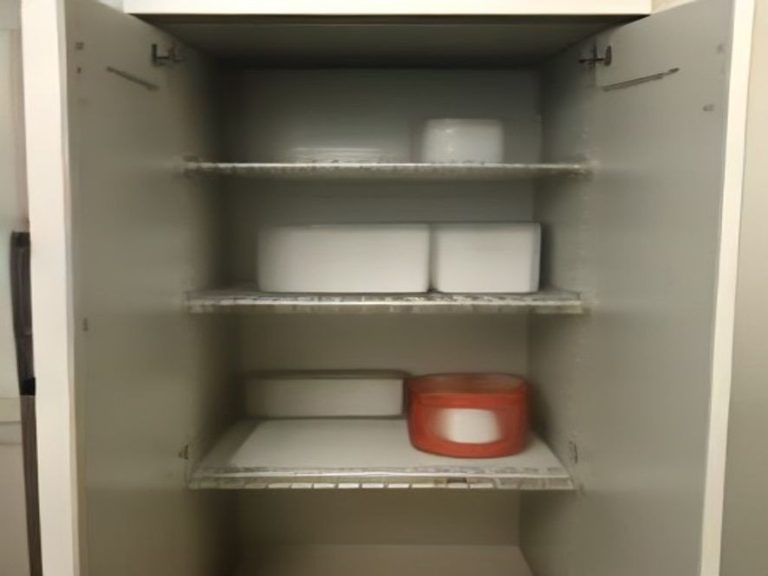
Even without a pantry, your existing cabinets have untapped potential. Use smaller shelves inside larger cabinets or on bigger shelves. Double-stack canned items using a wire shelf dispenser or get a tiered spice rack to corral your baking aids . Any way you can utilize your vertical space will allow you to store more dry goods. Clear plastic bins with handles are great for high shelves, as they allow you to see what’s inside without needing a step ladder .
Use a Kitchen Cart or Rolling Island
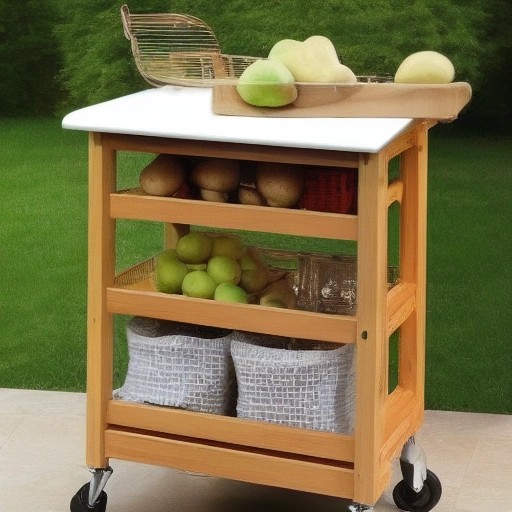
A kitchen cart is a flexible, renter-friendly solution. You can fill the top rack with frequently used spices and seasonings, and use the lower shelves for bulkier items like potatoes or onions. When dinner’s over, wheel the cart against a wall or in a corner to keep it out of the way . A rolling island with built-in shelves can also save square footage and add flexibility .
Pantry Storage Solutions Comparison
| Method | Best For | Effectiveness | Difficulty Level | Approx. Cost |
|---|---|---|---|---|
| Airtight Containers | Keeping dry goods fresh and visible | Very High | Very Easy | Low to High |
| Tiered Shelving/Risers | Maximizing vertical cabinet space | High | Very Easy | Low |
| Repurposed Furniture | Creating a dedicated pantry piece | High | Easy | Variable |
| Kitchen Cart | Flexible, movable storage | Medium-High | Very Easy | Low to Medium |
| Door-Mounted Organizers | Extra space for small items | High | Very Easy | Low |
Step-by-Step Guide: Build Your No-Pantry System
- Declutter and Edit Your Food: Empty your existing cabinets. Toss expired food and group what’s left by category. Consider paring down fancy dinnerware to free up a hutch or cabinet for food storage.
- Measure Your Spaces: Measure the inside of your cabinets and the width of any gaps or empty wall space. This ensures any organizers you buy will fit.
- Transfer to Clear Containers: Move dry goods like rice, flour, pasta, and beans into clear, airtight containers. Label each container with the contents and expiration date.
- Install Organizers: Add tiered risers to cabinets, install a pull-out shelf in a deep cabinet, or mount a spice rack on a cabinet door .
- Set Up a Bulk Storage Zone: Designate a section of a closet, the garage, or even under the bed for bulk extras like paper towels or unopened bags of rice . Use rolling bins on casters for easy access .
- Rotate Your Stock: Follow the “first in, first out” rule—place newer purchases behind older ones to prevent waste .
FAQ: Your No-Pantry Storage Questions, Answered
1. What’s the cheapest way to organize food without a pantry?
Reuse glass jars as storage containers and use dollar store bins inside cabinets to group similar items.
2. How do I store bulk items if I have no space?
Store bulk overflow outside the kitchen. Use under-bed bins with rolling carts, garage shelves, or a linen closet . Focus on shelf-stable staples you use regularly .
3. Is it okay to store food in a closet?
Yes, as long as the closet is cool, dry, and pest-free. Use airtight containers to protect the food.
4. What should I do with deep kitchen cabinets?
Install pull-out shelves so you can easily reach items at the back. Use drawer dividers to keep things organized .
5. What are good containers for storing dry goods?
OXO Good Grips POP containers are popular because they are stackable, airtight, and come in many sizes . Glass jars are also a great, sustainable option .
6. How do I keep track of what I have?
Use clear containers so you can see contents at a glance. Label everything and do a quick monthly check-in to reorganize and toss expired items .
Conclusion
Living without a pantry is not a storage death sentence. By thinking creatively about the furniture you already own, investing in smart containers, and maximizing the vertical space in your cabinets, you can create a highly functional storage system. The key is to make your food visible and accessible, so you know what you have and can use it before it goes bad. These practical solutions will transform your small kitchen from a cluttered mess into an organized cooking space.
*Remember: *A well-organized kitchen isn’t about how much space you have. It’s about how well you use the space you’ve got.*
Which kitchen storage problem do you want solved next? Share your thoughts in the comments.
More kitchen organization guides and expert tips: