How to Create a Pantry Zone in a Small Kitchen: Smart Solutions and Tips
That sinking feeling when you have a perfectly organized pantry in your dreams, but the reality is a cramped kitchen with food stuffed into every corner.
If you’ve ever thought a pantry was impossible in your small kitchen, think again. Even the tiniest kitchens can accommodate a well-planned pantry. The secret lies in smart planning, maximizing your available space, and choosing the right style of storage to suit your specific needs . The only real difference is that you’ll need to be more creative and make use of overlooked areas . And trust me, it’s worth it.
TL;DR
- A Pantry is Possible: Even the smallest kitchen can have a pantry with clever planning and creative use of space .
- Think Vertically: Use tall cabinets, wall-mounted shelves, and narrow pull-out units to maximize height .
- Use Dead Space: Corners, awkward alcoves, and gaps between appliances are perfect for slim pantry solutions .
- Door Storage: The inside of cabinet and pantry doors is prime real estate for spices, oils, and small items .
- Organize Smartly: Group items by use, use clear containers, and label everything to keep your pantry functional .
Key Takeaways
- Look for Unused Spaces: Scan your kitchen for forgotten spots like empty corners, the side of a fridge, or even a broom closet you can convert .
- Go for Slim and Tall: Pull-out pantry towers and tall cabinets can fit into narrow gaps and store a surprising amount .
- Shallow Shelves Win: Avoid deep shelves where items get lost. Shallow shelving keeps everything visible and accessible .
- Embrace the Door: Over-door racks and magnetic spice strips turn wasted door space into valuable storage .
- Clear is Key: Use clear, airtight containers to see what you have at a glance and keep food fresh .
What’s Holding You Back from a Small Kitchen Pantry?
The biggest obstacle is often our own assumption that we don’t have the space. We picture a walk-in pantry from a sprawling farmhouse kitchen. That dream is lovely, but in a small kitchen, we need to rethink what a pantry is .
Another common issue is poorly placed storage that blocks workflow. A pantry that disrupts your kitchen triangle or makes it hard to move around will quickly become more of a hassle than a help . That’s why careful positioning is essential. You also want to keep the pantry away from the busy cooking area so you don’t overcrowd that zone .
Smart Solutions: How to Fix Your Pantry Problem
Ready to turn your pantry dreams into reality? Here’s how to do it.
1. Find the Dead Space
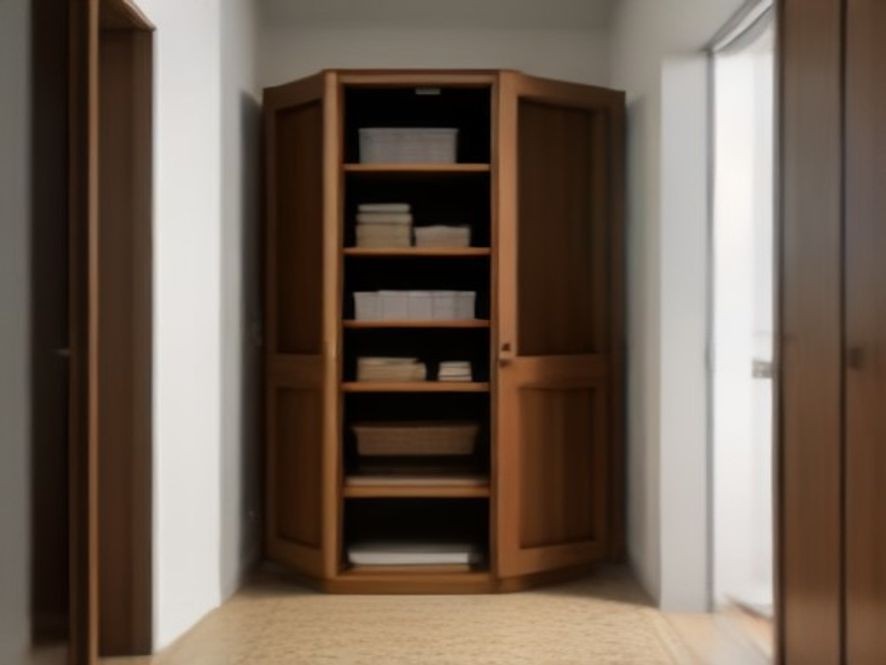
Start by looking at your kitchen with fresh eyes. Where are the gaps? That awkward 12-inch space beside the fridge or oven is a perfect spot for a tall, slim pantry cabinet. Empty corners that are hard to reach can become valuable storage with a corner carousel or Lazy Susan . An odd alcove or an underused broom cupboard can be transformed into a compact pantry zone .
One TikToker turned a 12-inch-wide section at the end of her kitchen cabinets into a beautiful built-in pantry for canned goods and dry goods . The point is to look for small nooks that you can put to work.
2. Install a Pull-Out Pantry Unit
A pull-out pantry tower is one of the most space-efficient solutions for a small kitchen . These units slide into narrow gaps and provide multiple tiers of storage that are fully accessible when you pull them out . No more rummaging in the back of a deep, dark cabinet.
They are brilliant for keeping spices, oils, and small jars visible. The challenge is that they need to be measured precisely so the slide mechanism works smoothly . But for many small kitchens, replacing a standard cabinet with a pull-out pantry can increase usable storage by up to 50% .
Tip: If you’re not ready for a full renovation, you can retrofit existing cabinets with pull-out shelves or baskets to achieve a similar result .
3. Convert a Cabinet into a Pantry
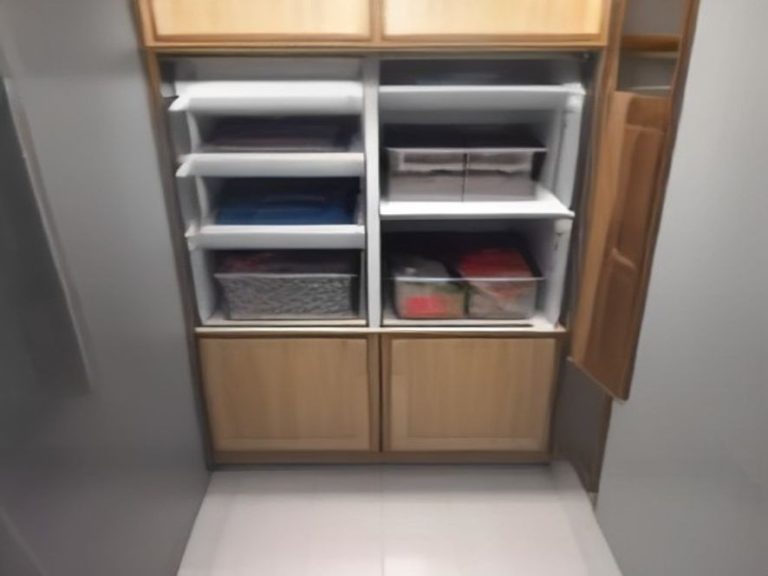
You don’t need a separate unit to have a pantry. Look at your existing kitchen cabinets. A tall, underused cabinet can become a dedicated pantry with a few smart upgrades .
- Declutter First: Empty the cabinet and get rid of anything you don’t need or haven’t used in a year .
- Add Adjustable Shelves: Adjustable shelving lets you reconfigure the space as your needs change .
- Install Pull-Out Baskets: Pull-out baskets or drawers prevent items from getting lost in the back .
- Use the Door: Fit a spice rack or small baskets to the inside of the door for extra storage .
- Go Vertical: Add tiered risers on shelves so you can see and reach the back row without digging .
4. Use the Walls and Doors
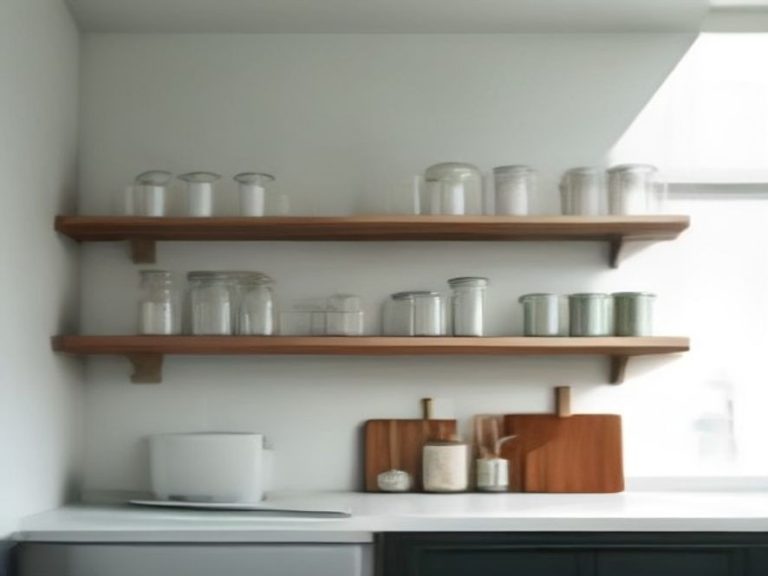
When floor space is limited, going vertical is the answer. Open shelves on a blank wall can hold frequently used ingredients, jars, and small appliances . Just remember to keep them tidy by using matching containers.
Don’t forget the back of your cabinets! The inside of the door is prime real estate. Magnetic strips or small racks mounted here are perfect for spices, foil, or cling film . In one project, using inside-door storage freed up two drawers’ worth of space .
Kitchen organization tip: Consider a rolling cart that tucks into a narrow gap. It’s a fantastic, movable pantry solution, especially for renters .
Small Kitchen Pantry Solutions Comparison
| Solution | Best For | Effectiveness | Difficulty Level | Approx. Cost |
|---|---|---|---|---|
| Pull-Out Tower | Narrow gaps beside appliances | Very High | Medium | Medium to High |
| Converted Cabinet | Existing tall cabinets | High | Easy to Medium | Low to Medium |
| Wall Shelving | Displaying jars and dry goods | Medium-High | Easy | Low |
| Corner Carousel | Awkward corner cabinets | High | Medium | Medium |
| Door-Mounted Rack | Extra spice & small item storage | High | Very Easy | Low |
Step-by-Step Guide: Build Your Pantry Zone
1. Declutter and Empty: Take everything out of the space you’re planning to use. Toss expired food and donate anything you won’t use. This is the fastest way to free up space .
2. Measure Twice: Before buying any organizers, measure the width, depth, and height of your space. Pay close attention to any pipes or obstacles .
3. Choose Your System: Based on your measurements and budget, pick one or two of the solutions above. A pull-out tower and a few clear containers are a great start.
4. Zone Your Pantry: Organize by activity. A shelf for breakfast items, a zone for baking, a spot for snacks, and a place for canned goods make it easy to find what you need .
5. Use Clear Containers and Labels: Transfer dry goods into clear, airtight containers. This makes everything visible, keeps food fresh, and creates a uniform look. Label everything so you (and everyone else) know exactly where things go .
6. Maintain It: Spend five minutes each day putting things back in their zone. Do a quick check once a month to toss anything expired and keep your system working .
FAQ: Your Small Kitchen Pantry Questions, Answered
1. Can I really have a pantry in a small kitchen?
Yes! The key is to be creative with your space and use smart storage solutions like vertical shelving, pull-out units, and door racks.
2. How narrow can a pantry cabinet be?
You can find or build pantry units as narrow as 6 to 12 inches, which are perfect for fitting into awkward gaps .
3. What’s the best way to store dry goods in a small pantry?
Use clear, airtight containers. They save space by standardizing shapes, keep food fresh, and make it easy to see what you have .
4. Are pull-out pantries worth the cost?
For tight spaces, yes. They maximize access and significantly reduce wasted space, making your pantry much more functional .
5. How do I keep my small pantry organized long-term?
Group items by use into clearly defined zones and label everything. A quick weekly tidy-up and a monthly check for expired items are all it takes .
6. Can renters add pantry storage without damaging walls?
Absolutely! Use freestanding shelves, rolling carts, over-the-door racks, and adhesive hooks to create a pantry without drilling holes .
Conclusion
Creating a pantry in a small kitchen is more than just a dream. It’s a highly achievable goal that comes down to smart planning and using every inch of space wisely. By thinking vertically, taking advantage of forgotten nooks, and choosing the right organizers, you can create a dedicated, functional pantry zone that will simplify your cooking routine and make your tiny kitchen feel much more spacious.
*Remember: *The best pantry is the one you can actually use daily. Prioritize accessibility and visibility over sheer size, and you’ll be amazed at how much you can fit into a small space.*
Which kitchen storage problem do you want solved next? Share your thoughts in the comments.
More kitchen organization guides and expert tips: