How to Organize a Messy Kitchen Quickly Using Kitchen Storage Solutions
You need to cook dinner, but you cannot find the salt, the cutting board is buried under mail, and last night’s dishes are still in the sink — and honestly, you feel stressed just looking at it.
TL;DR: A messy kitchen overwhelms you because there is no home for each item. The fastest fix is not to clean everything perfectly — it is to create zones, clear the counters, and use temporary bins. In 30 minutes, you can go from chaos to functional by sorting items into “keep,” “relocate,” and “trash,” wiping down surfaces, and setting up three basic storage solutions: a counter caddy for daily tools, cabinet risers for vertical space, and a rolling cart for overflow. Once the system is in place, a 5-minute daily reset keeps it organized forever.
🔵 Key Takeaways
- Clutter happens when items do not have a designated home — give everything a place.
- The fastest organization method is to clear all counters first, then work on cabinets.
- Temporary bins let you sort quickly without getting stuck on every small decision.
- Daily tools need to live within arm’s reach — everything else can be stored away.
- A 5-minute nightly reset prevents the messy kitchen from coming back.
The Real Causes of Kitchen Mess and How to Fix Them Fast
A messy kitchen is rarely about laziness. It is about systems that do not work. You put something down on the counter because you do not have a good place to put it away. You leave the mail on the kitchen table because there is no command center. You stack dishes next to the sink because the dishwasher is full.
The fix is not to become a tidier person. The fix is to set up kitchen storage solutions that make the right behavior the easy behavior.
Think about the last time your kitchen was clean. How long did it stay that way? If the answer is less than a day, you do not have an organization system — you have a cleaning habit. A system works even when you are tired.
Why “Clean” and “Organized” Are Not the Same Thing
A clean kitchen has no visible dirt. An organized kitchen has a home for every item. You can have a spotless kitchen that is completely disorganized — every surface is wiped down, but you still cannot find the colander. You can also have a cluttered kitchen that is well organized — there is stuff on the counters, but you know exactly where everything goes.
For a quick organization project, focus on homes for items, not perfect cleanliness. You can wipe down surfaces after you put things away.
“A messy kitchen is not a moral failure. It is a design problem. Change where things live, and suddenly keeping it tidy takes almost no effort.”
30-Minute Quick Organization Method
Set a timer for 30 minutes. Work fast. Do not get stuck on small decisions. The goal is functional, not perfect.
Step 1: Clear Every Counter (5 minutes)
Take everything off your counters. Everything. Coffee maker, toaster, knife block, fruit bowl, mail, keys, dishes, random receipts. Put it all on your kitchen table or dining table.
Do not clean the counters yet. Just move the stuff.
Look at your empty counters. See that space? That is what you are trying to protect. The goal is to put back only what you use daily. Everything else needs a home in a cabinet or drawer.
Step 2: Set Up Three Bins (5 minutes)
Get three bins, boxes, or laundry baskets. Label them:
- Keep in Kitchen (daily use items)
- Relocate (belongs somewhere else — living room, garage, office)
- Trash/Donate (broken, expired, or unused)
Work through the pile on your table. Pick up one item. Put it in a bin. Do not spend more than 5 seconds deciding. If you hesitate, put it in the Relocate bin and decide later.
Be honest about the Trash bin. That avocado that has been sitting for two weeks? Trash. That chipped mug you never use? Donate. That gadget you bought and used once? Relocate to a high shelf or donate.
Step 3: Wipe Down Surfaces (5 minutes)
Now that the counters are empty, wipe them down. Use a spray cleaner and a paper towel or microfiber cloth. Wipe your stovetop, backsplash, and sink too.
Open your refrigerator and quickly wipe any visible spills. Do not deep clean — just surface clean.
This step takes 5 minutes but makes the whole kitchen feel fresh. A clean surface is easier to keep organized than a dirty one.
Step 4: Create Zones for Daily Items (5 minutes)
Decide where daily-use items will live. The rule is: items you use daily go on the counter or in the most accessible cabinet. Items you use weekly go in easy-to-reach cabinets. Items you use monthly go on high or low shelves.
Put back only these items on your counters:
- Coffee maker or kettle (if used daily)
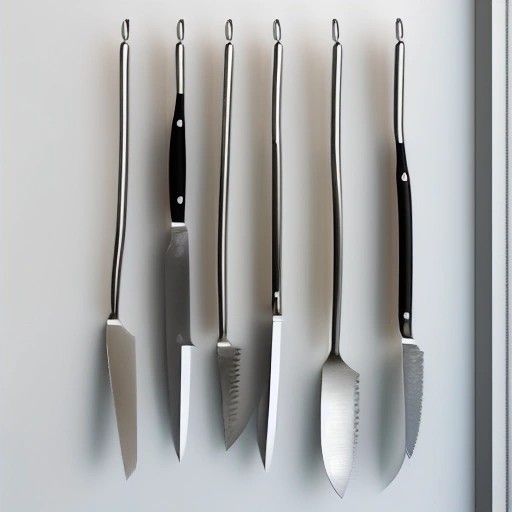
- Knife block or magnetic strip
- One small utensil crock for spatulas and spoons
- Fruit bowl (if you eat fruit daily)
- Dish soap and sponge by the sink
Everything else goes in a cabinet. A clean counter looks organized even if your cabinets are messy.
Step 5: Use Three Storage Solutions to Tame Cabinets (10 minutes)
You do not need to organize every cabinet today. Focus on the three cabinets you open most often.
Solution 1: Counter caddy or utensil holder. Put your most-used cooking tools — spatula, ladle, tongs, wooden spoon — in a crock or caddy next to the stove. This keeps them off the counter but within reach. Costs 5 to 15 dollars.
Solution 2: Shelf risers. Take your most crowded upper cabinet. Add one or two shelf risers. Put short items (spice jars, small cans) on the riser. Put tall items (oil bottles, cereal boxes) underneath. You just doubled your space in 2 minutes. Costs 8 to 15 dollars.
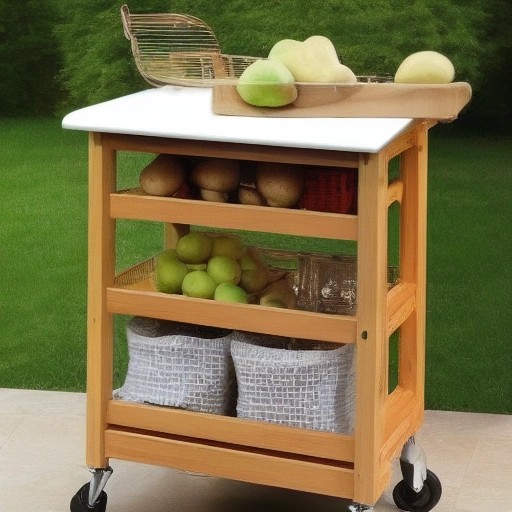
Solution 3: Rolling cart. If your kitchen is small, a rolling cart adds instant storage. Roll it against a wall. Store potatoes, onions, bulk snacks, or rarely used appliances on the shelves. Use the top as extra counter space when cooking. Costs 40 to 80 dollars.
These three solutions alone solve 80 percent of kitchen organization problems. Buy them or use what you already have — a cardboard box can act as a temporary bin.
Step 6: Do a 5-Minute Daily Reset (ongoing)
Every night after dinner, spend 5 minutes resetting your kitchen:
- Put away any items left on counters.
- Load the dishwasher or wash dishes.
- Wipe down the counter and stovetop.
- Take out the trash if it is full.
- Run the garbage disposal with cold water.
That is it. Five minutes. Your kitchen will be ready for the next day. You will wake up to a clean space instead of yesterday’s mess.
Set a timer. Do not let yourself clean for longer. The goal is maintenance, not perfection.
Comparison Table: Quick Organization Solutions
| Solution | Best For | Time to Implement | Cost | Mess Level Fixed |
|---|---|---|---|---|
| Clear counters | Visual clutter | 5 minutes | Free | High (80%) |
| Three-bin sort | Decision paralysis | 10 minutes | Free | Very High (90%) |
| Counter caddy | Daily utensils | 2 minutes | Low | Medium (40%) |
| Shelf risers | Crowded upper cabinets | 5 minutes | Low | High (70%) |
| Rolling cart | Small kitchens, overflow | 10 minutes (assembly) | Medium | High (75%) |
| Daily 5-minute reset | Long-term maintenance | 5 minutes/day | Free | Very High (keeps 90%) |
Where Kitchen Clutter Actually Comes From
How to Keep Your Kitchen Organized After the Quick Fix
The quick organization method gets you from chaos to functional in 30 minutes. These habits keep it that way.
Create a landing zone. Put a small tray or bowl on the counter for keys, wallets, and phones. When these items have a home, they do not spread across the whole kitchen.
Use the “one in, one out” rule. When you buy a new kitchen gadget, donate or toss an old one. Your cabinets have limited space. Do not let them overflow.
Store by frequency. Items you use daily should be easiest to reach. Items you use monthly can be on high shelves or in harder-to-reach spots.
Do not store what you do not use. That bread maker from 2018? That fondue set from your wedding? Donate them. They take up space and create guilt every time you see them.
Take 10 minutes every Sunday to reset the kitchen after the weekend. Wipe down appliances, put away any stray items, and take out recycling.
Storage Solutions for Specific Kitchen Messes
The Cluttered Counter
Problem: Everything lives on the counter because there is no cabinet space.
Fix: Add a rolling cart or a small shelving unit. Move less-used appliances off the counter. Store the toaster, blender, and stand mixer on the cart. Pull them out when needed. Roll the cart back when done.
The Junk Drawer
Problem: One drawer filled with batteries, tape, takeout menus, and random screws.
Fix: Empty the drawer completely. Add drawer dividers (use small cardboard boxes if you do not want to buy dividers). Sort items into categories: batteries, office supplies, tools, takeout menus (keep only current ones). Throw away anything broken or expired.
The Tupperware Avalanche
Problem: Every time you open the cabinet, plastic containers and lids fall out.
Fix: Store containers and lids separately. Put all containers in one bin, stacked neatly. Put all lids in a small file organizer or bin. Stand lids upright like files. Close the cabinet. No more avalanches.
The Spice Spill Zone
Problem: Spice jars are scattered across two shelves and a counter.
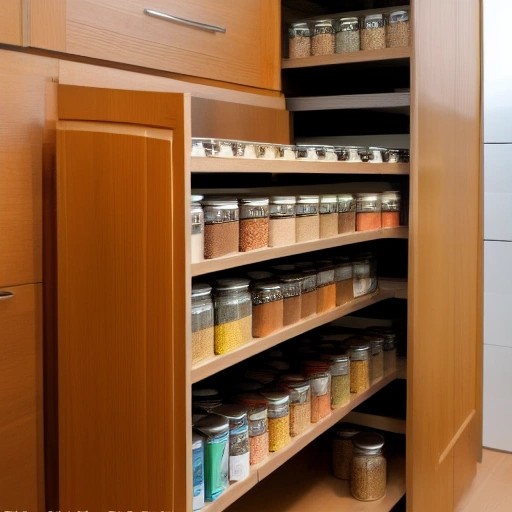
Fix: Buy a spice rack that mounts inside a cabinet door or sits on a shelf riser. Put all spices in alphabetical order. Throw away spices older than 2 years — they have lost their flavor anyway.
Renter-Friendly Organization Solutions
If you cannot drill holes or make permanent changes, use these no-damage options.
Tension rods. No screws. No adhesive. Hold cutting boards, baking sheets, or spray bottles. Stretch between cabinet walls or under the sink.
Command hooks. Hold up to 5 pounds. Use for oven mitts, measuring cups, or dish towels. Remove cleanly without damaging paint.
Over-the-cabinet racks. Hook over the top of lower cabinet doors. Hang dish towels or trash bags. No tools required.
Rolling cart. Requires no installation. Adds storage instantly. Rolls out of the way when not in use.
Adhesive shelf risers. Some risers come with adhesive feet. No drilling. Double your shelf space in 2 minutes.
Take photos before you install anything. When you move out, remove everything carefully and fill small holes with spackle.
FAQ: Quick Answers About Organizing a Messy Kitchen
How do I organize a messy kitchen in one day?
Use the 30-minute quick method above, then spend another hour organizing one cabinet at a time. Focus on the cabinets you use most. Do not try to do everything perfectly — done is better than perfect.
What is the fastest way to make a kitchen look organized?
Clear the counters. A kitchen with empty counters looks organized even if the cabinets are messy. Put everything that is not used daily into cabinets or bins.
How do I keep my kitchen organized with kids?
Create low shelves or bins for kid snacks and plates. Label them with pictures. Teach kids where things go. Accept that the kitchen will not be perfect until they are asleep.
What should I do with kitchen items I never use?
Donate them. If you have not used it in a year, you will not use it next year. Give it to a thrift store, a friend, or a shelter.
How do I organize a tiny kitchen with no pantry?
Use a rolling cart for dry food storage. Install a pegboard on a wall for pots and utensils. Use shelf risers in every cabinet. Store off-season items in a different room.
What is the 5-minute kitchen reset?
Every night, spend 5 minutes putting away items, loading the dishwasher, wiping counters, taking out trash, and running the disposal. Morning you will be grateful.
Do storage solutions really help, or are they just more stuff?
Good storage solutions — shelf risers, rolling carts, drawer dividers — solve the problem of having no home for items. Bad storage solutions (single-use gadgets, tiny organizers for everything) just add clutter. Buy only what solves a specific problem.
When to Accept That Your Kitchen Needs a Bigger Change
Sometimes organization is not enough. If you have decluttered, added risers, cleared counters, and done the 5-minute reset for a month, but your kitchen still feels impossible, consider these bigger changes.
Add open shelving. Remove upper cabinet doors or install floating shelves. Open shelving forces you to keep things tidy because everyone can see them. It also makes items easier to grab.
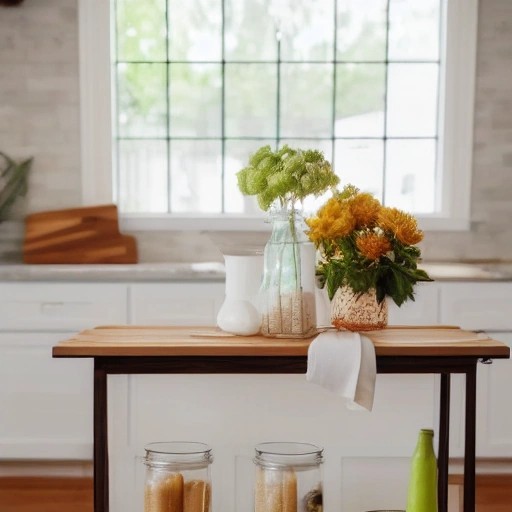
Install a kitchen island. A small rolling island or stationary island adds counter space and storage. Even a 24-inch wide island makes a difference.
Use wall space. Install a pegboard, magnetic strips, or wall-mounted rails. Move pots, knives, and utensils off the counters and onto the walls.
Reevaluate your layout. Sometimes the problem is not how much stuff you have — it is where things live. Move your coffee maker closer to the sink. Put your mixing bowls near the stove. Small changes in location make a big difference in daily flow.
Which kitchen problem do you want solved next? Share your thoughts in the comments.
References: