How to Fix a Cabinet of Chaos: The Best Way to Organize Food Containers and Lids
That moment when you open your cabinet and a plastic container rains down on your head, followed by a shower of mismatched lids, can make you question if takeout is just the better option.
We have all experienced this kitchen nightmare. You need a container for leftovers, but finding a matching lid feels like solving a puzzle with missing pieces. The container cabinet becomes a black hole where Tupperware goes to multiply and lids mysteriously vanish. This frustration wastes time and makes meal prep feel like a chore. The good news is that you can fix this problem with some simple strategies that work for any kitchen, whether you have a massive collection or just a few favorite containers.
TL;DR
This guide shows you how to organize food containers and lids by purging extras, choosing a storage system that fits your space, and keeping lids and containers together. You will learn to use drawer dividers, shelf risers, and clever DIY solutions like tension rods and file organizers. Most solutions cost under $25 and take less than an hour to set up. The goal is to end the lid-hunting frustration and make storing leftovers actually convenient.
Key Takeaways
- Purge ruthlessly first — get rid of damaged, mismatched, and duplicate containers
- Store lids separately but nearby using organizers that keep them upright
- Drawer dividers are your best friend for keeping containers in place
- Nest containers by size and type to maximize vertical space
- Use clear containers so you can see what you have without opening everything
- Store containers where you actually use them — near the fridge or prep area
The Real Causes Behind Container Cabinet Chaos and How to Fix It
Why Food Containers and Lids Become a Mess
The container cabinet is one of the most frustrating areas in any kitchen for good reasons. First, containers come in all shapes and sizes, making them hard to stack evenly. Second, lids are flat and slippery, so they slide around and get lost behind larger items. Third, we tend to accumulate way more containers than we actually need.
One expert notes that many people keep a crazy collection of mismatched containers because they feel guilty throwing away “perfectly good” storage items. But holding onto extras you never use just creates chaos in your cooking space.
Kitchen organization experts agree that the key to a peaceful container cabinet is ruthless purging followed by a system that keeps lids and containers paired together. This approach eliminates the time wasted hunting for matching pieces.
The Hidden Cost of Chaos
A chaotic container cabinet costs you more than just time and patience. When you cannot find matching lids, you end up wasting food because leftovers do not get stored properly. You also end up buying new containers when you already have perfectly good ones buried in the back. This is both a financial and a kitchen hygiene issue.
Step-by-Step Fix Guide for Organizing Food Containers and Lids
Step 1: Take Everything Out and Purge
Start by pulling every single container, lid, and storage item out of your cabinet. Place them on your counter or kitchen table where you can see everything clearly.
Sort each item into one of three piles:
- Keep: Containers with matching lids that are in good condition
- Donate: Good-quality containers you never use (someone else will love them)
- Recycle: Cracked, stained, or missing-lid containers that have seen better days
Be honest with yourself. If you have not used a particular container in six months, it is time to let it go. Do not keep lids that do not match any container. This is one of the most common mistakes people make.
Regular purging is essential because containers and lids quickly accumulate, especially as you buy new food storage sets or keep takeout containers.
Step 2: Choose Your Storage Method
Once you have paired down your collection, it is time to choose a storage system that works for your space. Here are the most effective options.
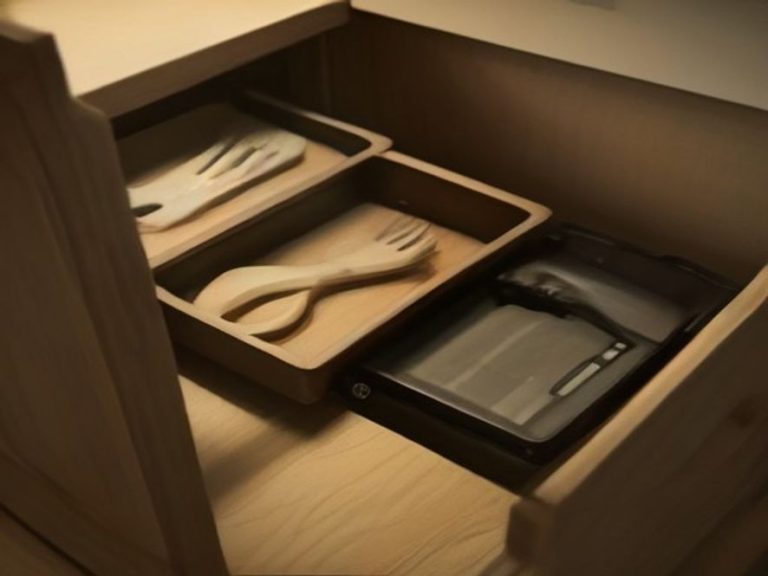
Option A: Drawer Dividers (Best for Deep Drawers)
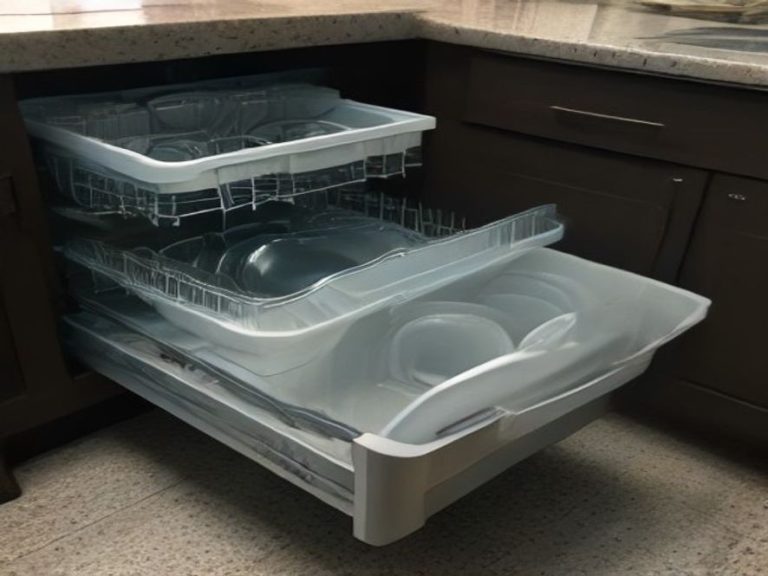
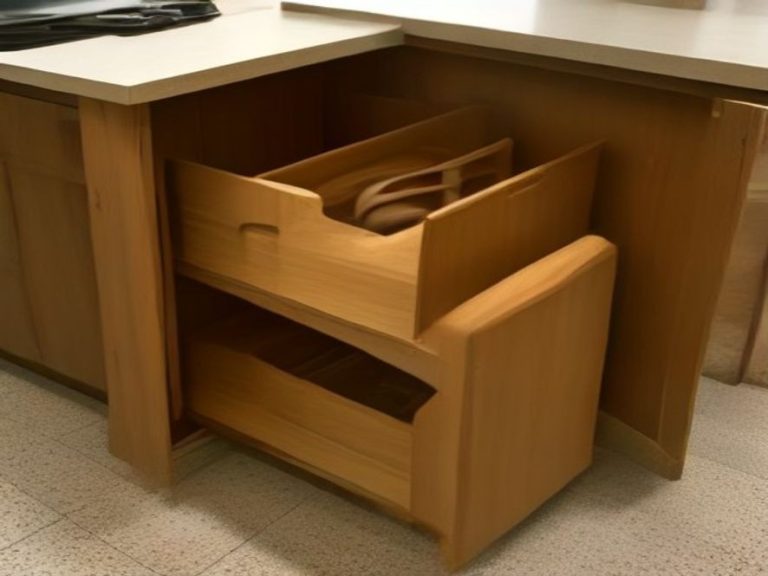
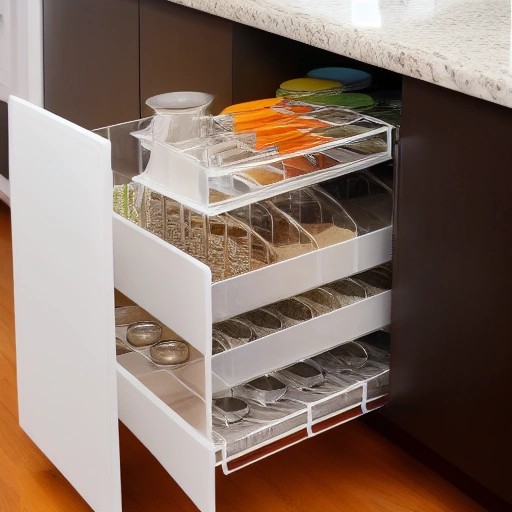
If you are lucky enough to have deep kitchen drawers, this is the gold standard for container storage. Use adjustable drawer dividers to create sections for different container sizes.
How to set this up:
- Measure your drawer width and depth
- Install adjustable dividers that expand to fit snugly
- Group containers by size in each section
- Stand lids upright in a separate section using a lid holder
This method works beautifully because you can see everything at once without digging through piles. It is like having a filing cabinet for your food storage.
Option B: Shelf Risers (Best for Standard Cabinets)
If you have standard cabinets with shelves, shelf risers are a game-changer. They create two levels of storage on one shelf.
How to set this up:
- Place a shelf riser on your cabinet shelf
- Store container bases on the bottom level (nested together)
- Store corresponding lids on the top level, standing up
- This creates vertical storage that keeps everything visible
This method works well in cabinets with 8 to 10 inches of height clearance. The riser should be sturdy enough to hold several lids without bending.
Option C: Tension Rods (Best for Shallow Cabinets)
For shallow cabinets, tension rods create instant, adjustable dividers. This is a budget-friendly solution that requires no drilling.
How to set this up:
- Install tension rods vertically inside the cabinet
- Space them a few inches apart to create slots
- Store lids upright in each slot
- Stack container bases in front of the rods
This method is particularly good for lid storage because the rods keep them upright and organized. You can grab one without disturbing the others.
Option D: Repurposed File Organizers (Best for Small Spaces)
Office supply stores hold a secret for kitchen organization. Desktop file organizers work brilliantly for storing containers and lids.
How to set this up:
- Place a file organizer on its side inside the cabinet
- Use the slots to hold lids upright
- Use another organizer for small containers
- Label each slot by size if you have a large collection
Step 3: Set Up a Matching System
One of the smartest hacks for container organization is to store lids separately but in a dedicated system where they are easy to pair with their container. Instead of stacking lids haphazardly on top of the container pile, give them their own space.
Ways to store lids effectively:
- Lid holders: Small racks designed specifically for lids, available in wire or plastic, stand lids upright.
- Tension rods: Placed vertically in a cabinet, they create rows for holding lids upright.
- Cutlery trays: Use a long tray in a drawer to organize lids by size.
- Bins or baskets: A shallow basket on a shelf can hold lids neatly.
Step 4: Store Everything Where You Use It
Think about where you actually use your containers. If you mostly use them for leftovers, keep them near the refrigerator. If you use them for meal prep, keep them near your prep area or stove.
Placement guidelines:
- Daily-use containers: Keep within arm’s reach of your primary prep area
- Lunch containers: Store together near where you pack lunches
- Large containers for bulk storage: These can go higher up since you use them less often
- Snack containers: Keep lower and accessible so kids can help themselves
Step 5: Maintain the System
Even the best organization system needs maintenance. Here are some tips to keep your container cabinet organized long-term:
- Make it a habit: When you empty a container, wash it and return it to its designated spot immediately.
- Do not skip the purge: Check your cabinet every few months and recycle any broken or worn-out pieces.
- One in, one out: When you buy a new container set, donate a similar number of older ones.
- Clean regularly: Wipe down the cabinet interior occasionally to prevent dust and crumbs from accumulating.
Comparison Table: Container Storage Methods
| Method | Best For | Effectiveness | Difficulty | Cost |
|---|---|---|---|---|
| Drawer Dividers | Deep drawers, large collections | Very High | Easy | $15-$40 |
| Shelf Risers | Standard cabinets with height | High | Very Easy | $10-$25 |
| Tension Rods | Shallow cabinets, budget options | Medium | Very Easy | $5-$15 |
| File Organizers | Small spaces, DIY solutions | High | Very Easy | $6-$20 |
| Lid Holders | Containing lid chaos | High | Very Easy | $10-$30 |
| Clear Storage Bins | Grouping by type | Medium | Very Easy | $5-$15 |
Smart Tips for Long-Term Success
Invest in modular storage sets. If your current collection is a mishmash of random containers and lids, consider buying a matching set. Brands like Snapware and OXO make containers with lids that all work together, which cuts down on the chaos.
Switch to glass containers if you can. Glass containers are more durable, do not stain or absorb odors, and are generally safer for reheating food. They also stack beautifully.
Use airtight containers for dry goods. This is a separate but related issue. Airtight containers for pasta, flour, and rice keep food fresh and organized. The Container Store has high-quality options that are worth the investment.
Stack with intention. If you stack containers on top of one another, place them with like-sized items together. Start with the largest container at the bottom and work up.
“Most kitchen problems come from small maintenance habits that are often ignored.”
Budget-Friendly DIY Solutions
You do not need to spend a fortune on fancy organizers. Here are some clever, low-cost alternatives:
- Magazine holders: Turn them sideways to hold lids upright. This is one of the best kitchen organization hacks out there.
- Aluminum foil boxes: Clean, empty boxes make perfect lid organizers.
- Cardboard dividers: Cut cardboard to fit your cabinet and create DIY slots.
- Pegboard: A small pegboard inside a cabinet door can hold lids using hooks.
FAQ
How do I keep my food containers organized?
Sort by size and shape, store lids upright with a dedicated organizer, and regularly purge items you do not use.
What is the best way to store lids and containers together?
The best method is to store them separately in an organized system. Use one section for container bases and another for lids.
How often should I organize my food storage containers?
A good rule of thumb is every six months or whenever the cabinet starts to feel chaotic again.
Should I throw away containers with missing lids?
Yes, if you have a lid that does not match any container, recycle or discard it. They just take up space.
How can I organize containers in a deep cabinet?
Use shelf risers, pull-out bins, or install a pull-out drawer system to maximize visibility and reachability.
How do I organize plastic containers without lids?
Sort through them and pair them with matching lids. If they do not have a lid, recycle them to save space.
Conclusion
Organizing your kitchen cabinet for food containers and lids is one of those projects that delivers instant satisfaction. The payoff is immediate: no more digging, no more frustration, and no more wondering if you have a lid to match your container.
The best way to organize starts with a honest purge. Then choose a system that fits your cabinet type and budget. Drawer dividers work wonders for deep drawers, while shelf risers and tension rods handle standard cabinets. Do not forget to store lids in a dedicated spot where they are visible and easy to grab.
Even small changes can make a big difference in how your kitchen functions. When you can grab the right container and its matching lid without a struggle, meal prep and leftovers become much less stressful.
Which kitchen problem do you want solved next? Share your thoughts in the comments.
Practical Kitchen Organization Resources and Guides: