How to Fix a Chaotic Cabinet: The Best Way to Organize Kitchen Cabinets for Pots and Pans
That frustrating moment when you reach for your favorite skillet and trigger an avalanche of clanging pots and sliding lids can turn any cooking session into an exercise in patience.
We have all been there. Opening a cabinet only to have a heavy cast iron pan tumble out or spending five minutes digging for the right pot lid is a daily frustration for many home cooks. But beyond the annoyance, stacking pans haphazardly can actually damage your cookware. Non-stick surfaces can scratch, and the constant clanging can warp lighter pans. The good news is that you can fix this problem and transform your cabinet into a calm, efficient space that makes cooking enjoyable again.
TL;DR
This guide shows you how to organize your kitchen cabinets for pots and pans by starting with a thorough declutter. You will learn practical solutions like going vertical with adjustable racks, nesting pots smartly to save space, and finally taming that chaotic lid situation. The guide covers simple, budget-friendly tips and more permanent upgrades like pull-out shelves, all designed to fit your cooking style and cabinet space.
Key Takeaways
- Declutter first: The most important step is to pull everything out and honestly assess what you actually need and use. Let go of damaged or duplicate items.
- Go vertical: Storing pots, pans, and lids vertically (using racks or dividers) is a top trick for preventing damage and making them easy to grab.
- Smart stacking works: If you must stack, nest similar-sized pans together and protect non-stick surfaces with a paper towel or felt pad.
- Lids need their own system: Separate lids from pots using a rack or file holder to avoid chaos and save space.
- Create zones: Store items close to where you use them. Pans near the stove and heavy items in lower cabinets make cooking safer and more efficient.
The Real Causes Behind Cookware Clutter and How to Fix It
The struggle to keep pots and pans organized usually comes down to a few common issues. First, cookware is bulky and awkwardly shaped, making it hard to store neatly in standard cabinets. Second, lids are notorious for being difficult to stack, leading to a cluttered mess. Third, many of us keep too many duplicate or seldom-used items, taking up valuable real estate.
The solution is not just about buying fancy organizers, but about adopting a smarter strategy. It starts with a good declutter and ends with a system that matches how you cook.
Step-by-Step Fix Guide for Organizing Your Pots and Pans
Step 1: The Great Declutter
Before you even think about buying organizers, you need to start fresh. Take every single pot, pan, and lid out of your cabinets and lay them out where you can see them. This is the time to be honest with yourself. Ask these questions:
- Do I use this regularly? If you haven’t used it in a year, it is probably time to part with it.
- Is it in good condition? Scratched non-stick surfaces, warped bottoms, or loose handles make cookware unsafe and inefficient. Say goodbye to them.
- Do I have duplicates? Do you really need three identical saucepans? Keep your favorite and let the others go.
Purging these items instantly frees up space and makes every subsequent step easier. This is the bedrock of any good kitchen organization system.
Step 2: Choose Your Storage Method
Now that you have a pared-down collection, it is time to put things back in a way that works. Here are some of the most effective methods.
Go Vertical with Organizer Racks
One of the best ways to organize pots and pans is to store them vertically, like files in a cabinet. This prevents them from being stacked on top of each other, which can cause scratches and make it difficult to grab the one you need.
- Adjustable Cabinet Racks: These are a great investment. They sit inside your cabinet and create vertical slots for your pans. You can find expandable versions that fit a variety of cabinet sizes. User reviews for these types of products often highlight how sturdy they are, even for heavy cast iron pans.
- Wall or Ceiling Mounts: If you have the space and the inclination, hanging your cookware can be a stylish and functional solution, freeing up cabinet space entirely.
The Smart Way to Stack
If a vertical rack is not an option, stacking can still work, but it needs to be done with intention. Instead of piling pans on top of each other, try nesting them. This means placing smaller pots inside larger ones of a similar type.
- Group by Type: Keep saucepans together, skillets together, and so on. Place the largest pot on the bottom and work your way up to the smallest.
- Protect the Surfaces: This is critical for non-stick pans. When nesting them, place a paper towel or a felt pan protector between each one to prevent scratches and damage.
Step 3: Find a Solution for Lids
Lids are often the biggest culprits when it comes to cabinet chaos. They slide around and make it difficult to access the pots underneath.
- Lid Racks: You can buy dedicated lid racks that attach to the inside of a cabinet door or sit on a shelf. These hold lids upright in slots, keeping them organized and easy to grab.
- Repurpose an Organizer: A simple file holder or even a magazine rack can be placed in a cabinet to hold lids vertically.
- Tension Rods: A low-cost and simple trick is to install a tension rod vertically inside the cabinet to create a slot for your lids.
Step 4: Create Your Kitchen Zones
A well-organized kitchen is one where everything has a home based on where you use it. This is a key principle of kitchen organization.
- Heavy Items (Pots, Dutch Ovens): These should live in lower cabinets to avoid the safety risk of lifting heavy items over your head.
- Pans (Frying Pans, Skillets): If possible, store them in a drawer or cabinet that is closest to your stove for easy access while cooking.
- Rarely Used Items (Specialty Pans): Move items you only use during the holidays (like a turkey roaster) to a high, less accessible shelf or even a separate storage area.
Comparison Table: Cookware Storage Methods
| Method | Best For | Effectiveness | Difficulty | Cost |
|---|---|---|---|---|
| Vertical Adjustable Racks | Frying pans, skillets, baking sheets | Very High | Easy | $15-$50 |
| Nesting with Protectors | Sauce pots, mixing bowls | High (Space-Saving) | Very Easy | Low (cost of protectors) |
| Lid Organizers (Rack/File) | Lids of all sizes | Very High | Easy | $10-$30 |
| Pull-Out Drawers | Deep lower cabinets | Very High | Medium | $30-$80 |
| Pot Racks (Wall/Ceiling) | Displaying frequently used cookware | High | Medium (Installation) | $30-$100+ |
Smart Tips for Long-Term Success
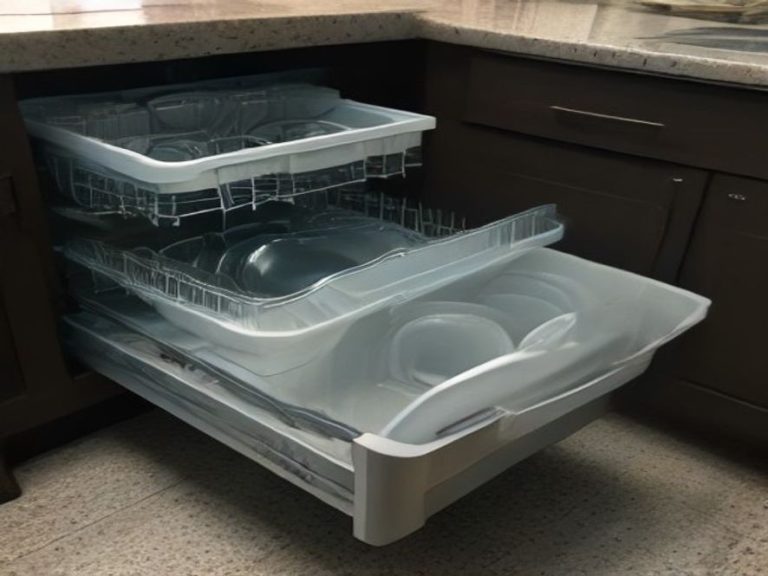
- Consider a Pull-Out Organizer: If you have deep lower cabinets, a pull-out shelf is a game-changer. It allows you to see everything at a glance and easily reach the items at the back.
- Don’t Overstack: Avoid filling your cabinet so full that items are hard to put back. This will quickly lead to chaos. Always leave a little room.
- A Simple Weekly Reset: Every week, take a minute to check your cabinet. Return misplaced items to their designated zones to ensure the system doesn’t fall apart.
“Most kitchen problems come from small maintenance habits that are often ignored.”
FAQ
Why do my pots and pans keep falling over in the cabinet?
They lack vertical support or are stacked too high. Use a vertical rack or nest them better.
How should I store pot lids to avoid a mess?
Store them separately from the pots. Use a lid rack, a file holder, or a tension rod to keep them upright.
What is the best way to store non-stick pans?
Store them vertically to prevent contact. If you must stack them, place a soft cloth or felt protector between each pan to prevent scratches.
Should I store my cast iron pans differently?
Cast iron is heavy. Keep it in a lower cabinet and ensure any rack you use is sturdy enough to support its weight.
Is it bad to stack pots and pans?
Yes, it can scratch surfaces and warp the pans. If you must stack, nest them by size and protect surfaces with liners.
Conclusion
Organizing your kitchen cabinets for pots and pans does not need to be a daunting task. By starting with a decisive declutter, adopting smart solutions like vertical storage or careful nesting, and keeping your items in zones based on where you cook, you can create a system that saves you time and frustration. The key is to create a system that works for you and is easy to maintain. A calm, organized cabinet makes cooking a much more pleasant experience.
Which kitchen problem do you want solved next? Share your thoughts in the comments.
Practical Kitchen Organization Resources and Guides: