How to Create Extra Space When Kitchen Cabinet Space Is Not Enough: 10 Smart Solutions
You’ve crammed another pot into an already overflowing cabinet, and the door barely closes—it’s a familiar struggle when your kitchen storage just can’t keep up with your cooking life.
The good news is that you don’t need a full renovation to create more space. With a few clever strategies, you can unlock hidden storage in places you never thought to look.
TL;DR
Creating extra cabinet space starts with decluttering ruthlessly—edit down to what you truly use . Then use vertical space with stackable shelves and tall pull-out pantries . Install inside-door organizers for cutting boards and spices . Add slide-out drawers in lower cabinets to access deep spaces easily . Use magnetic and hanging racks to store frequently used tools inside cabinet doors . Finally, relocate bulky appliances you don’t use daily to free up precious cabinet room .
Key Takeaways
- Take everything out and edit before buying any organizers—you’ll be surprised how much you don’t use .
- Vertical storage is your best friend—use tall cabinets, shelf risers, and stacked shelves to utilize height .
- Dead spaces like corners, under sinks, and toe-kick areas can become valuable storage with the right solutions .
- Inside cabinet doors are prime real estate for slim racks and hooks .
- Slide-out shelves and drawer organizers make deep cabinets accessible and easy to use .
The Real Problem: Why Cabinets Feel Full Even When They Aren’t
Most kitchen cabinets waste vertical space. A typical base cabinet might be 24 inches tall inside, yet we only use the bottom 10–12 inches . The rest is empty air. Combine that with disorganized deep corners, duplicate items you don’t use, and awkward spaces around appliances, and suddenly your kitchen feels half its actual size.
The solution isn’t more cabinets—it’s using the ones you have more efficiently.
10 Proven Ways to Create Extra Cabinet Space
1. Start with a Ruthless Declutter
Before adding a single organizer, take everything out of your cabinets and drawers . Professional organizers recommend asking yourself: “Do I use this at least once a month?” If not, let it go .
What to purge: Duplicate tools, unitaskers (gadgets that only do one thing), and appliances you haven’t touched in a year. A 10-piece baking set isn’t necessary if you rarely bake . For dishes, Marie Kondo’s advice applies—keep only what you truly love and use.
2. Maximize Vertical Space
The most underutilized area in any kitchen is the space between shelves. Shelf risers, tiered racks, and plate organizers turn one flat shelf into two or three usable layers .
How to do it:
- Install stackable shelf risers inside upper cabinets for mugs, bowls, and cans.
- Use tiered spice racks to see all your spices at a glance.
- Add plate racks to store dishes vertically, saving half the shelf space.
If your cabinets stop short of the ceiling, add a shelf or decorative baskets on top for rarely used items . Just keep a sturdy step stool handy!
3. Install Slide-Out Shelves and Drawers
Deep lower cabinets are notorious for swallowing items whole. Full-extension pull-out shelves bring everything to you, making deep storage accessible and usable .
- In base cabinets: Replace fixed shelves with sliding racks. You’ll gain easier access to pots, pans, and canned goods .
- In pantries: Multi-tiered pull-out shelves stop you from digging to the back .
- Under the sink: Add slide-out drawers with cutouts for pipes to keep cleaning supplies organized .
“What little space you lose, you will more than make up for in function and utility—and your back will thank you,” says professional organizer Lenora O’Keith .
4. Use Inside-Cabinet Door Organizers
The inside of cabinet doors is often overlooked. Slim racks, hooks, and shallow baskets mounted on doors can hold cutting boards, wraps, utensils, and spices .
Popular options:
- Spice racks mounted inside upper cabinet doors keep spices visible and accessible.
- Lid organizers on pantry doors store pot lids upright.
- Hooks inside lower cabinet doors hold measuring spoons or dish towels.
This is the cheapest and easiest space-saving upgrade you can make, and most options are renter-friendly .
5. Add a Slim Pull-Out Pantry
Narrow gaps next to your refrigerator or oven are perfect for tall, slim pull-out cabinets . These units—available in widths starting at just 150mm (about 6 inches)—turn unused gaps into organized storage for spices, oils, mugs, and cleaning supplies .
A well-designed pull-out pantry can dramatically improve kitchen organization without increasing your floor footprint .
6. Conquer Corner Cabinet “Dead Zones”
Corner spaces are notoriously wasted, but modern hardware solutions can transform them into some of the most functional areas in your kitchen .
Best solutions:
- Lazy Susan (carousel) systems use rotating shelves to make items accessible .
- LeMans units have a swing-out mechanism that brings shelves fully into view, giving you up to 70% more usable storage area .
- Corner drawer systems convert awkward corners into horizontal, easy-access drawers .
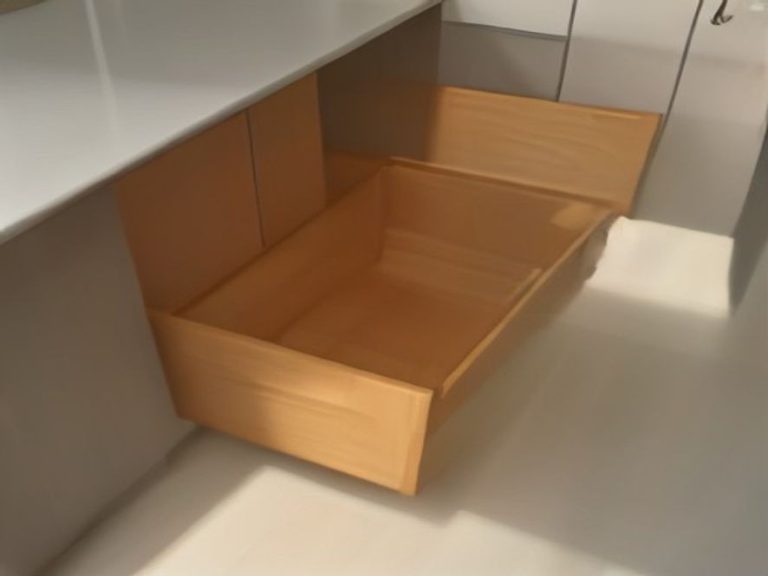
7. Install Toe-Kick Drawers
The little strip at the bottom of your cabinets—the toe-kick—is prime real estate . Toe-kick drawers can be retrofitted to store flat items like baking trays, cutting boards, or seasonal cookware .
This requires a professional carpenter for installation, but it’s a game-changer in compact kitchens .
8. Add Pull-Down Racks for High Upper Cabinets
Those hard-to-reach upper cabinets? Pull-down racks bring items to eye level with a gentle pull . These are perfect for storing snacks, breakfast items, or lightweight pantry goods .
Just remember: heavier items should stay in lower cabinets for safety .
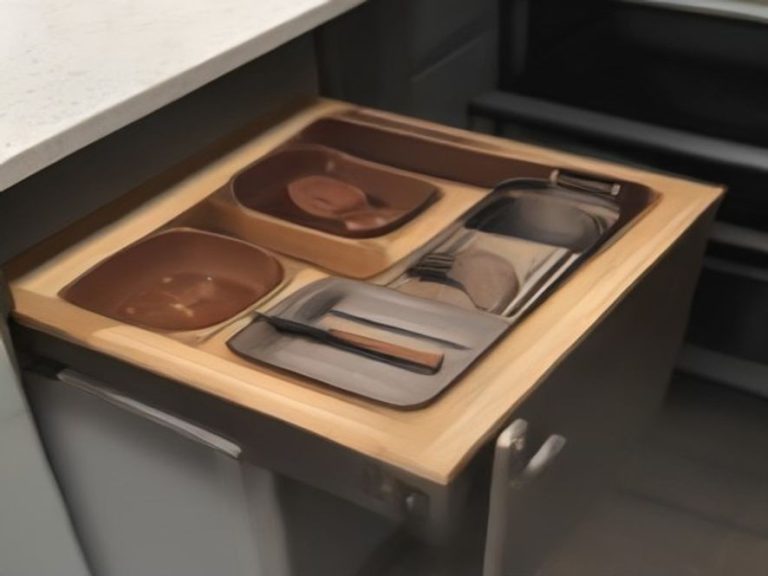
9. Use Drawer Organizers for Pots, Pans, and Lids
Drawers with dividers transform chaotic lower cabinets into organized zones .
How to organize:
- Deep drawers with adjustable dividers for pots, pans, and Tupperware .
- Lid organizers to store pot lids vertically and prevent the dreaded container-lid avalanche .
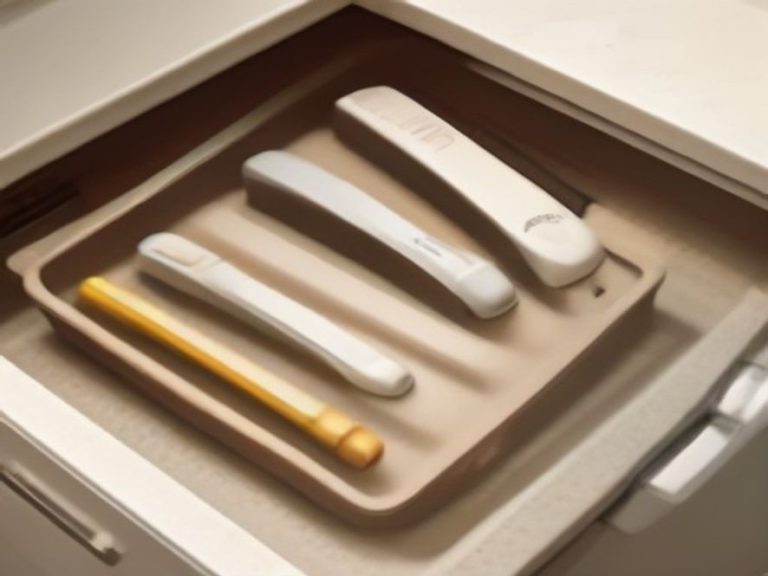
- Cutlery inserts to keep forks, spoons, and knives neatly separated.
Professional organizers recommend storing lids separately from containers using dividers or simple stacking .
10. Hide Small Appliances with “Appliance Garages”
Battling for counter and cabinet space with appliances you use daily is tricky . Appliance garages—cabinets with roll-up or lift-up doors—hide your toaster, coffee maker, or blender while keeping them quick to access .
The rule: If you don’t use an appliance at least 3–4 times a week, put it away in a labeled bin .
Comparison Table: Space-Saving Solutions at a Glance
| Solution | Best For | Difficulty | Cost | Space Gained |
|---|---|---|---|---|
| Slim pull-out pantry | Narrow gaps, spices, oils | Moderate | Medium | High |
| Corner carousel/LeMans | Dead corners, pots, pantry items | Moderate | Medium-High | Up to 70% more corner storage |
| Inside-door organizers | Spices, wraps, lids | Easy | Low | High |
| Slide-out shelves | Deep lower cabinets, canned goods | Moderate | Medium | High |
| Toe-kick drawers | Flat items, baking trays | Difficult | High | Low-Medium |
| Pull-down racks | High upper cabinets, lightweight items | Moderate | Medium-High | Medium |
| Drawer organizers | Pots, pans, utensils | Easy | Low-Medium | High |
| Shelf risers | Upper cabinets, mugs, bowls | Very Easy | Low | Medium |
Step-by-Step Action Plan
- Take everything out of your cabinets and drawers. Sort into: keep, donate, recycle, trash .
- Purge duplicates and unitaskers. Keep only what you use monthly .
- Measure your cabinets—know the width, depth, and height before buying organizers .
- Prioritize high-impact solutions like slide-out shelves and inside-door organizers first .
- Install vertical solutions—shelf risers and stackable organizers .
- Tackle dead zones—corners, under-sink, and toe-kick areas .
- Maintain the system by doing a quarterly purge and checking that organizers stay functional .
Prevention Tips
“Most kitchen problems come from small maintenance habits that are often ignored.”
- Avoid duplicate purchases—take inventory before shopping .
- Store items by frequency of use—everyday items in accessible areas, rarely used items up high .
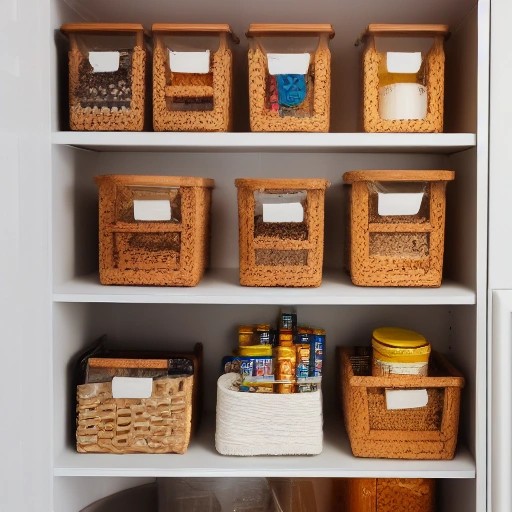
- Label shelves and containers to help everyone put items back in the right place .
- Do a quarterly edit to prevent accumulation of unnecessary items .
- Use labels to categorize each shelf—it helps others maintain the system too .
FAQ
Q: How can I make my kitchen cabinets feel bigger without replacing them?
A: Add shelf risers to use vertical space, install slide-out shelves for deep cabinets, and use inside-door organizers for spices and utensils .
Q: What’s the cheapest way to add kitchen storage?
A: Inside-door organizers and shelf risers are low-cost and highly effective . You can also install hooks under shelves for hanging mugs.
Q: Are corner lazy Susans worth the cost?
A: Yes—they can make dead corner space much more accessible. Some systems (like LeMans units) offer up to 70% more usable storage .
Q: How do I organize deep lower cabinets?
A: Install pull-out shelves so items slide out to you. Use drawer dividers to keep pots, pans, and lids organized without stacking .
Q: What should I do with small appliances I don’t use daily?
A: Store them in a labeled bin or an “appliance garage” cabinet. Only keep daily-use appliances on the counter .
Q: Can I add toe-kick drawers to existing cabinets?
A: Yes, but you’ll likely need a professional carpenter to ensure smooth operation .
Q: How much storage can I gain with organizers?
A: Accessories can increase usable storage by 30–50% without a renovation .
Q: What’s the first step in organizing a small kitchen?
A: Do a ruthless declutter before buying any organizers—you’ll avoid purchasing unnecessary items .
Which kitchen problem do you want solved next? Share your thoughts in the comments.
Practical Kitchen Storage and Organization Guide – Trusted Sources: