
How to Stop Kitchen Cabinets From Becoming Cluttered: Smart Solutions That Actually Work
You open your cabinet door, and a pile of mismatched containers, crumpled bags, and forgotten gadgets greets you like an avalanche waiting to happen—suddenly, making dinner feels like a chore before you’ve even started.
This frustrating scene plays out in kitchens everywhere. You organize everything perfectly, only to find chaos creeping back in within a few weeks. The good news? Stopping clutter from taking over your cabinets isn’t about perfection—it’s about building smarter habits that keep things tidy for good.
TL;DR
To stop kitchen cabinets from becoming cluttered, start by pulling everything out and decluttering ruthlessly—get rid of duplicates, damaged items, and things you haven’t used. Create zones based on how you actually cook and organize by your daily routine, not by what looks pretty. Use smart storage solutions like risers, turntables, and baskets, but never buy organizers before decluttering first. Finally, adopt the “20% empty space rule” and do quick touch-ups regularly to maintain the system long-term.
Key Takeaways
- Declutter first, organize second—never buy bins before purging
- Create functional zones based on your cooking habits, not aesthetics
- Keep 20% of cabinet space empty to prevent overflow
- Label everything to help everyone maintain the system
- Do weekly touch-ups to stop clutter from rebuilding
Understanding Why Cabinets Get Cluttered
Clutter doesn’t appear overnight. It creeps in slowly—one extra mug, a freebie gadget you never use, or an opened bag of chips pushed to the back. Before you know it, your cabinets are bursting at the seams.
According to professional organizers, there are three major mistakes people make that doom their cabinets to clutter: ignoring logical groupings, diving straight into organizing without decluttering first, and organizing for aesthetics instead of function .
“Organization without decluttering first is just neatly arranged chaos,” explains professional organizer Lana Lorena . You can buy all the pretty bins and baskets you want, but if you still have too much stuff, the clutter will return.
The Real Causes Behind Cluttered Cabinets
Why Your System Keeps Failing
Most organizational systems fail because they don’t match how you actually live. You might group things by category, but if your daily coffee mug is stored far from the machine, you’ll start leaving it out, and clutter builds from there.
The key issue? “People get so excited to purchase organizing supplies, bins, and tubs,” says Cathy Orr, cofounder of The Uncluttered Life. “If they do that before decluttering, they spend more time, money, and energy than they need to” .
Another common trap is organizing for how a cabinet looks rather than how it works. “Real life means putting the most important things at the front of the cabinet instead of making everything look perfect but unusable,” Cathy adds .
The 50% Decluttering Rule
If you’re feeling overwhelmed, try the 50% decluttering rule. Simply aim to cut the items in a cabinet by half. “It’s a quick way to clear out clutter, make a big difference you can see right away, and still keep what you need,” says Sofia Martinez, founder of Sparkly Maid Austin .
This method forces you to make tough decisions without overthinking every single item. You can apply it to any cabinet that feels out of control.
Step-by-Step Guide: How to Stop Clutter for Good
Step 1: Empty Everything—Yes, Everything
You can’t organize what you can’t see. Empty every single cabinet completely. Spread everything out on your counter or table so you can take a proper inventory .
This step also gives you a chance to clean. “Organizing your space is also an opportunity to clean your space,” says professional organizer Ashley Hines. “Take everything out and wipe down those cabinets!”
Step 2: Declutter Ruthlessly
Now comes the hard part. Go through every item and be honest:
- Check for damage: Toss chipped dishes, scratched nonstick pans, and cracked storage containers. Damaged items aren’t just ugly—they can harbor bacteria or release chemicals into your food .
- Eliminate duplicates: Do you really need three rolling pins or ten spatulas?
- Let go of “just in case” items: If you haven’t used it in a year, donate it .
- Get rid of mismatched storage containers: Keep only lids that have matching bases .
- Toss expired food: Check those condiment packets, spices, and opened snacks .
“Your first priority for improving your kitchen’s functionality should be to really think through which cabinets are your prime real estate,” says Melissa Hagmeyer, cofounder of Neat Method .
Step 3: Define Your Zones
This is where the magic happens. Instead of just putting things back wherever they fit, organize based on how you actually cook and move through your kitchen.
Create zones by activity :
- Coffee/tea zone: Store mugs, coffee, sugar, and your machine in one area
- Baking zone: Keep measuring cups, mixing bowls, and baking pans together
- Cooking zone: Store pots, pans, and utensils near the stove
- Prep zone: Place cutting boards and knives near your main prep area
“Set up various zones in your kitchen where you actually use the items,” says organizing expert Laura Wittmann. “If you make a protein smoothie every day, grab a basket and keep all your proteins and other add-ins together” .
Step 4: Put Things Back Smartly
Start with the 20% rule: Leave about 20% of your cabinet space empty. “Cabinets need to breathe, be easy to reach into, and not spill over if one thing is moved,” advises Cathy Orr .
Store by frequency: Everyday items should go in the most accessible spots. Things you rarely use—fancy china, holiday-specific bakeware—can go on higher shelves or out-of-the-way cabinets .
Think about flow: “Pay attention to your zones, such as the oven, food prep area, and sink area, and try to keep all your essentials within one to two steps of that area,” says Jen Van Buskirk from The Neat Boutique .
Step 5: Add Smart Storage Solutions
Now that you know what you’re keeping, buy organizers that fit your needs—not the other way around .
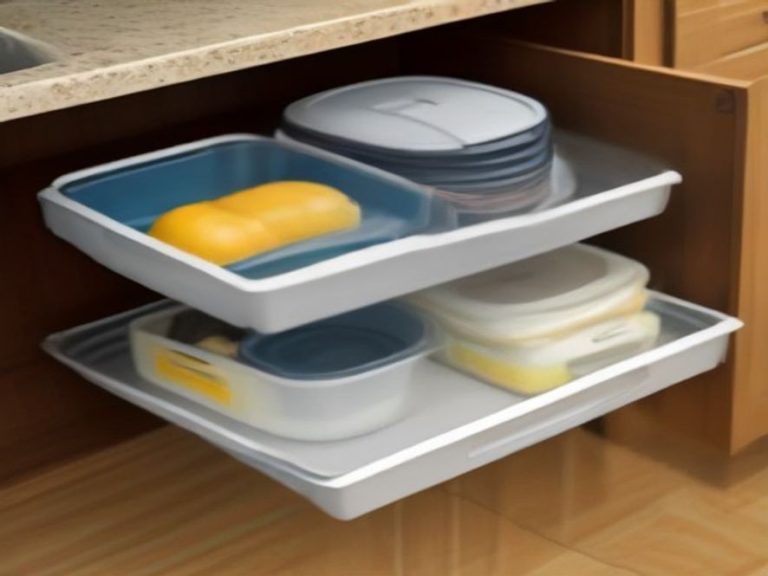
Essential organizers that work :
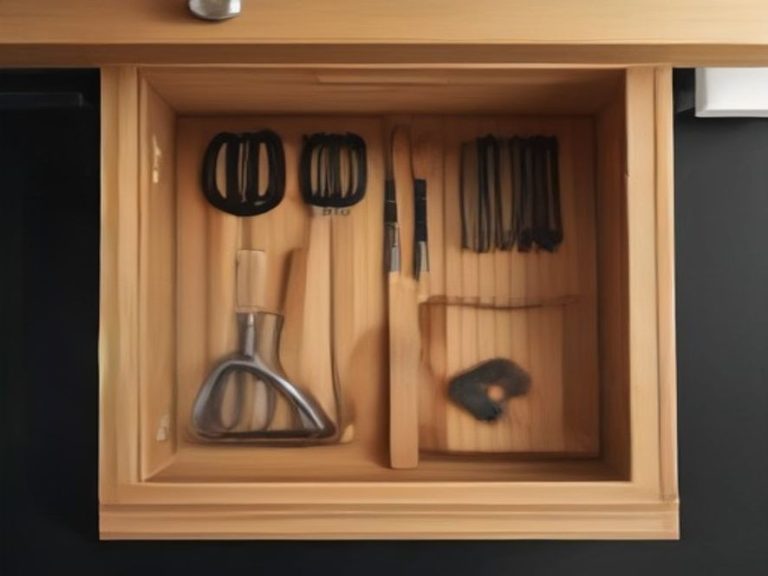
- Turntables/lazy Susans: Perfect for condiments, oils, and spices. They bring items from the back forward.
- Shelf risers: Double your vertical space and make everything visible.
- Pull-out shelves: Great for deep cabinets where items get lost.
- Under-shelf baskets: Use dead air space for wraps, foils, or small items.
- Door-mounted racks: Prime real estate for spices or cleaning supplies.
“A turntable keeps every bottle visible and reachable,” notes kitchen design expert Lena Morris .
Step 6: Label Everything
This might seem extra, but labeling is a game-changer for keeping cabinets organized. “We can’t emphasize enough the importance of labeling,” says Hagmeyer. “Organizing takes time, and if you want all of that time and effort you put in to last, you have to add some labels” .
Labels remind everyone—including you—where things belong. This means your system is more likely to stay intact .
Comparison Table: Cabinet Organization Methods
| Method | Best For | Effectiveness | Difficulty Level | Cost |
|---|---|---|---|---|
| Declutter First | All cabinets | Excellent—prevents rearranging chaos | Moderate | Free |
| Zone Organizing | Daily cooking flow | Excellent—reduces effort | Easy | Free |
| 50% Rule | Overwhelming clutter | High—quick visual impact | Moderate | Free |
| Lazy Susans | Corner cabinets and spices | Great—improves visibility | Easy | $10-30 |
| Shelf Risers | Canned goods and dishes | Great—uses vertical space | Easy | $10-25 |
| Labels | Family-maintained spaces | Excellent—keeps system intact | Easy | $5-15 |
Maintaining the System: Keeping Clutter Away
Do Regular Touch-Ups
“The bulk of the work when organizing is done on the front end,” says Hagmeyer. “However, we like to plan out when your ‘touch-ups’ are going to take place, so you can maintain the order” .
Simple maintenance habits:
- Check your cabinets after grocery shopping—toss expired items
- Do a 5-minute clutter sweep each evening
- Re-evaluate zones seasonally if your cooking habits change
Be Consistent with Small Habits
Get kitchen cleaning into your routine. Choose one kitchen cleaning chore per day and spend a few minutes every day on kitchen cleaning .
“When you can see what you have, it also helps ensure you don’t overbuy essentials like vinegars, oils, etc.,” Hagmeyer adds .
The Reverse Decluttering Method
If you’re struggling to let go, try the reverse decluttering method: empty everything, and only put back items you actually want or use. “Instead of deciding what to get rid of, you pull everything out and only put back what you truly want or use. It’s a yes-only zone,” explains one organizer .
This approach shifts your mindset from guilt to intention. “By focusing on the joy surrounding the items you actually use and not the guilt of letting go of what you spent money on or got as a gift, it takes the stress out of the process” .
Chart: How Organization Methods Affect Cabinet Functionality
This chart compares different approaches to cabinet organization based on how well they prevent future clutter.
Effectiveness of Cabinet Organization Approaches
Sneaky Clutter Culprits to Toss
Common items that cause clutter :
- Stale snacks and expired foods
- Chipped dishes and cracked storage containers
- Old nonstick pans with scratched surfaces
- Mismatched container lids without bases
- Leftover takeout condiments that expired months ago
- Small appliances you haven’t used in over a year
Regularly check for these culprits during your touch-ups.
FAQ: Common Questions About Stopping Kitchen Clutter
How often should I declutter kitchen cabinets?
Do a full purge twice a year and quick touch-ups weekly after grocery shopping.
What’s the 20% rule in kitchen organization?
Leave 20% of cabinet space empty so items don’t get crammed together and clutter doesn’t return.
Should I organize by category or by zone?
Organize by zone—where and how you use items—for the most functional system.
How do I stop buying duplicates?
Store items so you can see them. Use risers and turntables to improve visibility.
What should I do with items I want to donate?
Put them in a box or basket immediately while decluttering, then drop off at a thrift store quickly.
Why does my cabinet always get messy again?
You probably have too many items, no labeling system, or need to do regular touch-ups.
Is it better to organize cabinets or drawers first?
Start with cabinets since they hold more items. Drawers can be tackled after.
References
Expert Kitchen Organization and Decluttering Tips
- Livingetc – Expert Kitchen Organization Advice
- Real Simple – Professional Organizer Tips
- Southern Living – Comprehensive Cabinet Guide
- Veranda – Expert Storage Solutions
Which kitchen cabinet problem drives you craziest? The avalanche of pans? Mystery containers with no lids? Let me know in the comments—your clutter struggle could be our next topic!