How to Organize Kitchen Cabinets Without Taking Everything Out: Quick Fixes for a Cluttered Space
You want a more organized kitchen, but the thought of pulling every single item out of your cabinets feels completely overwhelming—so you keep putting it off.
You know your cabinets are a mess. Pots are stacked haphazardly. Spices are scattered across three different shelves. You keep buying duplicates because you can’t find what you already own. But who has hours to empty everything, sort through it all, and put it back in some perfect system? The good news is you don’t have to do a full cabinet purge to see real improvement. There are practical, time-saving strategies that work with what you already have, so you can start enjoying a more organized cooking space today.
TL;DR:
- You don’t need to empty everything. Work section by section, or even shelf by shelf, to avoid overwhelm.
- Focus on visibility first. Simple additions like risers and clear bins make items easier to see without rearranging everything.
- Use the “shopping cart” method. Grab what you need, then return it to its designated spot to maintain order over time.
- Small changes add up. Even organizing one shelf can make your daily cooking routine noticeably smoother.
Key Takeaways
- Start with one problem area. Don’t try to tackle your whole kitchen at once. Pick the cabinet that frustrates you most.
- Don’t buy organizers first. Assess what you actually have and how you use it before spending money on products.
- Use what you already own. Baskets, boxes, and jars you already have can work as temporary organizers.
- Accessibility matters most. Frequently used items should be at eye level or waist height, not on high shelves or in the back.
- Maintenance is easier than overhaul. A few minutes each week keeps chaos from building up again.
Why People Avoid Organizing and How to Overcome It
The biggest reason people put off organizing their kitchen cabinets is overwhelm. The thought of emptying out years of accumulated stuff feels like a huge, time-consuming project. And for many people, it is.
“Most kitchen problems come from small maintenance habits that are often ignored.”
But here’s the secret: you don’t have to organize everything at once. You don’t have to pull every item out of every cabinet. You can make meaningful progress with minimal disruption to your daily routine.
Step-by-Step Guide to Organizing Without the Overhaul
1. Start With Just One Cabinet or Shelf
Pick the cabinet that causes you the most frustration. Maybe it’s the one where pots and lids are always tangled. Maybe it’s the spice cabinet where you can never find the right seasoning. Choose one area and focus only on that.
Why this works: It’s manageable. You can finish in 15-30 minutes and feel a real sense of accomplishment. That momentum makes it easier to tackle the next cabinet later.
2. Use the “Move Forward” Method
Instead of taking everything out, simply slide items forward on the shelf. Bring items from the back to the front. Group similar items together while you do this.
- All canned vegetables go on one side
- All baking supplies go on the other
- Frequently used items go at the very front
This simple step takes minutes and immediately makes your cabinet more usable without the mess of emptying it.
3. Add Risers and Tiered Shelves Without Moving Everything
Tiered risers are a game changer, and you can install them without emptying the shelf. Simply lift the front row of items, slide the riser underneath, and place the items back. The back row of items automatically becomes visible at a higher level.
For spices: Step racks show all your spices at a glance, so you stop hunting for that one jar of cumin.
For cans: A can rack with a sloped design lets you load from the back and grab from the front—no reorganizing needed.
4. Use Bins and Baskets to Corral Small Items
Bins are perfect for grouping things together without a total reset. Pick a category—tea bags, snack packets, spice mixes—and simply place them into a bin. You don’t need to empty the shelf first. Just group as you go.
The benefit: You can pull out the whole bin when you need something, then slide it back in. Items stay contained and don’t drift all over the shelf.
5. Store Like Items Together During Normal Use
This is a low-effort maintenance habit. When you put away groceries, take an extra moment to place new items with their category. For example:
- Put canned tomatoes with other canned vegetables
- Place new pasta boxes next to other pasta
- Store extra olive oil with your other cooking oils
This approach builds your organization system over time without a dedicated organizing session.
6. Install Pull-Out Shelves Without Disruption
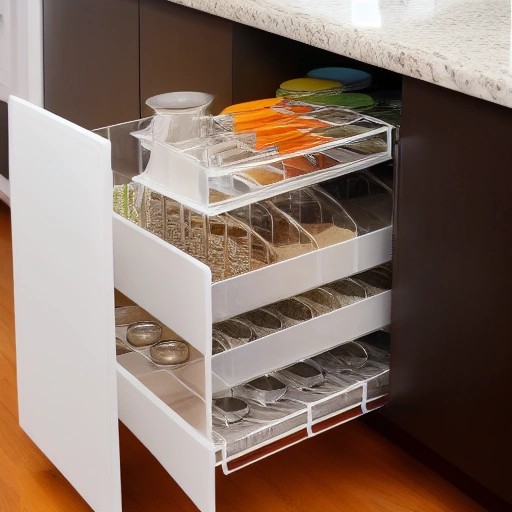
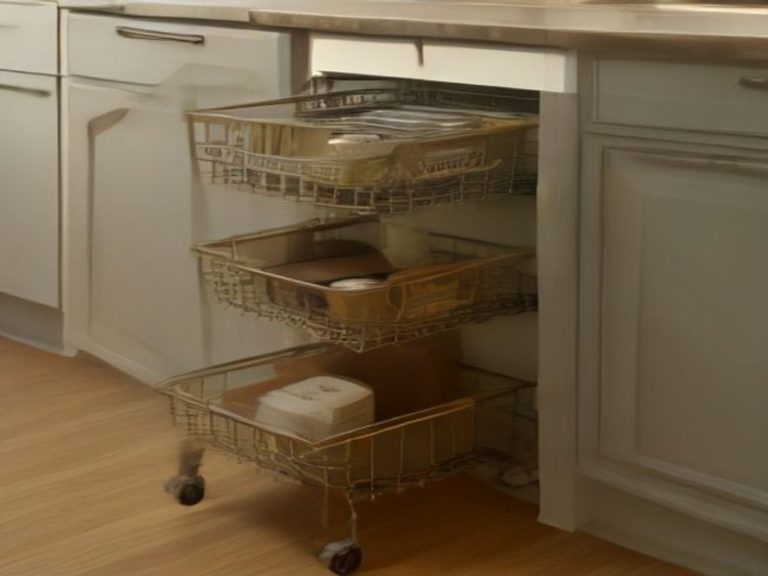
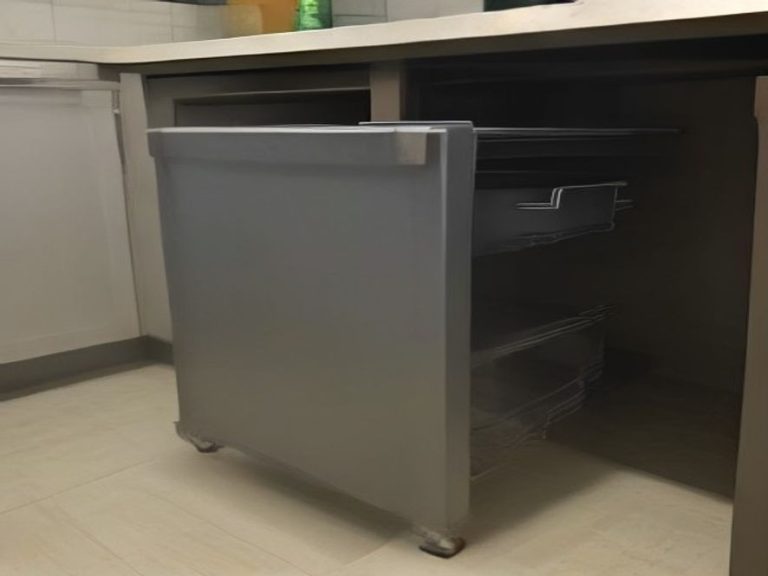
Pull-out shelves are more of a project, but they don’t require emptying your cabinets for days. You can install them one at a time. Simply empty that one shelf, install the slide-out system, and put items back. The whole process takes about 30 minutes per shelf.
The immediate improvement in accessibility makes it worth the small amount of work.
7. Use the “Shopping Cart” Method for Maintenance
Here’s a simple rule: when you take something out of a cabinet, put it back in its designated spot. Don’t just shove it anywhere.
Think of it like a shopping cart. You grab what you need, use it, and return it to the right shelf. This small habit prevents the slow slide back into chaos.
8. Label What You Can See
Labels don’t require a full reorganization. Add a simple label to a bin or shelf edge. It helps everyone in the household remember where things belong, so order is maintained naturally.
9. Use Clear Containers for Pantry Items
When you open a new bag of flour, sugar, or pasta, transfer it to a clear container. Don’t wait for a dedicated organizing day—just do it when you open the package. Over time, your pantry will become more visible and organized with almost no extra effort.
10. Take a “Before” Photo for Motivation
Snap a quick photo of your cabinet before you start. Then take another after your 15-minute organizing session. The visual proof of progress is motivating and helps you appreciate how much difference small changes can make.
Quick Comparison: Low-Effort Organization Methods
| Item/Method | Purpose | Effectiveness | Effort Level | Cost |
|---|---|---|---|---|
| Move Items Forward | Brings back items to the front | Medium. Quick visibility fix | Very Low. Takes 5 minutes | Free |
| Tiered Riser | Creates two levels for visibility | High. Back items become visible | Low. Slide under items | $10-$30 |
| Bin or Basket | Corrals small items together | Medium-High. Keeps categories together | Low. Just place and fill | $5-$15 |
| Clear Container | Makes contents visible at a glance | High. Prevents duplicate buying | Low. Transfer as you use | $5-$20 |
| Pull-Out Shelf | Brings back items to the front | Very High. Full accessibility | Medium. Install one at a time | $40-$150 |
| Labels | Helps family maintain the system | Medium-High. Prevents misplaced items | Very Low. Stick on and go | $5-$10 |
Common Mistakes to Avoid
- Buying organizers before assessing your space. You might buy something that doesn’t fit your actual needs or cabinet dimensions.
- Trying to organize everything in one day. That leads to burnout. Spread the work over a week or more.
- Not considering how you actually use your kitchen. An organized system is useless if it doesn’t match your cooking habits.
- Forgetting maintenance. Organization is ongoing. A few minutes each week prevents the buildup of clutter.
- Storing heavy items on high shelves. This is both inconvenient and a safety hazard. Heavy items belong at waist level or lower.
Additional Low-Effort Tips
Use the Door for Extra Storage
Inside cabinet doors are wasted space you can use without reorganizing your shelves. Adhesive hooks hold measuring cups, pot holders, or oven mitts. Over-door racks store spices or small bottles.
Group by Frequency of Use
Place everyday items at the front and rarely used items in the back. This simple shift reduces daily frustration with almost no effort.
Keep a “Donate Box” Handy
As you use items over the next few weeks, if you realize you never reach for something, put it in a donate box. This declutters gradually without requiring a dedicated sorting session.
Frequently Asked Questions (FAQ)
Can I organize my cabinets without pulling everything out?
Yes. Start with one shelf, use risers and bins, and group items as you use them. Small changes add up over time.
What is the first thing I should organize?
Start with the cabinet that frustrates you most. The sense of accomplishment will motivate you to keep going.
What are the easiest organizers to add without emptying cabinets?
Tiered risers, bins, and over-door racks can be added with almost no disruption to your existing setup.
How do I keep cabinets organized without a big effort?
Use the “shopping cart” method: put items back where they belong immediately after using them.
What’s the most important part of cabinet organization?
Accessibility. If you can easily reach and see what you need, your system is working.
How often should I maintain my cabinets?
A 5-minute reset each week keeps things from getting out of control. Check for drifting items and push them back into place.
Which kitchen problem do you want solved next? Share your thoughts in the comments.
More Kitchen Organization Tips and Practical Home Solutions: