Why Does My Kitchen Sink Smell After Washing Dishes?
That unpleasant smell coming from your kitchen sink right after washing dishes can quickly turn a clean kitchen into an embarrassing space.
TL;DR
That funky smell usually comes from trapped food particles and grease that build up inside your pipes. As this gunk decomposes, it feeds bacteria, which release foul odors. You can often fix it yourself with hot water, baking soda, and vinegar, or by cleaning the P-trap. Regular maintenance is key to preventing the smell from returning.
Key Takeaways
- The Main Culprit: Food scraps and grease stuck to the inside of your pipes are the primary cause.
- Bacteria Growth: This trapped organic matter is a feast for bacteria, creating a persistent stench.
- The P-Trap: A dry or dirty P-trap can let sewer gas into your home, causing a rotten egg smell .
- Easy Fix: A simple flush with hot water and a baking soda and vinegar reaction can solve most cases .
- Prevention: Regularly flushing the drain and avoiding pouring grease down the sink stops the smell before it starts.
The Real Causes Behind Common Kitchen Problems and How to Fix Them
You’ve just finished scrubbing the last pan, your kitchen counters are wiped down, and everything looks spotless. But as you walk past the sink, a foul odor hits you. It’s frustrating, right? The good news is that this is a very common problem with a simple explanation.
Why Kitchen Sink Smells, Clogs, or Drains Slowly
Let’s break down the reasons why that unpleasant odor is happening. It’s almost always one of these four issues.
1. Food and Grease Buildup in the Pipe
This is the number one reason your kitchen sink smells bad. When you wash dishes, tiny food particles and grease wash down the drain. The grease might be liquid when it’s hot, but it cools and solidifies inside your pipes. This creates a sticky trap that catches food scraps. Over time, this buildup decomposes and creates a truly unpleasant smell.
*“The foul combination of grease, food scraps, and soap clings to the inside of the drain – and, over time, the buildup goes rancid.” *
2. Bacteria Feeding on Organic Residue
That warm, damp environment inside your drain is the perfect breeding ground for bacteria. These microorganisms thrive on the microscopic food waste stuck in the pipe. As they break down the organic matter, they produce a sour, musty, or even rotten-egg odor. This is why your kitchen sink drain smells even when there isn’t a visible blockage.
3. Dry or Dirty P-Trap
That curved pipe you see under your sink is called a P-trap. Its job is to hold a small amount of water that acts as a barrier, preventing sewer gas from coming back up into your home. If your sink hasn’t been used in a while, the water in the P-trap can evaporate, allowing those gases to escape. Additionally, the P-trap itself can become clogged with gunk, trapping debris and contributing to the smell.
4. Garbage Disposal and Overflow Issues
If you have a garbage disposal, food can often get trapped under the rubber splash guard or in the tiny crevices of the blades. This is a prime spot for odor-causing bacteria to grow. Similarly, the small overflow hole in your sink can collect soap scum and grime, creating a kitchen sink smell that can trick you into thinking the main drain is the problem.
Step-by-Step Fix Guide: How to Get Rid of a Smelly Kitchen Sink
Ready to tackle that stink? Here’s a simple, step-by-step plan to get your kitchen sink smelling fresh again.
- Flush with Boiling Water: Start by boiling a full kettle of water. Carefully pour it directly down the drain. This will help soften and melt away any grease clinging to the pipes.
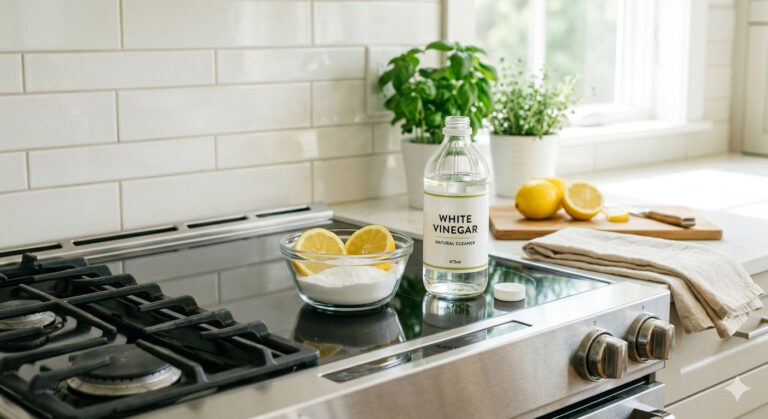
- The Baking Soda and Vinegar Combo: This is the classic, natural solution. Pour half a cup of baking soda down the drain, followed by half a cup of white vinegar. You’ll hear it fizz and bubble, which is great! This reaction helps break down the gunk.
- Let it Sit: Leave the mixture alone for about 10 to 20 minutes. This gives it time to work its magic.
- Final Hot Water Flush: After the waiting period, pour another kettle of boiling water down the drain to flush away all the loosened debris.
- Clean the Garbage Disposal: If you have one, drop in some ice cubes and lemon peels. Run the disposal for about 20 seconds to clean the blades and freshen things up. You can also use a small brush to scrub under the rubber splash guard.
- Deep Clean the P-Trap: If the smell persists, the problem might be deeper. Place a bucket under the P-trap to catch water, then unscrew the connections. Clean out any gunk you find inside and then reassemble it.
⚠️ Safety Reminder: Never mix bleach and vinegar. This combination creates toxic chlorine gas. Always use caution with cleaning products and follow the instructions on the label.
Comparison Table: Kitchen Sink Smell Solutions
| Method | Purpose | Effectiveness | Difficulty Level | Cost |
|---|---|---|---|---|
| Hot Water Flush | Melts grease and flushes light debris | Good for maintenance and mild smells | Easy | Free |
| Baking Soda & Vinegar | Natural odor neutralizer and cleaner | Highly effective for common buildup | Easy | Very Low |
| Clean Garbage Disposal | Removes trapped food from blades | Very effective for disposal-related odors | Easy | Free |
| Manual P-Trap Cleaning | Removes deep clogs and grime | The most effective permanent solution | Medium | Free |
| Chemical Cleaners | Dissolves tough organic matter | Effective but can damage pipes | Easy | Moderate |
Comparison Chart: Effectiveness of Common Fixes
This chart shows how well different methods work for solving a smelly kitchen sink. The data is based on plumber recommendations and practical experience.
“Most kitchen problems come from small maintenance habits that are often ignored.”
FAQ Section
Why does my kitchen sink smell like rotten eggs?
A rotten egg smell often indicates a problem with your P-trap—it might be dry or dirty, allowing sewer gas to escape . It can also be caused by food debris in the drain decomposing.
What’s the best way to clean a smelly garbage disposal?
Grind ice cubes and lemon peels to clean the blades and freshen the disposal . Also, be sure to clean under the rubber splash guard with a brush and soapy water.
How do I prevent my kitchen sink from smelling?
Run hot water down the drain for a few seconds after each use to help wash away food particles . Also, avoid pouring grease or cooking oils down the sink .
Why does my kitchen sink smell after washing dishes?
This happens because the hot water and soap can stir up decomposing food and grease that’s stuck to your pipes, releasing the trapped odor .
Is it safe to pour bleach down my kitchen sink to get rid of the smell?
While a small amount of bleach can kill bacteria, it should be used cautiously and sparingly . It can damage pipes and is toxic if mixed with other cleaners. The baking soda and vinegar method is safer for regular use.
How often should I clean my kitchen sink drain to prevent smells?
A weekly preventative flush with hot water is a good habit. You can also do the baking soda and vinegar treatment every two weeks for a more thorough cleaning .
When should I call a plumber for a smelly kitchen sink?
If you’ve tried the DIY methods and the smell persists or you notice slow drainage, it’s time to call a plumber . There might be a deeper clog or a venting issue that requires professional tools.
Which kitchen problem do you want solved next? Share your thoughts in the comments.
Learn more about preventing common kitchen odors and keeping your cooking space fresh: