Why Does My Dishwasher Smell Like Rotten Eggs After Cleaning? Causes & Easy Fixes
You’ve just run a full cleaning cycle, but that dreaded rotten egg smell still hits you when you open the dishwasher door.
TL;DR
A rotten egg or sulfur smell in your dishwasher is almost always caused by bacteria feeding on trapped food particles, which produce hydrogen sulfide gas . Even after cleaning, the odor can linger if you missed hidden spots like the filter housing, door gasket, or drain hose. The fix involves deep cleaning these areas, checking your drain line installation, and running a vinegar or baking soda cycle.
Key Takeaways
- The culprit is bacteria: The smell comes from bacteria breaking down food residue, releasing sulfur-smelling gas .
- Hidden spots matter: The filter, spray arms, door gasket, and drain hose can all trap odor-causing grime .
- Eggs are a common trigger: Egg residue reacts with heat and detergents, often creating a wet dog or sulfur smell .
- Drainage is key: A missing high loop in the drain hose or a clogged filter can cause standing water and bacterial growth .
- Vinegar and baking soda work: These natural cleaners neutralize odors and break down buildup effectively .
The Real Reasons Your Dishwasher Still Smells After Cleaning
You scrubbed the filter and ran a cleaner, yet the smell persists. Here’s why that happens.
Hidden Food Particles in the Filter and Sump
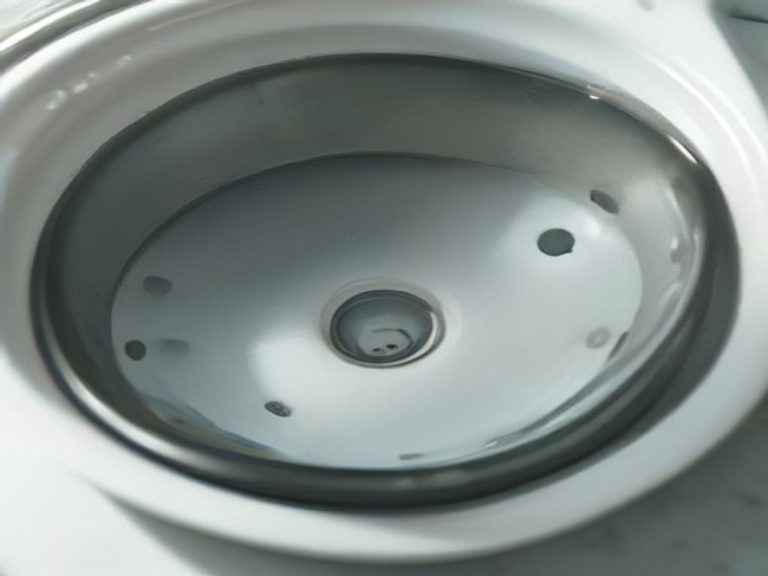
The filter catches food scraps, but even after you rinse it, a slimy layer of grease and decomposed food can remain in the filter housing underneath . Bacteria thrive in this gunk, producing that sulfurous smell. If you don’t clean the entire filter cavity, the odor will return quickly .
The Door Gasket and Spray Arms
Food splatters don’t always land where you can see them. The rubber door gasket (the seal around the door) traps moisture and food particles, especially in the bottom corners . Similarly, the spray arms can develop clogs where trapped food decomposes, releasing odors with each cycle .
The “Egg” Problem
Dishwashers aren’t great at handling eggs. Egg whites contain sulfur compounds, and when combined with hot water and enzyme detergents, they can produce a distinct “wet dog” or rotten egg smell . Even if your dishes look clean, the residue can linger and cause odors.
Drainage and Plumbing Issues
If water sits in the bottom of your dishwasher after a cycle, you have a drainage problem. This creates a breeding ground for bacteria . The issue might be:
- A kinked or improperly installed drain hose. The hose needs a “high loop”—an upward bend near the sink—to prevent dirty water from flowing back into the dishwasher .
- A missing knockout plug if your dishwasher connects to a garbage disposal .
- A clogged air gap (the small chrome cylinder on your sink) .
“A clean-looking dishwasher can still smell bad if the drain water is backing up just a little. That leftover water doesn’t have to flood the tub to cause a sour odor.”
Step-by-Step Fix Guide: How to Eliminate the Rotten Egg Smell for Good
Follow these steps in order. Most of the work is simple cleaning—no tools required.
1. Deep Clean the Filter and Sump Area
This is the most critical step .
- Remove the filter: Consult your owner’s manual to find and remove the filter, usually a cylindrical or flat mesh screen at the bottom of the tub.
- Scrub the filter: Wash it thoroughly in the sink with hot, soapy water and a soft brush. Remove all visible debris.
- Clean the filter housing: Use a sponge or bottle brush to scrub the cavity where the filter sits . You’ll likely find a ring of slime—wipe it all away.
- Soak if needed: For greasy buildup, soak the filter in hot, soapy water for 10-15 minutes .
2. Clean the Spray Arms and Door Gasket
- Inspect and clean spray arms: Remove the spray arms (check your manual) and check the holes for clogs. Use a toothpick or cotton swab to clear them .
- Soak the spray arms: Soak them in a sink with equal parts water and vinegar to dissolve mineral deposits and grease .
- Wipe the door gasket: Use warm, soapy water and a toothbrush to scrub the rubber seal around the door, especially in the bottom corners. Wipe clean with a cloth .
3. Run a Vinegar and Baking Soda Cycle
- Vinegar rinse: Place a cup of white vinegar in an upright, dishwasher-safe container on the bottom rack . Run a normal cycle with the machine empty and the heat dry off. The vinegar helps break down grease and neutralize odors .
- Baking soda cycle: Sprinkle about one cup of baking soda across the bottom of the dishwasher and run a short, hot-water cycle . Baking soda absorbs lingering smells .
4. Check Your Drainage Setup
If the smell comes back, look under the kitchen sink.
- Confirm the high loop: The dishwasher drain hose should be secured high up under the cabinet (near the countertop) before it drops down to connect to the sink drain . This prevents dirty sink water from flowing back.
- Check the air gap: If you have an air gap (a small cylinder on the sink), remove the cap and clean out any debris .
- Inspect the hose: Make sure the drain hose isn’t kinked or crushed .
5. Use a Dishwasher Cleaner
If smells persist, use a commercial dishwasher cleaner like affresh® . These are formulated to remove grease, limescale, and biofilm that vinegar might miss. Follow the instructions on the package.
Quick Comparison: Natural vs. Commercial Cleaners
| Method | Purpose | Effectiveness | Difficulty Level | Cost |
|---|---|---|---|---|
| White Vinegar | Breaks down grease, neutralizes odors | Good for maintenance and mild smells | Easy | Very Low |
| Baking Soda | Absorbs and neutralizes odors | Good for deodorizing after vinegar | Easy | Very Low |
| Dishwasher Cleaner (affresh®) | Deep cleans grease, limescale, biofilm | Highly effective for persistent odors | Easy | Moderate |
| Manual Cleaning | Removes solid debris from filter, gasket, spray arms | Essential for eliminating the source of smells | Medium | Free |
FAQ: Rotten Egg Smell in Dishwashers
Why does my dishwasher smell like rotten eggs after cleaning?
The smell is hydrogen sulfide gas produced by bacteria feeding on food particles trapped in areas like the filter, spray arms, or door gasket . Even after a cleaning cycle, hidden debris can continue to decompose.
Does washing egg dishes cause this smell?
Yes, eggs are a common trigger. When egg residue heats up in the dishwasher, it can release sulfur compounds that smell like rotten eggs or wet dog .
Is vinegar or baking soda better for dishwasher smells?
Both work well. Vinegar breaks down grease and mineral deposits, while baking soda neutralizes odors . Using them in separate cycles (vinegar first, then baking soda) is most effective .
Why does my dishwasher smell if the filter is clean?
The smell may be in the filter housing, the door gasket, or the spray arms . It could also be a drainage issue—standing water in the base of the dishwasher .
How do I stop my dishwasher from smelling like rotten eggs?
Regular maintenance is key. Clean the filter monthly, wipe the door gasket, and run a vinegar cycle every few months. Also, ensure your drain hose has a high loop to prevent backflow .
Can a dishwasher smell like rotten eggs from a plumbing issue?
Yes, if the smell is more like sewage and persists after cleaning, it could indicate a problem with the sewer line or a faulty drain hose installation . You may need a plumber.
My dishes smell like eggs after washing. What’s wrong?
Egg residue is likely being baked onto dishes, especially if your dishwasher uses high heat . Try rinsing egg dishes with cold water before loading , or use a lower temperature cycle.
Which kitchen problem do you want solved next? Share your thoughts in the comments.
Learn more about preventing common kitchen odors and keeping your appliances fresh: