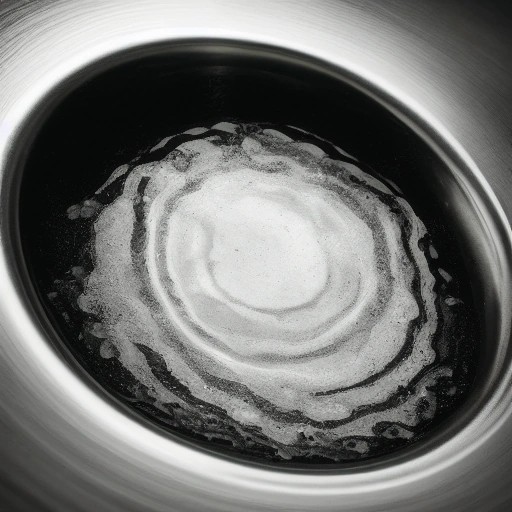
Kitchen Sink Water Draining Slowly Causes in Kitchen Sink Problems Guide (Fast Solutions)
You stand at the sink watching the soapy water inch downward after washing a few plates, and what should take ten seconds takes two full minutes.
A slow-draining kitchen sink is one of those problems that starts small and gets worse over time. At first, you barely notice. Then you start leaving the water running longer. Then you find yourself plunging every few weeks. The frustration builds until one day the sink just stops draining altogether. But you do not need to let it get that far. This guide explains every possible cause of slow drainage and gives you the exact fix for each one—before you end up with a full backup.
TL;DR
A kitchen sink drains slowly because something is restricting water flow. The most common causes are grease buildup inside the pipes, food debris stuck in the P-trap, a dirty or jammed garbage disposal, or soap scum accumulation. Less common causes include a clogged vent pipe, a damaged drain line, or a main sewer line issue. Most slow drains can be fixed with baking soda and vinegar, a plunger, or by cleaning the P-trap. Catching the problem early saves you from a complete clog later.
Key Takeaways
- Slow drainage is almost always a partial clog. Fix it now before it becomes a full clog.
- Grease is the number one cause. Hot grease goes down as liquid, then hardens in cold pipes.
- A dirty garbage disposal can slow drainage even when it is not jammed.
- Baking soda and vinegar is a safe, effective first treatment.
- Never pour chemical drain cleaners down a slow drain with a garbage disposal.
Kitchen Sink Water Draining Slowly Causes: Identify Your Culprit
Slow drainage is not a mystery. Water moves slowly because something is in the way. The key is figuring out where that something lives. Run these quick tests before you start fixing.
Test 1: Does the slow drain happen on both sides of a double sink?
If yes, the clog is below where the two sinks join. If only one side is slow, the problem is in that sink’s individual drain or disposal.
Test 2: Does running the garbage disposal help or hurt?
If running the disposal temporarily speeds up drainage, the disposal itself may be the restriction. If running it does nothing, the clog is downstream.
Test 3: Does the water eventually drain completely, or does it leave a ring of standing water?
If it drains completely but slowly, you have a partial clog. If water remains standing for hours, you have a nearly complete clog.
Test 4: Do other drains in your home drain slowly too?
If yes, the problem may be your main sewer line or roof vent.
Let us walk through each cause and its solution.
Cause 1: Grease Buildup (Most Common)
Here is what happens. You cook bacon. You fry chicken. You drain ground beef. The hot grease looks like a liquid, so you pour it down the drain. It slides through your pipes while hot. But ten feet later, that grease cools down. It turns back into a solid. It sticks to the pipe walls. Another pour adds another layer. Over months and years, that grease layer gets thicker and thicker. Water tries to flow through a pipe that used to be two inches wide but is now one inch wide or less. That is your slow drain.
How to tell if grease is your problem:
- The slow drain started gradually and has been getting worse for months.
- You have poured cooking oil, bacon fat, or pan drippings down the drain.
- The water that sits in the sink looks greasy or has an oily film.
- Plunging helps for a day, but the slowness returns.
How to fix a grease clog:
- Remove all standing water from the sink using a cup or small bucket.
- Pour one cup of baking soda directly down the drain.
- Follow with two cups of white vinegar. The mixture will foam aggressively.
- Cover the drain opening with a wet rag to force the foam deeper into the pipe.
- Wait 20 minutes. The foam breaks down grease into soap-like compounds that wash away.
- Boil a full kettle of water. Carefully pour it down the drain.
- Run hot tap water for two minutes.
- If drainage is still slow, repeat the process. Heavy grease clogs may need two or three treatments.
“Hot grease is a liquid. Cold grease is a solid. Your pipes are cold. Never pour any grease down any drain. Scrape it into the trash.”
Cause 2: Food Debris in the P-Trap
The P-trap is the curved pipe directly under your kitchen sink. It is designed to catch heavy objects so they do not go deeper into your plumbing. That same design catches food debris—rice, pasta, vegetable chunks, coffee grounds. Over time, that debris builds up and restricts water flow.
How to tell if the P-trap is your problem:
- The slow drain started suddenly, not gradually.
- You recently washed a large amount of food scraps down the sink.
- You have a garbage disposal but do not use it for everything.
- The sink drains very slowly or not at all, but the disposal runs fine.
How to clean the P-trap:
- Place a bucket directly under the P-trap (the curved pipe).
- Using pliers or your hands, unscrew the two slip nuts at each end of the curved pipe.
- Carefully remove the P-trap and dump the contents into the bucket.
- Use a long brush or an old wire coat hanger to scrub the inside of the pipe.
- Look through the pipe toward a light. You should see a clear, open path.
- Clean the slip nuts and the rubber or plastic washers inside them.
- Reattach the P-trap. Hand-tighten the nuts, then give each a quarter turn with pliers.
- Run water for one minute and check for leaks.
| Slow Drain Symptom | Likely Cause | Best First Fix | Time Needed |
|---|---|---|---|
| Slow on both sink sides | Grease buildup or main line clog | Baking soda + vinegar | 25 minutes |
| Slow only on disposal side | Dirty disposal or disposal-side clog | Clean disposal with ice + salt | 10 minutes |
| Slow only on non-disposal side | Debris in that sink’s drain line | Clean P-trap | 15 minutes |
| Slow plus bad smell | Grease + food debris together | Baking soda + vinegar then P-trap | 30 minutes |
| Slow throughout whole house | Main sewer line or vent issue | Call plumber | N/A |
Cause 3: Dirty or Clogged Garbage Disposal
Your garbage disposal has a small grinding chamber inside. Over time, food particles can get stuck in that chamber, especially around the edges where the drain opening is. The disposal might still spin and sound normal, but the path for water is partially blocked.
How to tell if your disposal is causing slow drainage:
- The slow drain happens only on the side with the disposal.
- The other side of a double sink drains normally.
- Running the disposal temporarily helps the water drain faster.
- You hear a humming sound when you run the disposal, but it does not sound powerful.
How to clean a disposal for better drainage:
- Safety reminder: Unplug the disposal or turn off the circuit breaker before reaching inside.
- Pull out the black rubber splash guard from the sink opening. Scrub it with dish soap and a toothbrush.
- Use tongs or a flashlight to look inside the disposal chamber. Remove any visible food debris.
- Plug the disposal back in.
- Drop one cup of ice cubes into the disposal. Add one cup of rock salt.
- Run cold water and turn on the disposal. The ice acts as an abrasive scrubber.
- After the ice is gone, turn off the disposal and run cold water for 30 seconds.
- Check if drainage improved.
- Do this cleaning routine once a month to prevent slow drainage.
Cause 4: Soap Scum and Mineral Buildup
If you have hard water (white scale on your kettle or showerhead), minerals like calcium and magnesium are in your water. These minerals combine with dish soap to form soap scum—a hard, grayish deposit that sticks to pipe walls. Over years, soap scum builds up and narrows your drain pipes just like grease does.
How to tell if soap scum is your problem:
- You have visible white scale on other fixtures in your home.
- The slow drain has been getting worse for years, not weeks.
- You have tried grease treatments with limited success.
- You use bar soap or powdered dish soap (both create more scum than liquid soap).
How to fix soap scum buildup:
- Remove standing water from the sink.
- Pour two cups of white vinegar down the drain. Vinegar dissolves mineral deposits.
- Let the vinegar sit for one hour.
- Follow with a full kettle of boiling water.
- Repeat once a week for three weeks to break down thick buildup.
- Switch to liquid dish soap if you use bar soap. Liquid soap produces less scum.
Cause 5: Vent Pipe Restriction
Your kitchen sink plumbing includes a vent pipe that goes up through your roof. This vent lets air into the drain system so water flows freely. If the vent gets blocked by leaves, a bird nest, or ice, air cannot enter. A vacuum forms in the pipes. That vacuum slows water drainage to a crawl, even though the pipes themselves are clear.
How to tell if the vent is your problem:
- The sink drains slowly, but you have cleaned the P-trap and snaked the drain.
- Other drains in your home also drain slowly, especially upper floor drains.
- You hear gurgling sounds from other drains when you run the kitchen sink.
- The toilet bubbles when you run water in the kitchen.
How to fix a vent pipe restriction:
- Locate the vent pipe on your roof. It is a three or four inch pipe sticking up vertically.
- Shine a flashlight down the pipe. Look for visible blockages like leaves or nests.
- Use a plumber’s snake or a long, flexible pole to break up and remove debris.
- Run a garden hose down the vent pipe to flush out smaller material.
- If you cannot safely access your roof, call a plumber. Vent cleaning costs $150–300.
- Safety reminder: Never attempt roof work in wet, windy, or icy conditions. Use a stable ladder and have someone spot you.
Cause 6: Main Sewer Line Issue (Call a Plumber)
Sometimes the problem is not in your kitchen at all. If your main sewer line from your house to the street or septic tank is partially clogged, every drain in your home will drain slowly—kitchen sink, bathroom sinks, shower, and toilet.
How to tell if your main sewer line is the problem:
- Every drain in your house drains slowly, not just the kitchen sink.
- Water backs up into your basement floor drain or lowest shower when you use any fixture.
- You notice a sewage smell around your home.
- Your toilet gurgles or the water level rises and falls on its own.
What to do:
- Stop using all water fixtures as much as possible.
- Call a licensed plumber immediately.
- The plumber will run a heavy-duty auger (snake) through your main cleanout or use hydro-jetting.
- Expect to pay $300–600 for main line clog removal.
- Do not try to fix a main line clog yourself. The equipment is dangerous, and sewage exposure is a health risk.
Step-by-Step Fix Guide: From Slow to Fast in 30 Minutes
Follow these steps in order. Most slow drains will clear by step 3.
Step 1: Remove standing water. Bail out the sink using a cup or small bucket. Start with a clean, empty sink.
Step 2: Run the garbage disposal (if you have one). Run it with cold water for 30 seconds. This clears any debris directly at the drain opening.
Step 3: Try baking soda and vinegar. Pour one cup baking soda, then two cups vinegar. Cover the drain. Wait 20 minutes. Flush with boiling water.
Step 4: Use a plunger. Fill the sink with a few inches of water. Place the plunger over the drain. Plunge vigorously for 30 seconds. Pull up sharply.
Step 5: Clean the P-trap. Place a bucket underneath. Remove the curved pipe. Scrub it clean. Reassemble.
Step 6: Snake the drain. If water is still slow, insert a drain snake into the pipe that goes into the wall. Crank and push until you feel resistance. Pull out the clog.
Step 7: Call a plumber. If none of these steps work, or if multiple drains are slow, call a professional.
Prevention: Keep Your Sink Draining Fast
Never pour grease down the drain. This one habit prevents 80 percent of slow drains. Pour grease into a jar or can. Throw it in the trash when full.
Use a sink strainer. Those little mesh screens cost two dollars. They catch food scraps before they go down the drain.
Run hot water for 30 seconds after each use. This flushes loose debris past the P-trap before it can settle.
Flush with boiling water every Sunday. Pour your tea kettle down the drain once a week. This melts small grease deposits before they build up.
Run your disposal with cold water only. Cold water keeps grease solid so the disposal can grind it. Hot water melts grease, which then re-solidifies in your pipes.
Clean your disposal monthly. Use the ice and salt method. It takes two minutes and prevents buildup.
FAQ: Slow Draining Sink Questions Answered
Why is my kitchen sink draining slowly but not clogged?
It is partially clogged. A full clog means no drainage. A slow drain means the pipe is narrowed by buildup. The cause is usually grease, soap scum, or food debris.
Can I use Drano for a slow-draining kitchen sink?
Do not use chemical drain cleaners if you have a garbage disposal. The chemicals damage rubber seals and metal parts. For sinks without disposals, try mechanical methods (plunger, snake) first.
How do I know if the slow drain is grease or food debris?
Grease clogs develop slowly over months and cause oily water. Food debris clogs happen suddenly after washing a large meal. Grease needs vinegar and baking soda. Food debris needs P-trap cleaning.
Why does my sink drain slowly but my neighbor’s drains fine?
The problem is in your pipes, not the city main. Look at your own grease habits, disposal cleanliness, and P-trap condition.
How often should I clean my P-trap?
Once a year as preventive maintenance. More often if you frequently wash food scraps down the drain.
Can a slow-draining kitchen sink fix itself?
No. Partial clogs do not dissolve or move. They only get worse as more debris catches on the existing buildup.
Is a slow-draining sink a sign of a bigger problem?
Sometimes. If only the kitchen sink is slow, it is likely a local clog. If every drain in your house is slow, you may have a main sewer line or roof vent issue. Call a plumber for a camera inspection.
Final Thoughts: Do Not Wait for the Full Clog
A kitchen sink that drains slowly is trying to tell you something. Something is in the way. The longer you ignore it, the more debris will catch on that blockage, and the slower your drain will get. One day, you will turn on the faucet and water will not go down at all. That is when a simple fix becomes a messy emergency.
Take twenty minutes this weekend. Try the baking soda and vinegar. Clean your P-trap. Run the disposal with ice. Your sink will thank you with fast, quiet drainage for months to come.
What has caused your kitchen sink to drain slowly in the past? Share your experience in the comments.
References: