Why Does My Kitchen Smell Like Rotten Eggs? Causes and Solutions
That unmistakable rotten egg smell wafting from your kitchen isn’t just unpleasant—it’s hydrogen sulfide gas, and it’s a warning sign that something in your plumbing or water supply needs attention.
TL;DR
A rotten egg smell in your kitchen is almost always caused by hydrogen sulfide gas. The most common source is bacteria buildup in your sink drain or garbage disposal, where trapped food particles and grease decompose . Other causes include a dry P-trap that lets sewer gas escape , egg residue on dishes releasing sulfur compounds , or a water heater issue producing the smell in hot water only . Start by cleaning the drain with baking soda and vinegar, then check the P-trap. If the smell comes only from hot water, your water heater may need attention.
Key Takeaways
- Bacteria in drains are the #1 cause—they feed on food and grease and release hydrogen sulfide gas
- A dry P-trap breaks the water seal that blocks sewer gas—run water in unused sinks monthly
- Hot water only smells? Your water heater’s anode rod or low temperature may be the culprit
- Egg residue on dishes can trigger a chemical reaction releasing sulfur smells in the dishwasher
- Serious health warning: In rare cases, hydrogen sulfide buildup can be dangerous, even fatal
What Causes That Rotten Egg Smell?
The Science Behind the Stench
The rotten egg smell is caused by hydrogen sulfide gas (H₂S) . This gas forms when bacteria break down organic matter (food, grease, hair) in the absence of oxygen. The same process happens in swamps and sewers—which is why the smell is so recognizable.
The good news is that small amounts of hydrogen sulfide are usually just a nuisance. The bad news is that in high concentrations, it can be harmful, and in extremely rare cases, it has been fatal . That’s why it’s important to identify and fix the source.
5 Most Common Causes
1. Bacteria Buildup in the Sink Drain or Garbage Disposal
This is the most common cause. Every time you wash dishes, tiny food particles and grease go down the drain. Over time, this accumulates and creates a feast for bacteria . These bacteria produce hydrogen sulfide gas as they break down the organic matter .
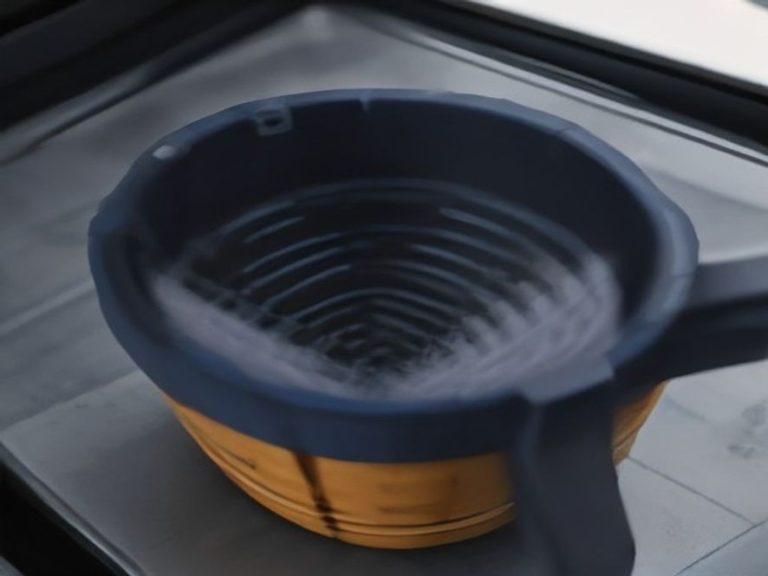
The garbage disposal is especially vulnerable. Food gets trapped in the rubber splash guard and decomposes, releasing odors. If your kitchen smells like rotten eggs even when the tap isn’t running, this is the first place to check.
2. Dry or Dirty P-Trap
The P-trap is the U-shaped pipe under your sink that holds water. This water creates a seal that blocks sewer gas from coming back up through the drain .
If you don’t use a sink for a while, the water can evaporate, breaking the seal . Sewer gas then rises through the drain, bringing that rotten egg smell with it. This is common in guest bathrooms but can also affect kitchen sinks during vacations.
A P-trap can also accumulate sludge over time, which itself decomposes and smells .
3. Egg Residue in the Dishwasher
Here’s a surprising one: if your dishes had egg on them and weren’t fully rinsed, the egg residue can break down in the dishwasher and release hydrogen sulfide gas . The smell can mix with other food residues, moisture, and detergent to create a funky odor.
4. Water Heater Problems (Hot Water Only)
If the smell comes only when you run hot water, your water heater is likely involved . The “sacrificial anode rod” inside the water heater can feed sulfate-reducing bacteria, especially if the water temperature is set too low .
These bacteria thrive in warm environments and produce hydrogen sulfide gas, which gets released into your hot water supply. Your water heater may need to be flushed, or the anode rod may need to be replaced .
5. Well Water or Municipal Water Supply Issues
If you’re on a private well, hydrogen sulfide can occur naturally in groundwater . In rare cases, municipal water can also have issues. To check if the smell is in the water itself, fill a glass from your kitchen sink, take it outside, and smell it . If it still smells, test a glass from another sink. If both smell, the water supply is the issue.
Step-by-Step: How to Fix the Rotten Egg Smell
Step 1: Clean the Drain and Garbage Disposal
For the drain:
- Pour ½ to 1 cup of baking soda down the drain
- Follow with 1 cup of white vinegar
- Cover the drain and let it fizz for 10-15 minutes
- Flush with boiling water or very hot tap water
For the garbage disposal:
- Turn off the disposal and remove the rubber splash guard
- Scrub it with dish soap and a brush—the underside is where the gunk hides
- Grind ice cubes and kosher salt through the disposal to scrub the blades
- Run lemon or citrus peels through for a fresh scent
A note about bleach: Some utility companies recommend using bleach, but many plumbers advise against it because bleach can damage pipes over time . Stick to baking soda and vinegar for regular cleaning.
Step 2: Check and Refill the P-Trap
Run water in the sink for 1-2 minutes. If the smell goes away, the P-trap had dried out and you’ve fixed it. To prevent recurrence, run unused sinks monthly.
If the smell persists, you may need to manually clean the P-trap . Place a bucket underneath, unscrew the U-shaped pipe, empty it, scrub it clean with a brush, and reinstall it.
Step 3: Test Whether the Water Heater Is the Problem
- Fill a glass with cold water from the sink
- Fill a separate glass with hot water from the same sink
- Smell both
If only the hot water smells, the problem is in your water heater . You may need to:
- Flush the water heater to remove sediment
- Raise the temperature above 140°F for 8 hours to kill bacteria
- Replace the anode rod (consult a professional for this)
Step 4: If the Smell Persists—Call a Professional
Call a plumber if:
- You’ve tried all the DIY fixes and the smell returns within days
- You hear gurgling sounds when water drains
- The smell comes from multiple drains
- You suspect a gas leak—natural gas contains mercaptan, which also smells like rotten eggs
“Most kitchen problems come from small maintenance habits that are often ignored.”
Comparison Table: Rotten Egg Smell Causes and Solutions
| Source | What It Smells Like | Best Fix |
|---|---|---|
| Dirty drain/disposal | Rotten eggs from drain | Baking soda + vinegar flush, scrub splash guard |
| Dry P-trap | Sewer gas smell | Run water for 1 minute, use monthly |
| Egg residue (dishwasher) | Rotten eggs on dishes | Rinse egg off dishes thoroughly before washing |
| Water heater | Hot water only smells | Flush heater, raise temperature, replace anode rod |
| Well water | Cold and hot water both smell | Test water from multiple taps; call professional |
| Gas leak | Rotten egg smell near gas lines | Call gas company immediately |
FAQ
Why does my kitchen sink smell like rotten eggs even when it’s clean?
Food particles and grease are trapped in the drain or garbage disposal, feeding bacteria that produce hydrogen sulfide gas. Cleaning the drain with baking soda and vinegar usually fixes it .
Can a dry P-trap cause a rotten egg smell?
Yes. The P-trap holds water to block sewer gas. When the water evaporates, gas rises through the drain .
Why does the smell only come from hot water?
Your water heater is likely the source. Bacteria can grow inside the tank and produce hydrogen sulfide, which is released with the hot water .
Is sewer gas dangerous?
In small amounts, it’s mostly unpleasant. In high concentrations, hydrogen sulfide can cause health issues, and in extremely rare cases, it can be fatal . If the smell is strong or persistent, investigate the source immediately.
Can egg residue in the dishwasher cause a rotten egg smell?
Yes. Egg material breaks down and releases hydrogen sulfide gas, which creates that classic smell .
How do I test whether the smell is in the water or the drain?
Fill a glass from the smelly sink, take it outside, and smell it. If it smells, test water from another sink. If both smell, the water is the issue .
What if I’ve tried everything and the smell is still there?
Call a plumber. You may have a cracked pipe, faulty vent, or issue behind the walls that requires professional diagnosis .
References
Trusted sources for kitchen odor troubleshooting and plumbing advice:
- Hillsdale County – Sulfur in Drinking Water (Water Heater Causes)
- Citizens Energy Group – Rotten Egg Smell in Water
- Bacon Plumbing – Drain Smell Causes and Fixes
- Mr. Rooter Plumbing – Sulfur Smell in Drains
Which kitchen problem do you want solved next? Share your thoughts in the comments.