Why Is My Kitchen Sink Drain Slow After Cleaning the P-Trap? 4 Hidden Causes and How to Fix Them
You spent time cleaning that U-shaped pipe under your sink, but the water still drains slowly—this frustrating situation usually means the clog is hiding somewhere else in your plumbing.
The good news is that this is a common next step in the troubleshooting process. If your P-trap is clean and clear, the blockage is likely further down the line. By following a few simple diagnostic steps, you can find the real problem and get your sink flowing freely again.
TL;DR
- If the P-trap is clean but the sink is still slow, the clog is deeper in the drain line—in the branch pipe or main drain .
- Grease buildup is often the culprit, especially if you cook with oils frequently or pour them down the sink .
- A garbage disposal connection can also be blocked, even if the disposal itself seems to work .
- Try a drain snake next—it can reach blockages past the trap and pull them out .
- If multiple fixtures are slow or you smell sewage, call a plumber—you may have a main line clog .
The Real Causes Behind the Persistent Slow Drain
If you have cleaned the P-trap and the water still drains slowly, the clog is almost certainly not in the trap. Here is where to look next.
The Clog Is Deeper in the Drain Line
The most common reason for a slow drain after a clean trap is a blockage in the branch drain line—the pipe that runs from your sink to the main sewer line in your house . Food particles, grease, and soap scum build up further down, narrowing the pipe and restricting water flow.
How to check: If you remove the P-trap and only a few drips come out, the blockage is below the trap. Or, if you reassemble the trap and the sink fills up immediately, the clog is beyond the trap .
Grease and Food Scraps Are Stuck in the Pipes
Grease is the biggest problem in kitchen drains. When hot grease cools, it solidifies and sticks to pipe walls, trapping food particles . Over time, this creates a sticky film that narrows the pipe. Even after you clean the trap, the grease further down may still be restricting flow, which explains why a sink can work for a few minutes but then back up again when more water is added.
Especially likely if: The slowness happens after cooking oily foods, like frying or searing meat . And even if you wipe pans before washing, some grease inevitably gets into the drain and solidifies over time.
The Garbage Disposal Connection Is Blocked
If you have a garbage disposal, it can be a blockage point even when it seems to work . Food waste or grease can accumulate where the dishwasher or sink drain connects to the disposal, narrowing the opening.
What to check: If the disposal hums but water does not drain, the problem is almost certainly a clog in the drain line rather than the disposal itself . Running the disposal with cold water for 15–30 seconds may clear minor blockages, but deeper clogs need mechanical cleaning .
A Venting Issue or Main Line Clog
If the problem is not just in the kitchen sink but other fixtures are also slow or gurgling, the problem may be in the main sewer line or a blocked plumbing vent .
Warning signs: Gurgling sounds from other drains, water backing up in the tub or toilet, or a sewage smell in multiple areas .
What to Do Next: A Simple Step-by-Step Plan
Since you have already cleaned the P-trap, here is the logical next step.
Step 1: Try the Drain Snake (Auger)
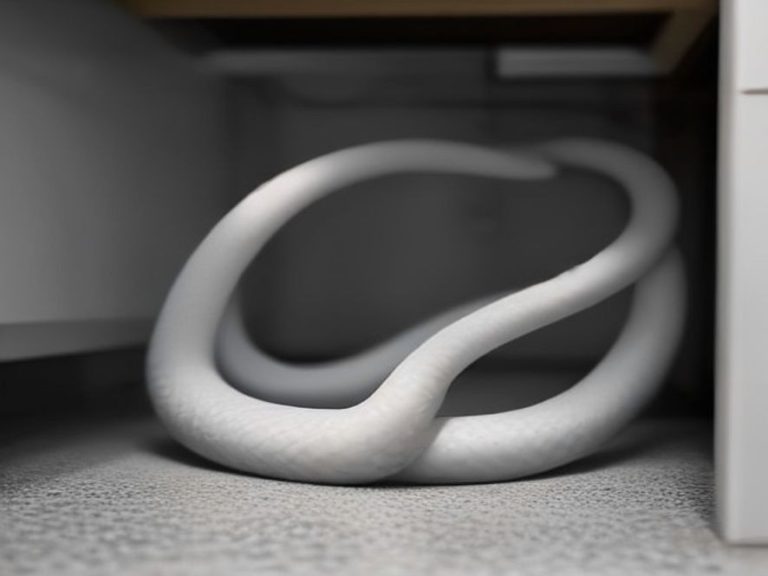
The most effective next tool is a hand-held drain snake or auger.
- Remove the P-trap again (place a bucket underneath).
- Feed the snake into the pipe that goes toward the wall .
- Turn the handle clockwise while pushing gently. You will feel resistance when you hit the clog .
- Keep turning to hook or break up the debris, then pull the snake back out .
- Repeat until the cable moves freely.
- Reassemble the trap and run hot water to test the flow.
Pro tip: A 3-foot handheld auger is enough for most clogs that have just passed the trap. But if you have a longer pipe, you may need a longer tool .
Step 2: Use a Plunger Again
Sometimes a combination of methods works. Use a flat-bottom sink plunger (not a toilet plunger) after you have snaked the drain. If you have a double sink, seal the other side with a wet cloth .
How to do it: Fill the sink with a few inches of water, cover the drain with the plunger, and pump vigorously 10–20 times. Test the flow and repeat if needed.
Step 3: Check Your Garbage Disposal (If Applicable)
If the disposal is involved, try these steps:
- Turn off the disposal.
- Run cold water and turn on the disposal. If it hums but the water does not drain, the drain line is blocked .
- Try the drain snake from the sink side, past the disposal connection.
- Check the dishwasher inlet plug if you have a new disposal—it may still be in place, blocking drainage .
Step 4: Consider the Source of the Clog
If you find a lot of grease in the drain, prevention is key.
- Scrape plates into the trash before washing .
- Wipe greasy pans with a paper towel and throw it away .
- Let cooking oil cool in a sealed container and throw it in the trash .
Step 5: Know When to Call a Professional
A plumber is the right call if:
- Multiple fixtures are slow or backing up .
- You smell sewage in your home .
- The clog keeps returning after you clear it .
- You are not comfortable working with pipes or using tools .
Comparison Table: Slow Drain After P-Trap Cleaning
| Symptom | Likely Cause | Next Step |
|---|---|---|
| Sink still slow, no other fixtures affected | Partial clog deeper in branch line | Use a drain snake into the wall pipe |
| Water backs up quickly after reassembly | Clog just past the trap | Snake the drain immediately |
| Only slow after cooking oily food | Grease buildup deeper in the pipe | Snake the drain; adjust cooking habits |
| Disposal hums but water won’t drain | Clog in disposal connection | Check and clear the drain line |
| Multiple fixtures slow or gurgling | Main sewer line or vent issue | Call a professional plumber |
“Most kitchen problems come from small maintenance habits that are often ignored. A regular check for drips under the sink is an easy habit that can save you thousands of dollars in water damage.”
Frequently Asked Questions (FAQ)
Why is my kitchen sink still slow after cleaning the P-trap?
The clog is likely deeper in the drain line, in the branch pipe past the trap or in the main sewer line . Use a drain snake to reach it.
How do I unclog a sink drain past the P-trap?
Remove the P-trap and feed a drain snake (auger) into the wall pipe. Rotate it to break up or hook the blockage, then pull it out .
Can grease cause a clog even after the P-trap is clean?
Yes. Grease cools and solidifies further down the pipe, narrowing it over time. This is a very common cause of slow kitchen drains .
When should I call a plumber for a slow kitchen sink?
If you have cleaned the P-trap and used a snake but the problem persists, or if multiple fixtures are slow, you smell sewage, or water backs up into other drains .
Will baking soda and vinegar clear a deeper clog?
It can help with mild buildup near the trap, but for deeper blockages, mechanical methods like snaking or plunging are more effective .
A slow drain after cleaning the P-trap is a clear signal that the blockage is somewhere else. By using a drain snake and checking your disposal connection, you can often solve the problem yourself. And if the issue is deeper, knowing when to call a professional will save you time and prevent damage.
Which kitchen problem do you want solved next? Share your thoughts in the comments.
Learn more about kitchen plumbing maintenance and repairs from trusted sources: