Smart Storage Solutions: The Best Guide to Fix Clutter in Kitchens Without a Pantry
That sinking feeling when you realize your kitchen has no pantry can make grocery shopping feel like a stressful game of “where do I put this?”
You bring home groceries, open your cabinets, and realize there is simply no room. This guide will help you solve the problem of missing pantry space with creative storage solutions and smart tool choices. You will discover the best way to organize dry goods without a pantry, save money by avoiding unnecessary gadgets, and create a functional cooking space that works for your home.
TL;DR
- Create a “pantry zone” anywhere: Use a rolling cart, bookshelf, or even a repurposed wardrobe to dedicate a specific area for food storage, rather than scattering it across cabinets.
- Think vertical and use all surfaces: Install wall shelves, use over-the-door organizers, and add magnetic spice racks to free up counter and cabinet space.
- Choose tools that pull double duty: Invest in cookware that can be used on the stovetop and in the oven, like a cast iron skillet, and gadgets that nest or store compactly.
- Store smart with clear containers: Transfer dry goods to uniform, clear canisters so you can see what you have, reduce waste, and save space.
Key Takeaways
- Stop forcing a traditional pantry: If your kitchen doesn’t have one, don’t try to create a Pinterest-worthy walk-in where it won’t fit. Instead, focus on one intentional “pantry zone” that works for how you actually cook.
- Every inch of wall space is valuable: Your walls, cabinet doors, and even the side of your fridge are prime real estate for storage in a pantry-less kitchen.
- Opt for compact and multi-use tools: In a small kitchen, a single good chef’s knife and a 10-inch skillet are more valuable than a drawer full of single-use gadgets. A Dutch oven can replace a pasta pot, sauce pan, and slow cooker.
- Containers are your best friend: Clear, airtight containers standardize the shapes of your food items, making them easier to stack and see, which is the secret to an organized system.
How to Fix a Kitchen Without a Pantry
Not having a pantry doesn’t mean you are doomed to a chaotic kitchen. It just means you need to be a little more creative. Here is a step-by-step guide to building a functional, organized storage system.
Step 1: Create Your “Pantry Zone”
The key is to stop thinking about a pantry as a dedicated room and start thinking of it as a dedicated area. This is your pantry zone. Good options include:
- A Rolling Cart: This is the most flexible solution. You can tuck a slim cart into an unused gap between the fridge and the stove, and roll it out for easy access. It is perfect for renters or small spaces.
- A Bookshelf or Wardrobe: Repurpose an old bookshelf or an IKEA Pax wardrobe to store your dry goods and small appliances. This adds instant storage without the need for a remodel.
- A Section of a Laundry Room or Mudroom: If you have even a small shelf in another room, you can use it to store backstock items or bulk supplies.
Step 2: Maximize All Surfaces
Now that you have a zone, use every available surface to make it efficient.
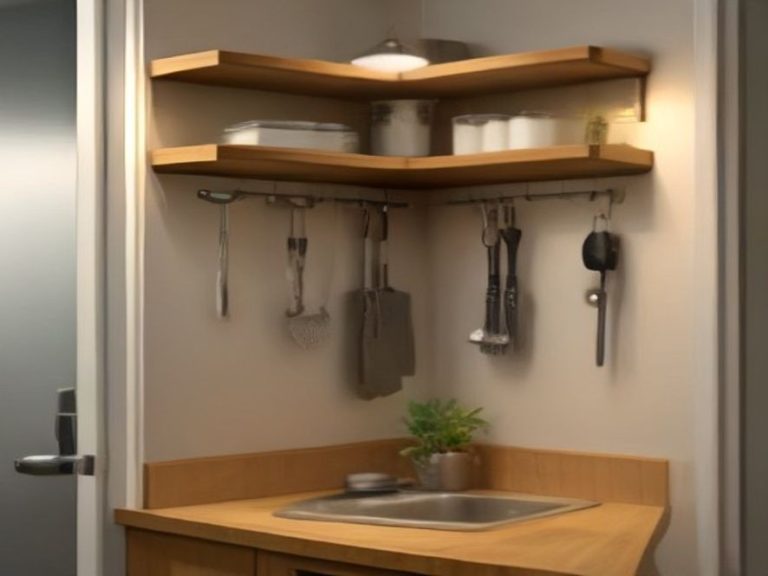
- Install Open Shelving: If you have an open wall, add floating shelves. They are a popular and design-forward way to create storage. Just make sure to keep them organized, as everything is on display.
- Hang a Pegboard: Julia Child famously used a pegboard to hang her cookware. This frees up counter space and keeps your tools within reach. It’s inexpensive, flexible, and easy to install.
- Add an Over-the-Door Organizer: The back of a cabinet or closet door is a great spot for a hanging organizer. This can hold spices, snacks, and packets without taking up any shelf space.
- Use a Lazy Susan: A turntable is a lifesaver in a cabinet. Place your oils, vinegars, and sauces on it, and you can easily spin it to find what you need instead of knocking over bottles.
Step 3: Choose the Right Tools and Gadgets
In a kitchen without a pantry, you might not have room for full-size appliances or bulk cookware. The solution is to think small and versatile.
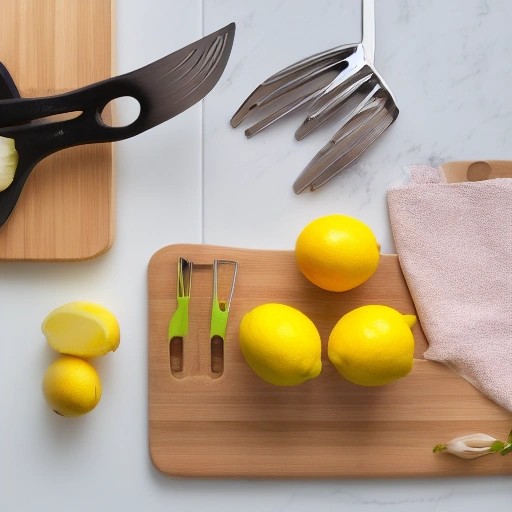
- The Mini Cookware Set: A 6- or 7-inch chef’s knife can handle most tasks without dominating your drawer. A mini baking sheet, like a Nordic Ware ⅛ sheet pan, fits perfectly in a countertop oven.
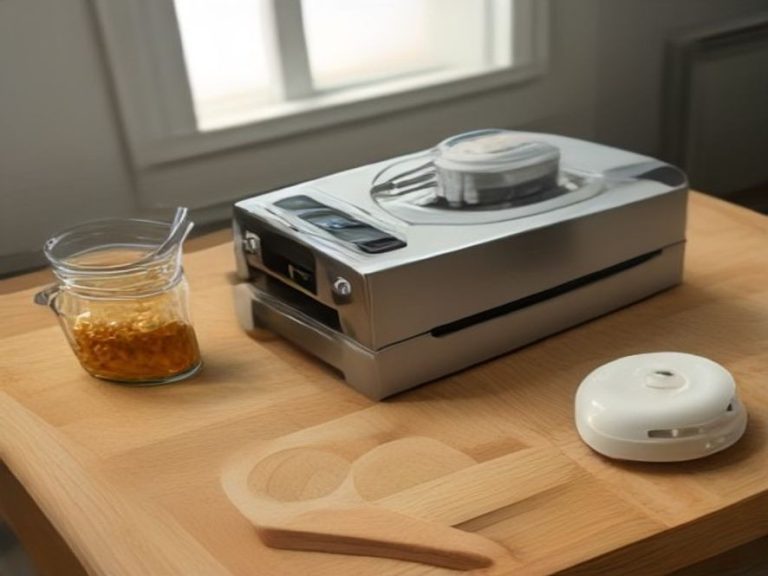
- The Multi-Use Appliance: Consider an induction burner or an air fryer oven. A portable induction burner can serve as a primary stove in a tiny kitchen, while a high-quality toaster oven can bake, roast, and air-fry, replacing a full-size oven.
- The All-in-One Pot: A Dutch oven is the ultimate multi-tasker. It can be used for boiling pasta, simmering soup, or roasting a chicken. It is one of the only pots you truly need.
Comparison Table: Storage Solutions for Pantry-Less Kitchens
| Storage Solution | Purpose | Best For | Cost | Space Needed |
|---|---|---|---|---|
| Rolling Cart | Portable storage for dry goods and small appliances | Flexibility and renters | $30 – $150 | Small gap or corner |
| Pegboard | Hanging storage for pots, pans, and utensils | Utilizing wall space | $20 – $60 | Open wall space |
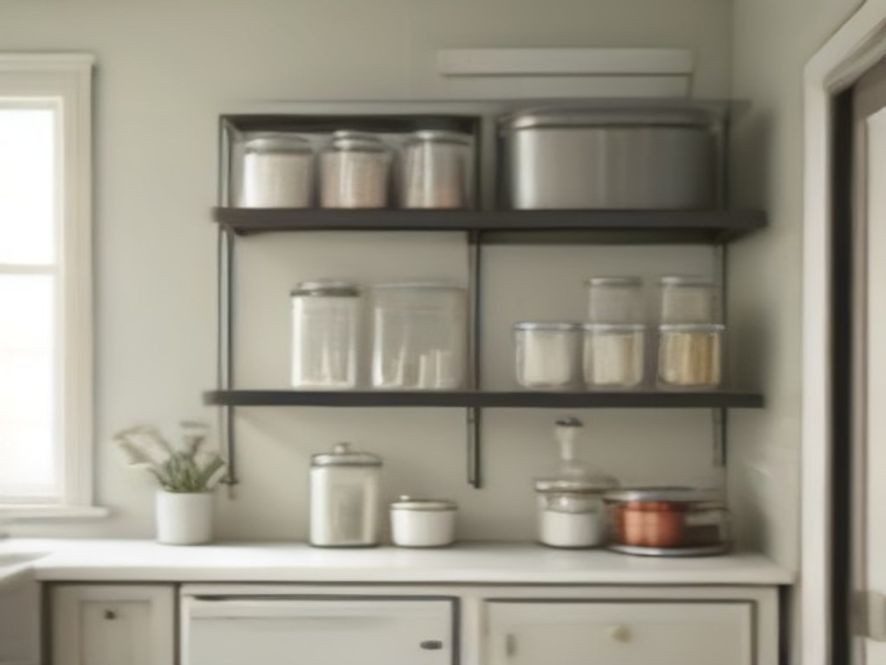
| Clear Canisters | Airtight food storage that is visible and uniform | Dry goods like flour, pasta, and spices | $20 – $100+ | Shelf or countertop |
| Over-the-Door Organizer | Storage for snacks, spices, and packets | Maximizing unused door space | $15 – $40 | Back of a door |
| Lazy Susan | Accessing items in deep cabinets | Oils, sauces, and spices in cabinets | $15 – $50 | Deep cabinet or shelf |
| Floating Shelves | Display and storage for dry goods and cookbooks | A design-forward look | $30 – $100+ | Open wall space |
“You don’t need a traditional pantry. You need a dedicated system for how your home functions.” – Organize With Lia
Step 4: Adopt the Container Strategy
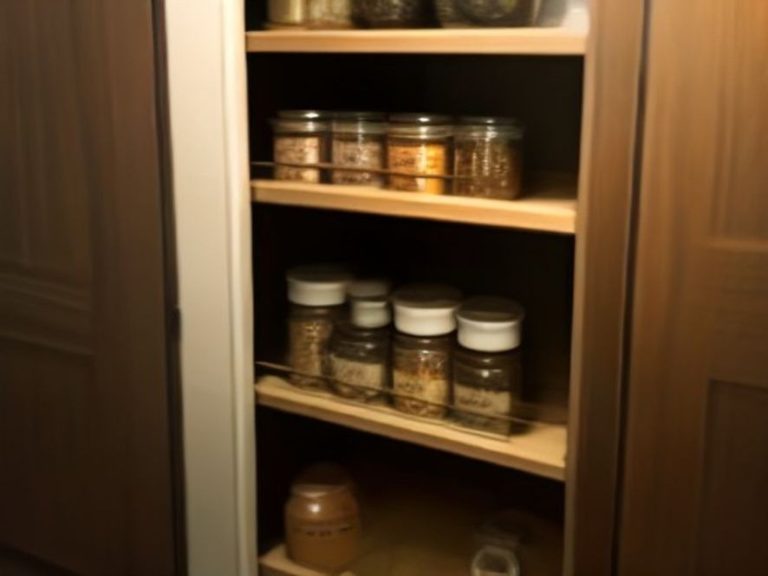
The final piece of the puzzle is how you store your food. Clear, airtight containers are not just aesthetically pleasing—they are a functional necessity.
- Visibility: You can see exactly how much flour or pasta you have left, which prevents you from buying duplicates and wasting food.
- Space Efficiency: Uniform containers stack better than oddly shaped boxes and bags, making the most of your limited space.
- Freshness: Good containers keep your ingredients fresh and protect them from pests.
FAQ: Solving Your No-Pantry Problems
How do I organize a kitchen with absolutely no pantry?
Start by creating a “pantry zone” using a rolling cart or bookshelf. Then, store dry goods in clear containers and use vertical space with wall shelves or pegboards.
What are the best containers for food storage?
Clear, airtight glass or plastic canisters are best. They improve visibility, keep food fresh, and help prevent pests. Transfer your dry goods to these for a uniform look.
How can I save money on kitchen storage?
Repurpose furniture you already have, like an old bookshelf, as a pantry. Install a budget-friendly pegboard for hanging items, and use cheap glass jars to organize dry goods.
What are the most essential tools for a small kitchen?
A good chef’s knife (6-7 inches), a cutting board, a 10-inch skillet, a medium saucepan, and a spatula are all you need to start. A Dutch oven is also a versatile, space-saving pot.
How do I store spices without a pantry?
Use a magnetic rack on the side of your fridge or a drawer organizer to keep spices accessible and off your countertops. An over-the-door organizer also works well.
Can I use a wardrobe as a pantry?
Yes! A freestanding wardrobe like the IKEA Pax is a great option. It adds tons of storage without the need for built-in cabinetry and has adjustable shelves and drawers.
Which kitchen problem do you want solved next? Share your thoughts in the comments.
References
No-Pantry Kitchen Guide: Expert Tips for Storage Solutions and Kitchen Organization