
How to Declutter a Pantry Without Throwing Away Useful Food: A Practical Guide to Reducing Waste and Gaining Space
You open your pantry, feel overwhelmed by the chaos, and think, “I just need to throw everything away and start over.” But that feels wasteful—and expensive. The good news is that you can declutter your pantry without tossing perfectly good food. This guide will show you exactly how to declutter a pantry without throwing away useful food, so you can save money, reduce waste, and finally enjoy an organized space.
TL;DR
Decluttering without waste starts with a complete pantry audit where you sort items into keep, use soon, and donate piles. The secret is creating a “use-first” zone for items nearing expiration and planning meals around what you already have. By consolidating duplicates, decanting into clear containers, and committing to a “shop your pantry first” rule, you’ll use up what you own before buying more. A monthly “eat-down” challenge can help you clear out lingering items and reset your pantry without waste.
Key Takeaways
- Do a Full Audit First: Empty your pantry and sort everything into categories: keep, use soon, donate, and expired (toss only these).
- Create a “Use-First” Zone: Designate a basket or shelf for items nearing expiration so you remember to use them.
- Plan Meals Around What You Have: Before buying groceries, check your pantry and build meals around existing ingredients.
- Consolidate Duplicates: Combine half-empty bags and boxes of the same item into one container.
- Shop Your Pantry First: Make a rule to use what you already own before buying new groceries.
- Try a “Eat-Down” Challenge: Dedicate a week or two to using only what’s in your pantry, fridge, and freezer.
The Real Problem: Decluttering Doesn’t Mean Wasting
Many people avoid decluttering because they think it means throwing away food they paid good money for. But decluttering is actually about using what you have, not wasting it. Understanding this mindset shift is the first step to a successful, waste-free pantry reset.
Why We Accumulate Food We Don’t Use
We buy food with good intentions, but life gets busy. We forget what we have, buy duplicates, and let items get pushed to the back of shelves. This creates a pantry full of food we don’t use, even though it’s still perfectly good.
“The key to a sustainable pantry isn’t about how much you have—it’s about how well you use what you have.”
A Step-by-Step Guide to Decluttering Without Waste
Here is a practical, waste-free plan to declutter your pantry and use up what you already own.
Step 1: Do a Complete Pantry Audit
This is the most important step. You can’t use what you don’t know you have.
- Empty Everything: Take every single item out of your pantry and lay it on your counter . This gives you a clear picture of exactly what you’re working with.
- Check Expiration Dates: Go through each item and sort it into these piles:
- Keep: Items that are unexpired and you’ll definitely use.
- Use Soon: Items that are nearing expiration or you bought a while ago.
- Donate: Unopened, unexpired items you know you won’t use.
- Toss: Only items that are expired, opened and stale, or show signs of spoilage (rust, bulging cans, off smells).
Step 2: Consolidate Duplicates
One of the easiest ways to reduce clutter without waste is to combine half-empty bags and boxes.
- Combine Like Items: If you have three half-empty bags of the same pasta, combine them into one bag or container .
- Transfer to Containers: If you have clear, airtight containers, transfer the combined items into them. This frees up space and makes it easy to see what you have .
- Do This Gradually: You don’t have to decant everything at once. Start with the items you use most often.
Step 3: Create a “Use-First” Zone
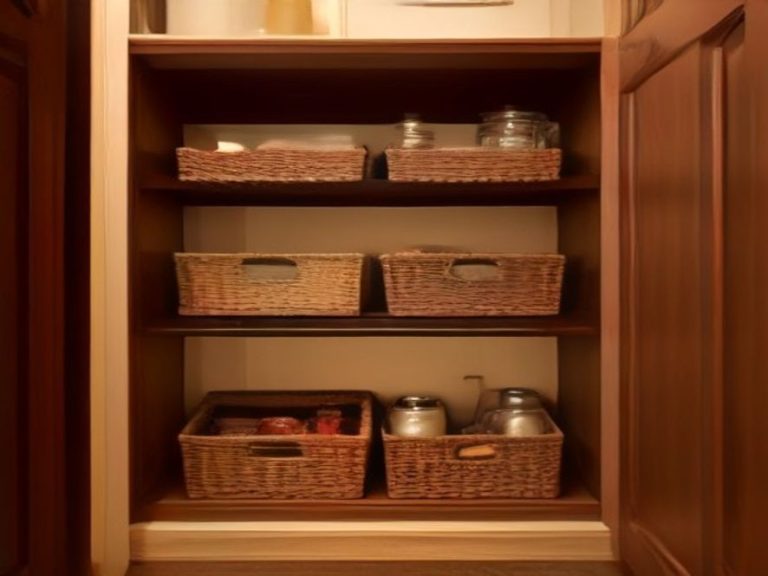
Designate a basket, bin, or shelf spot specifically for items that need to be used soon.
- How It Works: When you find an item nearing expiration, move it to this zone .
- Why It Helps: This gives you a visual reminder of what needs to be used in your next meal plan.
- Keep It Visible: Place this zone at eye level so you see it every time you open the pantry.
Step 4: Plan Meals Around What You Have
Before you make a grocery list, check your “use-first” zone and your pantry inventory.
- Build Meals from Your Pantry: Look at what you have and plan meals around those ingredients . For example, if you have canned tomatoes and pasta, you’re halfway to spaghetti.
- Write Down a List: Make a list of 5-10 meals you can make with what you already have . This helps you use up items instead of forgetting about them.
- Try New Recipes: Search online for recipes using ingredients you have on hand . It’s a great way to use up random items.
Step 5: Shop Your Pantry First
This is a golden rule for reducing waste and keeping your pantry organized.
- Make It a Rule: When you want to buy something, check your pantry first to see if you already have it .
- Avoid Duplicates: This simple habit prevents you from buying items you don’t need .
- Take a Photo: Before you go shopping, take a photo of your pantry shelves. This helps you remember what you have when you’re at the store.
Step 6: Try a “Eat-Down” Challenge
This is a fun and effective way to clear out your pantry without waste.
- How It Works: Dedicate a week or two to eating only what you already have in your pantry, fridge, and freezer . Make a game of it by challenging yourself to use up the most random or forgotten items.
- Get Creative: Use what you have to make different meals, even if they aren’t your usual go-tos.
- The Result: You’ll save money, reduce waste, and gain a much clearer understanding of what you actually need to buy next time.
Step 7: Donate What You Won’t Use
If you have unopened, unexpired items you know you won’t eat, donate them.
- Where to Donate: Local food banks, shelters, or community fridges accept non-perishable food donations.
- Check Guidelines: Make sure items are within their expiration date and unopened .
- Feel Good About It: Donating helps others and removes clutter from your pantry without waste.
Step 8: Store for Freshness
Proper storage keeps food fresh longer, which means less waste.
- Use Airtight Containers: Transfer dry goods like flour, rice, and pasta to clear, airtight containers . This keeps out moisture and pests.
- Store in a Cool, Dry Place: Keep your pantry away from heat sources like the oven .
- Check Expiration Dates Regularly: Make it a habit to check dates when you restock and rotate items using the FIFO method .
Quick Reference: Waste-Free Decluttering
| Step | Action | Why It Matters |
|---|---|---|
| 1. Audit | Empty pantry and sort into keep, use soon, donate, and toss piles | Gives you an accurate inventory and prevents unnecessary waste |
| 2. Consolidate | Combine half-empty bags and boxes of the same item | Saves space and makes it easier to see what you have |
| 3. Use-First Zone | Designate a spot for items nearing expiration | Gives you a visual reminder to use them soon |
| 4. Meal Plan | Plan meals around what you already have | Uses up existing food before buying more |
| 5. Shop Your Pantry | Check what you have before buying groceries | Prevents duplicate purchases |
| 6. Eat-Down Challenge | Dedicate a week to using only what you have | Clears out lingering items without waste |
| 7. Donate | Give unopened, unexpired items to food banks | Removes clutter while helping others |
| 8. Store Properly | Use airtight containers and store in a cool, dry place | Keeps food fresh longer, preventing waste |
What to Toss (and What to Keep)
| Item | Action |
|---|---|
| Expired canned goods | Toss (rust, bulging, or leaking cans must go) |
| Stale chips or crackers | Toss (they won’t taste good) |
| Spices older than 1-2 years | Toss (they’ve lost flavor) |
| Unopened, unexpired items you don’t want | Donate |
| Opened items still fresh | Use soon—put them in your “use-first” zone |
| Bulk items you bought too much of | Find recipes to use them or donate unopened extras |
Frequently Asked Questions
How can I declutter my pantry without wasting food?
Start by doing a full audit and sorting items into keep, use soon, donate, and toss piles. Only toss items that are expired, stale, or spoiled. Use a “use-first” zone and plan meals around what you already have.
What should I do with food I don’t want but is still good?
Donate unopened, unexpired items to a local food bank, shelter, or community fridge.
How do I use up random pantry items?
Search online for recipes that use your specific ingredients. You can also try a “eat-down” challenge where you commit to using only what you have for a week or two.
How can I prevent food waste in the future?
Use the FIFO (First-In, First-Out) method, shop your pantry first before buying groceries, and do a quick weekly check for expiring items.
What is the best way to store dry goods to keep them fresh?
Transfer them to clear, airtight containers and store them in a cool, dry place away from heat sources.
References
Waste-Free Solutions for a Clutter-Free Kitchen:
- Waste360 – Declutter Your Pantry Without Wasting Food
- The Kitchn – Pantry Organization Without Throwing Away Food
- Home Alliance – How to Declutter Your Pantry Without Wasting Food
- Better Homes & Gardens – Pantry Organization Tips
Decluttering your pantry without throwing away useful food isn’t just possible—it’s the smartest way to save money, reduce waste, and feel good about your kitchen. By taking inventory, creating a “use-first” zone, planning meals around what you have, and committing to shop your pantry first, you’ll transform your pantry into a functional, waste-free space.
Which kitchen problem do you want solved next? Share your thoughts in the comments.