How to Organize a Kitchen Cabinet Under the Sink: Simple Solutions for That Messy Space
That cabinet under your kitchen sink often becomes a dark, cluttered dumping ground for cleaning bottles, sponges, and random supplies you forgot you even owned.
You know the struggle. You open the cabinet door and immediately a bottle of cleaner tips over, rolling behind the pipes. You crouch down, reaching blindly into the back, knocking over three more items just to find the dish soap. It’s a frustrating cycle that happens in almost every kitchen. The good news? With a few smart tricks, you can transform this awkward space into an organized, functional zone.
TL;DR:
- The Problem: Plumbing pipes create awkward obstacles, making under-sink cabinets hard to access and easy to clutter.
- The Solution: Use tension rods, pull-out drawers, door-mounted racks, and labeled bins to work around the pipes instead of fighting them.
- The Benefit: You’ll save time, stop buying duplicates, and keep dangerous cleaners safely stored and out of sight.
Key Takeaways
- Measure before you buy. Know your cabinet’s width, depth, and the location of pipes to avoid buying organizers that don’t fit.
- Use vertical space. Door racks, tension rods, and stackable shelves make use of the height that often gets wasted.
- Group by category. Keep cleaning sprays together, dishwashing supplies together, and trash bags together in labeled bins so you can grab what you need fast.
- Consider a pull-out system. A sliding drawer or shelf brings items from the back of the cabinet right to you, eliminating the need to dig.
Why Under-Sink Cabinets Are So Tricky to Organize
The main challenge is the plumbing. The P-trap (that curved pipe) and other water lines take up the middle of the cabinet, making it feel like the space is already half full. This awkward layout often leads people to just shove items wherever they fit.
“Most kitchen problems come from small maintenance habits that are often ignored.”
That’s why having a plan matters. The goal isn’t just to make it look neat—it’s to make it functional so you can find what you need without creating a mess.
How to Fix Your Under-Sink Storage: Best Solutions
1. Declutter and Clean First
Before adding any organizers, empty the cabinet completely. Check expiration dates on cleaners and toss anything too old or nearly empty. Separate items into piles: cleaning sprays, dishwasher supplies, trash bags, sponges, and rarely used items. Wipe down the inside of the cabinet to remove any sticky residue or dust.
2. Use Tension Rods for Spray Bottles
This is one of the easiest and cheapest tricks. Install a tension rod between the cabinet walls, near the front, and hang spray bottles by their triggers. This frees up floor space and keeps bottles upright so they don’t leak or topple over. It’s a simple way to create instant vertical storage for tall items.
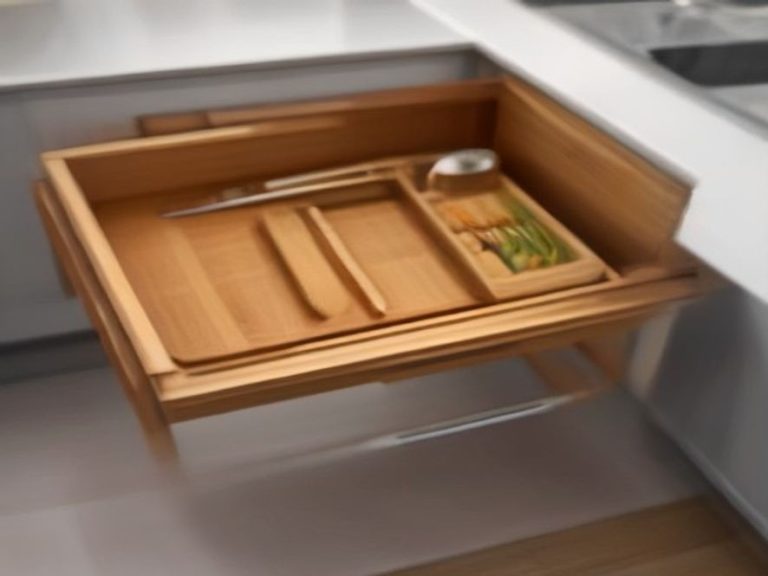
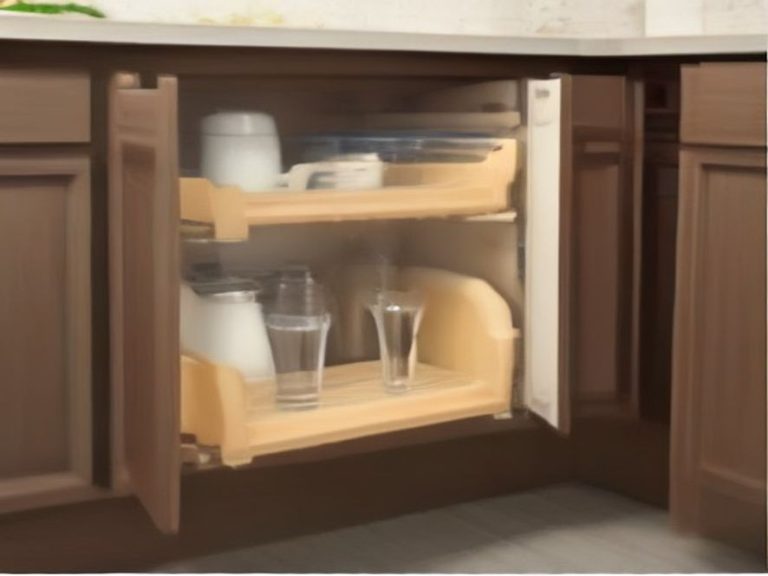
3. Install a Pull-Out Drawer or Shelf
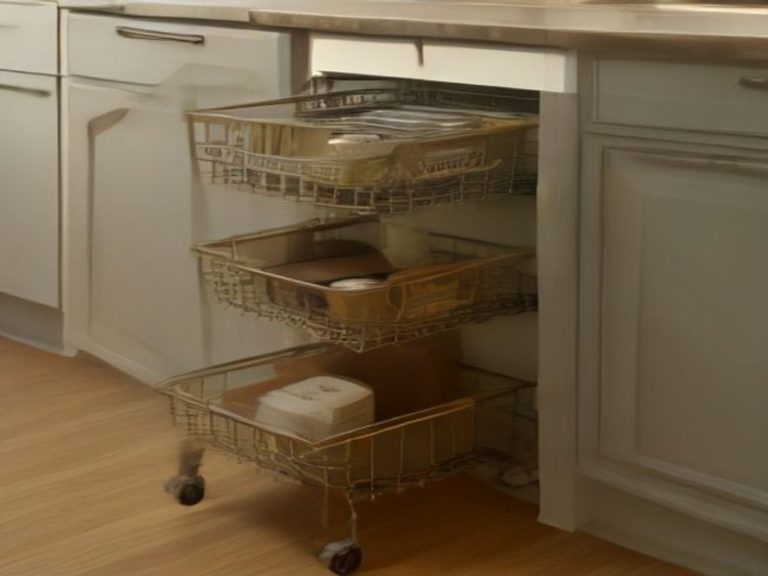
A slide-out organizer makes the back of the cabinet just as reachable as the front. You can buy ready-made units that sit on the cabinet floor and slide out, or even DIY one using plywood and drawer slides. “I use the sliding feature and can see everything without crawling inside.” Just make sure to measure your cabinet’s opening—especially the width, height, and depth—before buying.
4. Make Use of the Inside Door
The cabinet door is prime real estate that often goes unused. Here are a few ideas:
- Over-the-door organizer: Clear pockets hold sponges, gloves, and small bottles.
- Adhesive hooks: Hang rubber gloves or scrub brushes on Command hooks so they dry properly.
- DIY hanging bar: Use a mop holder and a plunger handle from a dollar store to create a bar that holds spray bottles right on the door.
5. Use Stackable Bins and Shelf Risers
Clear, stackable bins are perfect for grouping similar items. One bin for dishwasher pods, another for all-purpose cleaners, another for rags. Labels help everyone in the household know where things go.
Add a small shelf riser to create two tiers in your cabinet. This doubles your usable space and means you can see items in the back without moving everything in the front.
Quick Comparison: Which Storage Solution Works Best?
| Item/Method | Purpose | Effectiveness | Difficulty Level | Cost |
|---|---|---|---|---|
| Pull-Out Drawer | Brings items from the back to the front. | High. Makes everything accessible. | Medium. Requires measuring and assembly. | Medium-High. |
| Tension Rod | Hangs spray bottles vertically. | High. Frees up floor space quickly. | Low. Installs in seconds. | Very Low. |
| Door-Mounted Rack | Uses the inside door for extra storage. | Medium-High. Keeps small items visible. | Low. Often just hooks or adhesive. | Low-Medium. |
| Stackable Bins | Groups items by category. | High. Keeps everything tidy and labeled. | Very Low. Just place and label. | Low-Medium. |
Additional Tips for Long-Term Success
- Store toxic cleaners safely. If you have children or pets, consider keeping dangerous cleaning supplies in a locked box or on a higher shelf. Use a child lock on the cabinet door for extra safety.
- Keep the floor clear. Using the vertical space with racks and rods means the bottom of the cabinet stays empty. This makes it easier to spot leaks before they cause serious damage.
- Check for leaks regularly. The space under the sink is where plumbing issues often show up first. A well-organized cabinet makes it easier to notice drips or pooling water.
Frequently Asked Questions (FAQ)
Why does my under-sink cabinet always smell musty?
Leaks or dampness are usually the cause. Check for drips from the pipes and use a dehumidifier or moisture absorber to prevent mildew.
How do I organize under the sink without drilling holes?
Use tension rods, adhesive hooks, and stackable bins that simply sit on the floor. No tools required!
What is the best way to store tall spray bottles?
Hang them on a tension rod by their triggers or place them upright in a pull-out drawer so they don’t tip over.
Can I use a lazy Susan under the sink?
Yes, but choose a smaller one that fits between the pipes. A large one may not rotate fully because of the plumbing obstacle.
What should I put in under-sink storage?
Kitchen cleaners, dish soap, sponges, dishwasher pods, trash bags, and gloves. Keep food items elsewhere—they don’t belong near cleaning chemicals.
Is a pull-out organizer worth the money?
Yes. It saves time and frustration by making everything accessible. You’ll stop buying duplicates of items you couldn’t find.
Which kitchen problem do you want solved next? Share your thoughts in the comments.
More Kitchen Organization Ideas and Home Solutions: