How to Organize a Kitchen Cabinet Under the Sink Without Wasting Space: Smart Solutions for That Awkward Area
That cabinet under your kitchen sink is probably one of the most wasted spaces in your entire home—but with the right approach, it can become a storage powerhouse.
You open the door and immediately a bottle of all-purpose cleaner tips over, rolling behind the pipes. You crouch down, reaching awkwardly around the plumbing, knocking over three more items just to find the sponge refill. It’s frustrating, it wastes time, and it means you’re probably buying duplicates of things you already own but can’t find. The space under the sink is tricky because of those pipes, but it doesn’t have to be a disaster. With a few smart organizers and a clear plan, you can turn this awkward cabinet into one of the most functional storage spots in your cooking space.
TL;DR:
- The Problem: Plumbing pipes create obstacles that waste usable space and make items hard to reach.
- The Solution: Use vertical space with tension rods and door racks, add pull-out drawers to reach the back, and group items in labeled bins.
- The Strategy: Measure carefully, declutter first, and choose organizers that work around the pipes instead of fighting them.
Key Takeaways
- Measure your cabinet’s interior—including height, width, depth, and pipe locations—before buying any organizers.
- Use the door for lightweight items like sponges and gloves to free up floor space.
- Tension rods are a cheap hack for hanging spray bottles vertically.
- A pull-out drawer brings items from the back to the front, eliminating the need to reach blindly.
- Labeled bins keep categories separate so you always know where things belong.
Why Under-Sink Space Gets Wasted and How to Fix It
The main reason this cabinet feels impossible to organize is the plumbing. The P-trap (that curved pipe) takes up the middle, and water supply lines snake around the sides. This creates an awkward L-shaped or U-shaped space that doesn’t work well with standard shelves or bins.
“Most kitchen problems come from small maintenance habits that are often ignored.”
Without a plan, people just shove bottles and bags wherever they fit. The back of the cabinet becomes a dead zone. Items get pushed behind the pipes and forgotten. That’s wasted space and wasted money.
The fix is simple: stop trying to organize the cabinet as a single big box. Instead, break it down into zones and use organizers that fit around the obstacles.
Step-by-Step Guide to Organizing Under the Sink
Step 1: Empty, Declutter, and Clean
Start fresh. Pull everything out of the cabinet. Sort items into piles:
- Cleaning sprays and all-purpose cleaners
- Dishwashing supplies (pods, liquid, rinse aid)
- Sponges, scrub brushes, and gloves
- Trash bags and recycling bags
- Rarely used items (extra bottles, specialty cleaners)
Check expiration dates on cleaners and toss anything old, nearly empty, or that you never use. Be honest with yourself—if you haven’t used it in a year, you probably won’t.
Wipe down the cabinet interior with a damp cloth to remove dust, sticky residue, or any signs of leaks. This is also a good time to check for drips from the pipes.
Step 2: Measure Everything
Before buying any organizers, measure:
- Cabinet width (left to right inside the box)
- Cabinet depth (back wall to front opening)
- Clearance height (floor to the bottom of the sink)
- Pipe locations (where the P-trap is and how much space it takes up)
Many people make the mistake of buying organizers that are too tall or too wide and then can’t use them at all.
Step 3: Use the Door for Lightweight Storage
The cabinet door is prime real estate that most people ignore. Use it for small, lightweight items:
- Over-the-door clear pockets hold sponges, gloves, and small scrub brushes
- Adhesive hooks hang rubber gloves so they can drip-dry
- A small wire rack with hooks attaches to the door for spray bottles (check weight limits first)
This keeps the cabinet floor clear for larger items and makes it easy to grab frequently used supplies.
Step 4: Hang Spray Bottles with a Tension Rod
This is one of the most popular and cheapest tricks. Install a tension rod between the cabinet walls, near the front, and hang spray bottles by their trigger handles. This gets them off the floor and keeps them upright so they don’t leak or fall over.
It’s amazing how much space this frees up for almost no cost.
Step 5: Install a Pull-Out Drawer or Sliding Tray
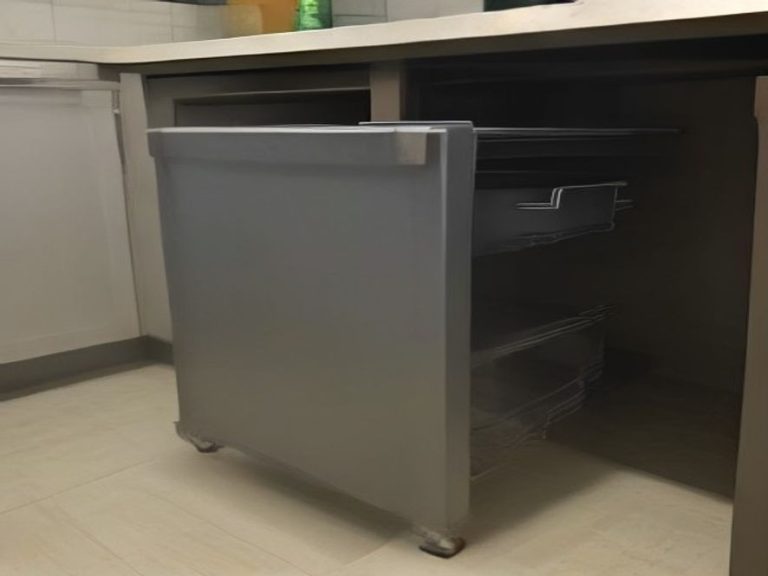
If you want full access to the back of the cabinet, a pull-out drawer or sliding tray is the best investment. These sit on the cabinet floor and slide forward on heavy-duty tracks. You can buy ready-made units or build your own with plywood and drawer slides.
Why this works:
- Brings items from the very back to the front
- Makes everything visible at a glance
- Saves you from crouching and reaching blindly
Note: Choose a model that fits your cabinet’s dimensions and the location of your pipes. Some sliding trays have cutouts specifically designed to fit around plumbing.
Step 6: Use Stackable Bins and Shelf Risers
For the items that stay on the cabinet floor, use clear, stackable bins to group similar items. One bin for dishwasher pods, another for all-purpose cleaners, another for rags and scrubbers. Label each bin clearly so everyone in the household knows where things go.
Add a small shelf riser in areas where pipes allow. This doubles your usable space by creating two tiers for smaller items like sponges and brushes.
Step 7: Store Rarely Used Items at the Back
The back of the cabinet is still useful—just not for daily items. Put your least-used supplies there:
- Extra bottles of cleaning solution
- Specialty cleaners (stainless steel polish, granite cleaner)
- Seasonal items like holiday kitchen towels
Since you don’t need these often, it’s okay if they require a bit more reaching.
Quick Comparison: Which Organizer Is Best?
| Item/Method | Purpose | Effectiveness | Difficulty Level | Cost |
|---|---|---|---|---|
| Pull-Out Drawer | Brings back items to the front | Very High. Full access to everything | Medium. Requires measuring and mounting | $40-$120 |
| Tension Rod | Holds spray bottles vertically | High. Frees up floor space instantly | Very Low. Installs in seconds | $5-$15 |
| Door-Mounted Rack | Stores lightweight items on the door | Medium-High. Great for sponges and gloves | Low. Hooks or adhesive | $10-$30 |
| Stackable Bins | Groups items by category | High. Keeps everything tidy | Very Low. Just place and label | $5-$25 per bin |
| Shelf Riser | Creates two-tier storage | Medium. Works where pipes allow | Very Low. Just place and stack | $10-$20 |
Common Mistakes to Avoid
- Not measuring before buying. The most common cause of frustration. Organizers that don’t fit are useless.
- Forgetting about the pipes. A bin that looks like it fits may actually bump against the P-trap when you slide it in. Always account for pipe location.
- Overloading the door. Door-mounted racks have weight limits. Too many heavy bottles can damage the hinges.
- Ignoring safety. Store cleaning chemicals and dishwasher pods in secure, child-proof locations if you have young children at home.
- Storing food under the sink. Cleaning supplies and food don’t mix. Keep food items in a separate pantry or cabinet.
Additional Tips for Long-Term Success
- Check for leaks regularly. A well-organized cabinet makes it easier to spot drips or pooling water before they cause serious damage.
- Use moisture absorbers. Under-sink areas can get humid. A small dehumidifier or moisture-absorbing packet helps prevent mold and mildew.
- Refresh your system seasonally. Every few months, pull everything out, wipe down the surfaces, and reassess whether your organization system still works for your needs.
Frequently Asked Questions (FAQ)
Why does my under-sink cabinet always feel cramped?
The plumbing pipes take up valuable floor and wall space, making it harder to use standard storage solutions.
How do I organize under the sink without drilling holes?
Use tension rods, adhesive hooks, and stackable bins that simply sit on the floor. No tools required.
What is the best way to store tall spray bottles?
Hang them on a tension rod by their trigger handles or place them upright in a pull-out drawer so they don’t tip over.
Can I use a lazy Susan under the sink?
Yes, but choose a smaller one that fits between the pipes. Large rotating trays may not spin fully because of the plumbing obstacles.
What should I put in under-sink storage?
Kitchen cleaners, dish soap, sponges, dishwasher pods, trash bags, and gloves. Keep food items elsewhere—they don’t belong near chemicals.
Is a pull-out drawer worth the money?
Yes. It saves time and frustration by making everything accessible. You’ll stop buying duplicates of items you couldn’t find.
Which kitchen problem do you want solved next? Share your thoughts in the comments.
More Kitchen Organization Ideas and Home Maintenance Tips: