
How to Store More in a Small Kitchen Without Adding Cabinets: Practical Solutions That Work
That moment you realize every cabinet is packed, every drawer is stuffed, and you still have groceries sitting on the counter with nowhere to go.
If you’ve ever felt like your small kitchen is bursting at the seams, you’re not alone. The good news? You don’t need to install expensive new cabinets to create more storage. With a few smart strategies, you can unlock hidden space in your kitchen using walls, doors, and even the ceiling. Let’s explore the best ways to store more without adding a single cabinet.
TL;DR
- Your Walls Are Prime Real Estate: Install open shelves, pegboards, and magnetic strips to free up counters and drawers .
- Think Mobile: Rolling carts and islands add storage and prep space without permanent installation .
- Use Every Surface: Doors, the side of your fridge, and even the ceiling can become valuable storage zones .
- Go Vertical: Tiered shelves and stackable containers double your capacity inside existing cabinets .
- Clear Containers Save Space: Transfer dry goods into uniform, stackable containers to reduce wasted space and keep things visible .
Why You Don’t Need More Cabinets
The problem isn’t usually a lack of cabinets—it’s a lack of creativity with the space you already have . Walls often sit empty, doors go unused, and that awkward gap beside the fridge collects dust instead of storage. Small kitchens reward clever thinking, not more construction . By shifting items out of cabinets and onto walls, you can free up enclosed storage for things that truly need protection .
Smart Solutions: How to Fix Your Storage Problem
1. Open Shelving with Purpose
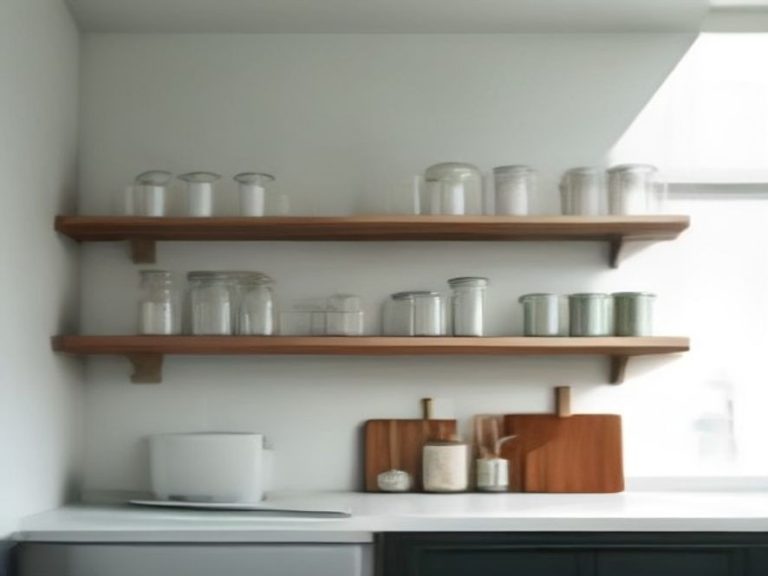
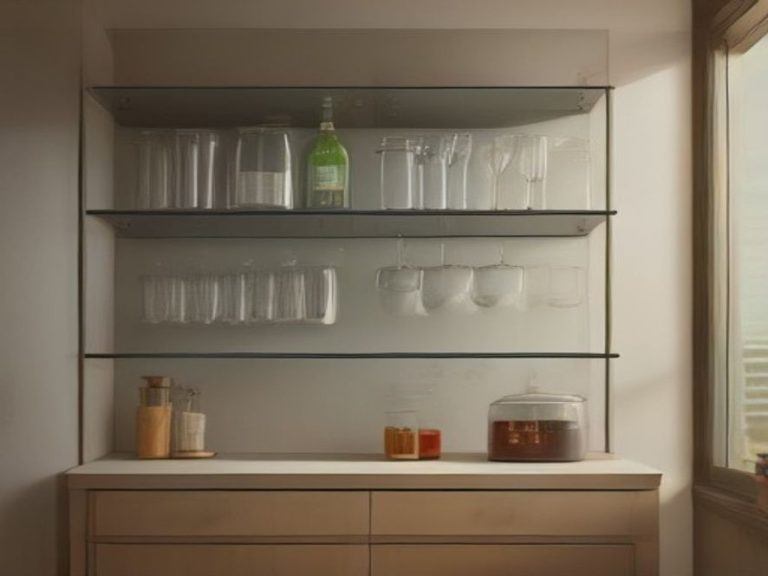
Open shelves are one of the most effective ways to add storage without cabinets . They keep everyday items within reach and make the kitchen feel more open. The key is to use them intentionally—store matching jars, dishes you use daily, and a few decorative pieces .
*Tip: *Reserve one shelf for everyday essentials and use baskets to hide less attractive items* .
2. Wall-Mounted Rails and Hooks
A simple rail system can transform a blank wall into a storage powerhouse. Hang utensils, pots, pans, and even small baskets from S-hooks . This keeps tools visible and accessible while clearing out drawers . For renters, adhesive rail systems are available that don’t require drilling.
3. Magnetic Strips for Knives and Tools
A magnetic knife strip is one of the easiest ways to free up counter space. Mount one near your prep area for knives, scissors, and metal spice tins . This reduces drawer clutter and keeps essential tools at your fingertips .
4. Rolling Carts and Mobile Islands
A rolling cart is probably the most flexible storage solution for a small kitchen . It adds both storage and prep space, and you can move it wherever you need it. Look for one with shelves, drawers, and a butcher block top that doubles as a cutting surface . When you’re done cooking, simply roll it against a wall or into a corner .
5. Pegboard for Customizable Storage
Pegboards are incredibly versatile. Install one on a wall and use hooks, baskets, and shelves to hold everything from pots to utensils to cutting boards . The setup can be rearranged anytime as your needs change, and you can paint it to match your kitchen’s style .
6. Over-the-Door Organizers
The inside of your cabinet doors is free storage space you’re probably not using . Hang an over-the-door organizer for spices, cleaning supplies, or foil and wrap boxes . Most hang without tools and take just minutes to install.
7. Ceiling-Mounted Pot Racks
When wall space is limited, look up. A ceiling-mounted pot rack frees up cabinet space while turning your cookware into a design feature . Just make sure you anchor it securely into ceiling joists .
8. Use the Side of Your Refrigerator
The side panel of your fridge is an underutilized surface. Install magnetic racks or adhesive organizers to hold spices, paper towels, or cutting boards . This creates functional storage without taking up floor or counter space.
9. Maximize Existing Cabinet Space
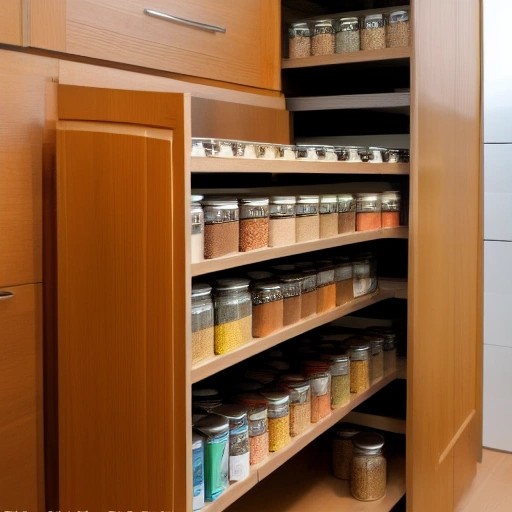
Before giving up on your current cabinets, make them work harder. Install pull-out shelves to access deep cabinet depths , add tiered risers to double shelf capacity , and use clear stackable containers to keep dry goods visible .
Storage Solutions Comparison
| Method | Best For | Effectiveness | Difficulty Level | Approx. Cost |
|---|---|---|---|---|
| Open Shelves | Dishes, jars, daily items | High | Easy | Low |
| Wall-Mounted Rails | Utensils, pots, towels | Very High | Easy | Low |
| Magnetic Strips | Knives, metal tools | High | Very Easy | Low |
| Rolling Cart | Extra prep space, pantry items | High | Very Easy | Low to Medium |
| Pegboard | Versatile hanging storage | Very High | Easy | Low |
| Ceiling Pot Rack | Cookware, bulky items | High | Medium | Medium |
| Door Organizers | Spices, small supplies | Medium-High | Very Easy | Low |
Step-by-Step Guide: Add Storage Without Cabinets
- Declutter First: Empty your cabinets and counters. Toss anything you haven’t used in a year. The space you create is as important as the storage you add .
- Identify Your Walls: Walk through your kitchen and note every blank wall, empty corner, and unused surface. These are your new storage zones .
- Choose One Solution: Start with a single project—a rail system, a magnetic strip, or a rolling cart. Don’t try to do everything at once .
- Group by Task: Store items where you use them. Keep coffee supplies near the coffee maker, spices near the stove, and cleaning supplies under the sink .
- Use Clear Containers: Transfer dry goods into clear, stackable containers . This saves space, keeps food fresh, and lets you see what you have.
- Maintain the System: Spend a few minutes each week putting things back where they belong. A quick monthly check for expired items keeps your system working .
FAQ: Your No-Cabinet Storage Questions, Answered
1. Can I really have enough storage without cabinets?
Yes. With strategic use of walls, mobile carts, and smart containers, you can create more functional storage than you’d expect .
2. What’s the best way to store pots without cabinets?
Use a wall-mounted pot rack, ceiling rack, or sturdy pegboard . Just make sure anchors are in studs or use heavy-duty hardware for weight support .
3. Are open shelves hygienic for dishes?
Yes, if you keep items clean and dust occasionally. Using closed jars for dry goods helps maintain hygiene and visual order .
4. Can renters add storage without drilling?
Absolutely. Use adhesive hooks, magnetic racks, rolling carts, and over-the-door organizers that don’t require permanent changes .
5. How do I keep open shelving from looking messy?
Use matching containers, limit the number of displayed items, and assign each shelf a purpose . Reserve lower shelves for daily items and higher ones for less-used pieces .
6. What’s the cheapest way to add kitchen storage?
A pegboard, magnetic strip, and a few clear containers can be set up for under $50 and make a huge difference .
Conclusion
Adding storage to a small kitchen without installing new cabinets is not only possible—it’s often more effective than traditional solutions. Walls, doors, ceilings, and mobile carts all offer space that’s waiting to be used. Start with one solution, see how it transforms your cooking space, and build from there. Your kitchen has more storage than you think—you just need to look in the right places.
Remember: The best storage system is one you’ll actually maintain. Keep it simple, keep it accessible, and your small kitchen will feel much bigger.
Which storage solution are you most excited to try? Share your thoughts in the comments.
More kitchen storage guides and expert tips: