How to Organize Open Food Packages in Your Pantry
You reach for a bag of chips, and three half-empty bags of different flavors tumble out, followed by a box of crackers with the inner bag gaping open.
Open food packages are the silent chaos agents of any pantry. They take up space, go stale, attract pests, and make it nearly impossible to keep track of what you actually have. This guide will show you practical solutions to manage open packages so they stay fresh, visible, and organized.
TL;DR
Managing open food packages is all about smart sealing, proper storage containers, and a simple system. Use airtight containers for dry goods, seal bags with clips or folding techniques, and separate everyday items from back-stock. Regular cleanouts prevent forgotten packages from taking over your shelves.
Key Takeaways
- Decant Dry Goods: Transfer cereal, pasta, flour, and rice to clear, airtight containers to keep them fresh and visible.
- Use Clips or Folding Tricks: Seal open bags with clips, pegs, or clever folding methods to prevent staleness.
- Separate Open from Unopened: Keep open items in a designated zone so you finish them before opening new packages.
- Don’t Store in Open Cans: Transfer leftovers from opened cans to airtight containers and refrigerate.
- Regular Pantry Cleans: Check expiration dates and consolidate multiple open packages at least every few months.
What’s the Real Problem with Open Packages?
Open packages are a pantry problem for three reasons: they waste space, they waste food, and they attract pests. When you have two partially open bags of the same cereal, you’re using up twice the shelf room. When those chips go stale, you’re throwing away money. And those half-open bags of pasta or crackers? They’re a magnet for pantry moths.
“Pantry moths thrive on open packages of grains, pasta, and nuts. Proper sealing isn’t just about freshness—it’s about pest prevention.”
Simple Solutions to Keep Open Packages Fresh
Solution #1: Decant into Airtight Containers
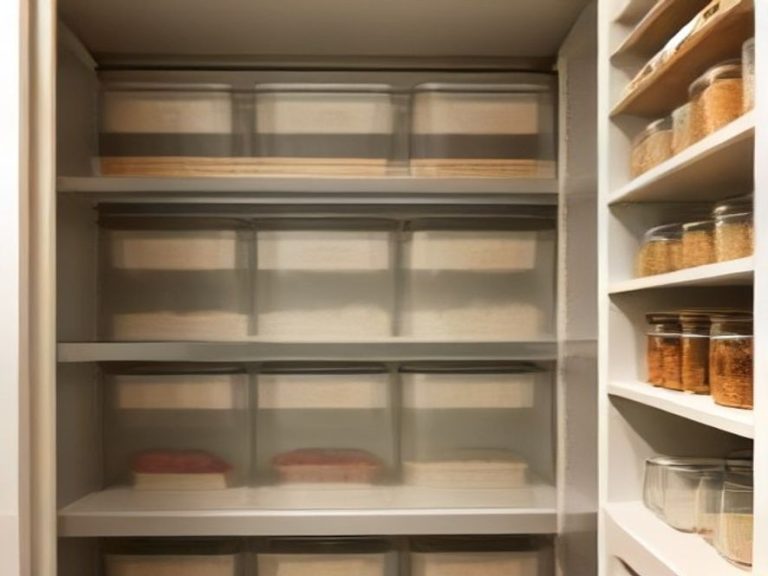
The best way to deal with an open package is to move its contents into a proper container. Clear, airtight jars or bins let you see exactly how much you have left and keep food fresh for much longer. Square containers are especially great because they save shelf space compared to round ones.
Focus on the items you use slowly, like flour, sugar, rice, and specialty pasta. If you go through a box of cereal in three days, you probably don’t need to decant it. But if it takes you two weeks, an airtight container will keep it crunchy.
Solution #2: Master the Art of Resealing
Not everything needs to go into a container. For bags of chips, crackers, or snacks you’ll finish soon, proper resealing works great.
- Clips and Pegs: Fold the top of the bag down and clip it shut. Standard wooden or plastic pegs work perfectly.
- The Fold-and-Tuck Method: For cereal boxes, fold one flap inside, pinch the sides, and tuck the other flap into the gap. For chip bags, fold the top down twice, bend the corners inward, and flip the folded part under the bag.
- Rubber Bands: A simple rubber band wrapped around the folded top of a bag works in a pinch.
Solution #3: The Open Package Zone
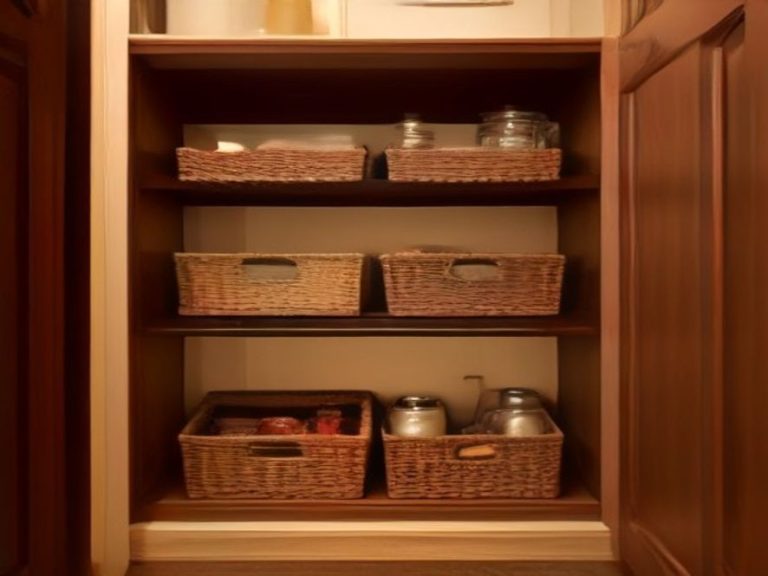
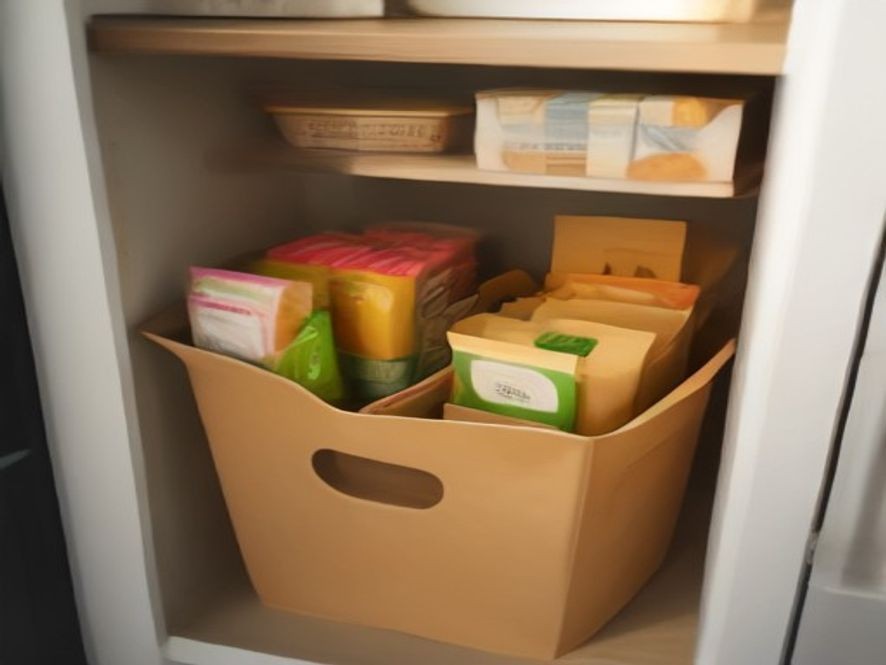
One smart trick is to separate open packages from unopened ones. Designate a bin or a specific shelf section exclusively for items that have been opened.
This creates a “finish me first” zone. When you need a snack, you grab from here. When this zone is empty, you can open a fresh package from your unopened stock. This simple rule prevents the “five open bags of the same snack” problem.
What to Do with Specific Open Foods
Dry Goods (Pasta, Rice, Cereal): These are best decanted into airtight containers. Open packages are especially vulnerable to pests and staleness.
Snacks (Chips, Crackers, Cookies): Clip or fold the bag tightly. If you buy in bulk, consider decanting family-sized packages into multiple smaller containers so you only open what you need.
Canned Goods: Never store leftovers in the opened can. Transfer the contents to a glass or plastic airtight container and refrigerate. Most opened canned goods last 3-4 days in the fridge.
Nut Butters and Jams: Wipe the rim clean before resealing to prevent sticky buildup. Store natural nut butters in the fridge after opening to prevent separation.
Spices and Extracts: Keep them tightly sealed and stored in a dark place. Vanilla extract can last up to a year after opening if sealed properly.
Step-by-Step Guide to Organizing Open Packages
1. Empty and Sort
Take everything out of your pantry. Group all open packages together so you can see what you have. Consolidate multiples: if you have two half-open bags of the same snack, combine them into one bag and toss the other.
2. Check and Toss
Check expiration dates on every package. If it’s expired, toss it. If a snack is stale or you know you won’t finish it, get rid of it. This is the hardest but most important step.
3. Decant or Reseal
Decide which items to put in containers and which to reseal in their original packaging. Transfer dry goods into clear, airtight containers. Reseal snack bags with clips or the fold-and-tuck method.
4. Designate Your Zones
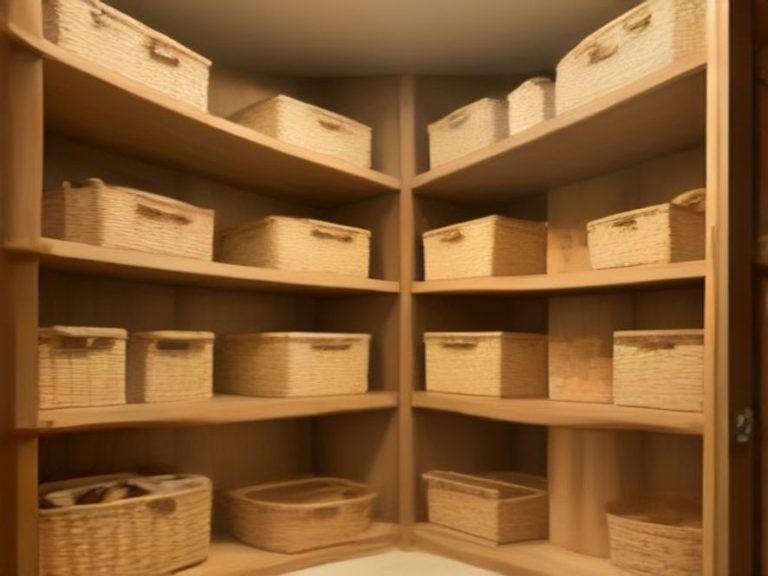
Create a clear “open items” zone. This can be a bin, a basket, or a specific shelf section. All open packages live here. Keep unopened items on other shelves or in separate bins.
5. Label Everything
Labels are non-negotiable. Mark containers with what’s inside and the date you opened it. This helps you track freshness and reminds you to finish things before they expire.
Pantry Storage: Open vs. Unopened
| Item Type | Open Storage Method | Freshness Duration (Opened) | Key Tip |
|---|---|---|---|
| Dry Cereal | Airtight container or well-sealed bag | 2-3 months | Fold inner bag liner down |
| Pasta/Rice | Airtight container | Up to 6 months | Square containers save space |
| Chips/Crackers | Clip or fold-and-tuck bag | 1-2 weeks (peak freshness) | Finish within a week for best crunch |
| Canned Goods | Transfer to airtight container, refrigerate | 3-4 days | Never store in the opened can |
| Nut Butters | Tightly sealed, pantry or fridge | 2-3 months (pantry) | Refrigerate natural varieties |
Frequently Asked Questions
Q: How do I keep opened cereal crunchy?
A: Transfer it to an airtight container or clip the bag shut tightly. Folding down the bag liner also helps reduce air exposure.
Q: Can I store food in opened cans?
A: No. Transfer leftovers to an airtight glass or plastic container and refrigerate within two hours of opening.
Q: How do I organize open snacks without containers?
A: Use a designated bin or shelf section for all open items and seal bags with clips, pegs, or the fold-and-tuck method.
Q: Why do I have so many half-open packages?
A: This happens when you don’t have a system for finishing items before opening new ones. Creating a separate “open items” zone solves this.
Q: How long do open packages of pasta stay fresh?
A: If stored in an airtight container, dried pasta can stay fresh for up to 6 months. In an open box, it’s prone to staleness and pests.
Q: How often should I clean out my pantry?
A: A full clean-out every six months is recommended, with quick maintenance cleans every few weeks.
Conclusion: A System That Works
Organizing open packages doesn’t have to be complicated. The key is simple: seal them well, know where they are, and finish them before opening new ones. A little upfront effort in setting up a system will save you money, reduce waste, and make your pantry a calm, functional space.
Which open-package challenge bugs you most? Share your thoughts in the comments below!
References & Further Reading