How to Organize a Pantry Without Using Plastic Containers
Glass jars, metal baskets, and a little creativity can give you a beautifully organized pantry without a single plastic bin in sight.
If you’re trying to cut down on plastic in your kitchen, you might think you’re stuck with a messy pantry. But glass and metal solutions aren’t just better for the environment—they often look better, last longer, and let you see exactly what you have.
Why Choose Glass and Metal Over Plastic
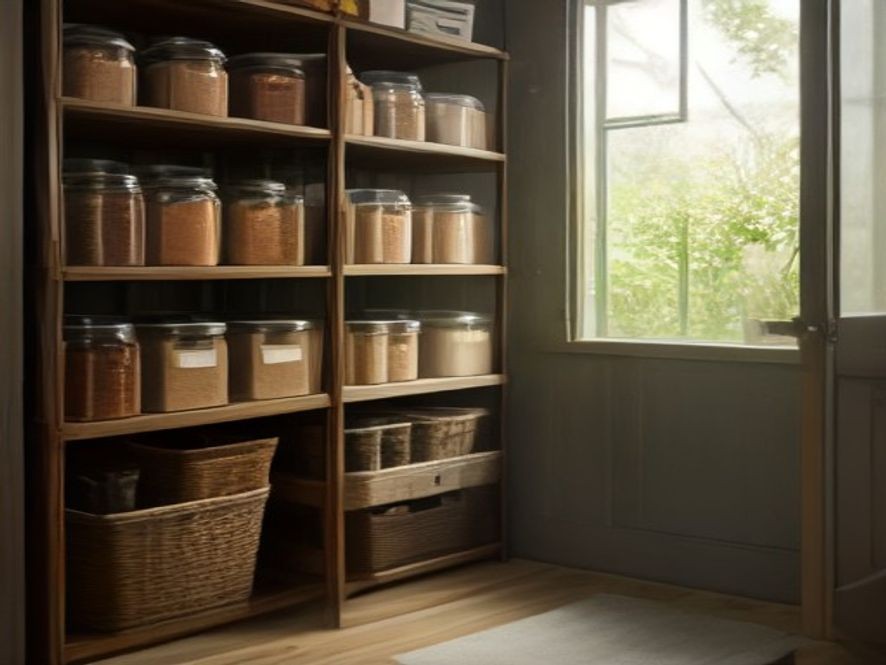
Glass containers have been a pantry staple for decades, and for good reason . They’re non-reactive, completely see-through, and infinitely recyclable . Unlike plastic, they won’t absorb odors or stain from foods like tomato sauce. And when you can see exactly what’s inside, you stop buying duplicates and wasting food.
Martha Stewart’s pantry, featured in a 1998 television clip, showcases glass jars for everything from sugar and vanilla beans to dried beans and spices . Everything is clearly visible, making it easy to see what you have and what you need.
Step-by-Step: Building a Plastic-Free Pantry
Step 1: Start With What You Have
Before you buy anything, look at what you already own. Pasta sauce jars, pickle jars, and other glass food containers can be washed and reused . This saves money and keeps perfectly good jars out of the recycling bin.
A quick DIY trick: If you want mismatched jars to look coordinated, paint their lids the same color. One homeowner used leftover paint to turn a collection of grocery store jars into a cohesive, stylish storage system . The painted lids create visual unity without the need for plastic containers.
Step 2: Choose the Right Glass Containers
When you do buy containers, opt for glass over plastic. Here’s what to look for:
Square or rectangular shapes save space because they fit together closely, unlike round jars that waste shelf space . Anchor Hocking makes affordable rectangular glass containers in various sizes .
Airtight seals keep food fresh. Look for containers with silicone gaskets or rubber seals around the lids . Martha Stewart notes that Mason jars with rubber seals are excellent for keeping contents fresh longer .
Glass with bamboo or metal lids are common plastic-free options. Some sets feature wood lids with silicone rings for an airtight seal . Keep in mind that some reviewers note certain glass containers with wood lids are not completely airtight, so if freshness is critical for what you’re storing, test one before buying a whole set .
For bulk items, look for large square glass canisters. One brand offers a 2.1-liter square glass jar with a bamboo lid that’s stackable and BPA-free .
Step 3: Don’t Forget Silicone
Silicone is a practical alternative to plastic bags for flexible storage. Stasher bags, made from thick, durable silicone, mimic single-use plastic bags but are reusable and dishwasher-safe . They have a tight seal and work in the fridge, freezer, microwave, and oven.
Step 4: Use Metal Baskets for Groups
Wire and metal baskets are another plastic-free solution that’s both functional and attractive. The NEAT Method experts recommend perforated metal baskets because they conceal items inside while adding visual texture to shelves .
What metal baskets are good for:
- Containing snack packets and bags
- Holding produce (wire baskets allow airflow)
- Grouping lightweight packaged goods
Stackable wire baskets let you maximize vertical space, and their open design makes it easy to see what’s inside . Many come with removable liners for easy cleaning.
A word on natural fiber baskets: While woven baskets look beautiful, experts recommend avoiding them in pantries because they can attract pests like weevils and moths . Stick with metal or glass instead.
Step 5: Organize With Trays, Not Plastic Bins
One organizer who tried using plastic bins found they didn’t work as expected—cans didn’t fit properly, and the look didn’t match her vintage kitchen style . Instead, she switched to trays, which worked better for canned goods because they sit flat and look cleaner.
A surprising hack: A large metal tray can serve as a “drawer” on a shelf—you can gently twist it to see what’s on the other side without pulling everything off the shelf .
Comparison: Plastic vs. Plastic-Free Pantry Storage
| Material | Pros | Cons | Best Uses |
|---|---|---|---|
| Glass jars | See-through, non-reactive, endless reuse | Heavy, can break, more expensive upfront | Flour, sugar, rice, pasta, beans, spices |
| Metal baskets | Durable, breathable, stackable | Not airtight, can rust if not coated | Snacks, produce, packaged goods |
| Silicone bags | Flexible, reusable, dishwasher-safe | Can be pricey, limited shapes | Snacks, leftovers, small portions |
| Plastic bins | Lightweight, cheap, shatterproof | Not sustainable, can stain/absorb odors | Out of favor for plastic-free kitchens |
Zones for a Plastic-Free Pantry
Organizing by category works the same whether you use glass or plastic:
- Staples and grains — rice, pasta, flour, sugar in clear glass containers
- Canned goods — grouped by type with labels facing out
- Snacks — in metal baskets or silicone bags
- Baking supplies — flour, sugar, cocoa in glass jars
- Spices — small glass jars, arranged alphabetically or by cuisine
Labeling Without Plastic
Skip the plastic label makers. Here are plastic-free alternatives:
- Chalk markers — write directly on glass jars and wipe off when you change contents
- Washi tape — removable and reusable, with a marker for labeling
- Paint marker on metal lids — durable and easy to read
FAQ: Plastic-Free Pantry Organization
1. Are glass containers better than plastic for pantries?
Glass is see-through, non-reactive, and doesn’t absorb odors or stains. It’s infinitely recyclable and doesn’t leach chemicals into food . Plastic can stain, absorb odors, and may contain BPA or other chemicals .
2. Can I use Mason jars for everything in my pantry?
Mason jars are excellent for dry goods. Martha Stewart recommends them because their rubber seals keep contents fresh longer . They work well for rice, pasta, spices, and baking supplies.
3. What’s the best alternative to plastic baggies?
Stasher silicone bags are a popular reusable alternative that’s durable and dishwasher-safe . They come in various sizes and work in the fridge, freezer, microwave, and oven.
4. How do I avoid buying expensive glass containers?
Start by reusing glass jars from grocery purchases like pasta sauce, pickles, and salsa . You can paint the lids to make mismatched jars look coordinated . Buy new containers gradually rather than all at once .
5. Are wire baskets good for pantries?
Yes. Open metal baskets let you see what’s inside, they’re breathable, and they add visual texture . They work well for produce, snacks, and packaged goods.
Start Your Plastic-Free Pantry Today
A plastic-free pantry isn’t just about sustainability—it’s also about creating a space that’s more functional and beautiful. Start by reusing the glass jars you already have, then invest in a few quality glass containers and metal baskets as your budget allows.
Take it slow: Buy a few pieces in different shapes first to see what works for your shelves . A pantry is always changing, so flexible, scalable solutions work best.
Which plastic-free storage solution are you excited to try first? Share your thoughts in the comments.
How to Organize a Pantry Without Using Plastic Containers: Glass and Metal Storage Solutions for a Sustainable Kitchen