How to Organize Bulk Food in a Small Pantry: Smart Space-Saving Solutions for Big Shopping Hauls
You come home from Costco or Sam’s Club feeling great about all the money you saved, only to realize you have no idea where to put that 25-pound bag of rice or the giant box of snack packs. This is a common problem for bulk shoppers, but the good news is that organizing bulk food in a small pantry is entirely possible with a few smart strategies. This guide will show you the best way to organize bulk food in a small pantry so everything fits, stays fresh, and remains easy to find.
TL;DR
Organizing bulk food in a small pantry starts with being selective about what you buy in bulk, focusing on versatile, shelf-stable staples you use regularly. The most effective strategy is decanting dry goods into clear, airtight containers to save space and keep food fresh longer. Creating separate “daily use” and “overflow” zones, maximizing vertical space with stackable containers and shelves, and using the FIFO (First-In, First-Out) method for rotation will prevent waste and keep your pantry functional. And remember, you don’t have to store everything in the kitchen—basements, garages, or closets can house overflow stock.
Key Takeaways
- Be Selective About Bulk Buys: Not every bulk deal is worth it in a small space. Focus on shelf-stable staples you use regularly—rice, pasta, beans, flour, and canned goods—and avoid bulky or perishable items.
- Decant Into Airtight Containers: Transfer dry goods from bulky packaging into clear, airtight containers. This saves space, keeps food fresher longer, and makes your pantry look organized.
- Create Zones for Daily and Overflow: Keep items you use daily at eye level and store unopened extras on high or low shelves. This keeps your main space from becoming chaotic.
- Maximize Vertical Space: Use stackable containers, shelf risers, and door-mounted organizers to make the most of every inch.
- Use FIFO Rotation: Always place new items behind older ones so you use the oldest food first and never discover expired surprises.
The Real Challenges of Bulk Storage in a Small Pantry and How to Solve Them
Storing bulk food in a small space has unique challenges. Understanding these problems is the first step to fixing them.
Why Bulk Shopping Overwhelms Small Pantries
When you buy in bulk, you’re bringing home large quantities of items that often come in awkward, bulky packaging. This packaging doesn’t stack well and takes up way more space than the food itself actually needs. Combine that with a small pantry, and you get a recipe for chaos.
The “Out of Sight, Out of Mind” Problem
Deep shelves are notorious for hiding items in the back. When you store bulk purchases, it’s even easier to forget what’s back there, leading to food waste and duplicate purchases. This is where good containers and visibility tools become essential.
A Step-by-Step Guide to Organizing Bulk Food in a Small Pantry
Here is a practical, step-by-step plan to transform your small bulk pantry from a source of stress to a well-oiled machine.
Step 1: Be Smart About What You Buy in Bulk
In a small space, the first step to organization happens at the store. Not everything is a good candidate for bulk buying.
- Great Bulk Buys: Dry goods like rice, pasta, oats, beans, lentils, and flour are perfect for bulk storage. Canned goods, baking supplies, and shelf-stable snacks are also excellent choices.
- Skip These: Avoid buying oversized frozen items, industrial tubs of condiments, or anything that’s bulky, perishable, or rarely used in your kitchen. A great deal is a waste of money if you can’t use it before it expires.
Step 2: Start with a Clean Slate
Before you can organize, you need to know what you have. Empty your pantry completely and do a clean-out.
- Audit Everything: Check expiration dates and toss anything expired or stale.
- Group by Category: As you empty the pantry, sort items into groups like “grains,” “canned goods,” “snacks,” and “baking supplies”.
- Take Inventory: This is a great time to see exactly what you have and what you need to use up.
Step 3: Decant Into Airtight Containers
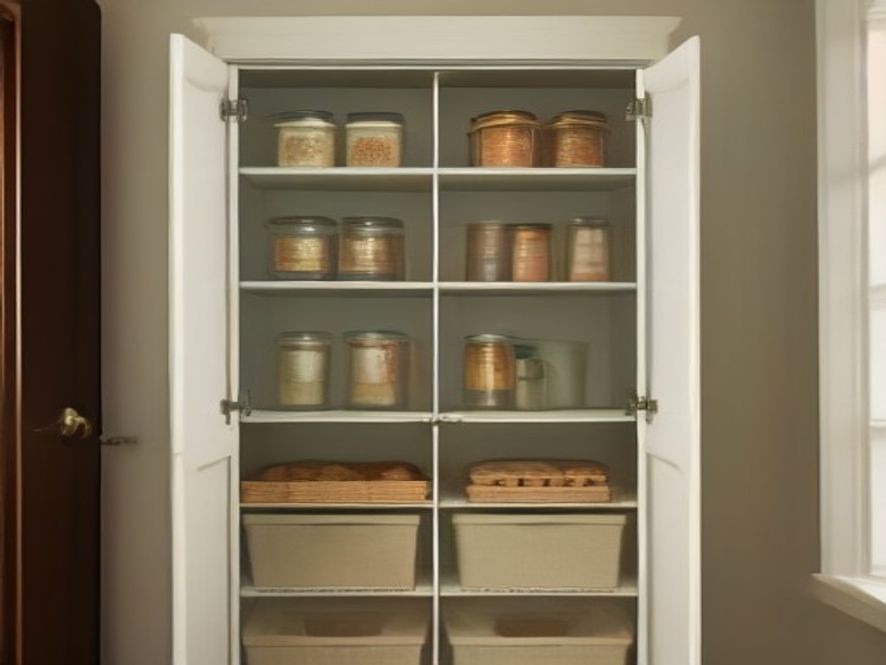
This is the single most impactful change you can make. Transferring dry goods from their bulky store packaging into clear, airtight containers saves space and keeps food fresh.
- Choose Clear Containers: Clear containers let you see what’s inside at a glance, so you never forget what you have.
- Opt for Airtight: An airtight seal keeps out moisture and pests, which is especially important for long-term storage.
- Stackable Shapes: Square or rectangular containers are more space-efficient than round ones because they line up neatly.
- Size Matters: Buy containers in various sizes to accommodate different bulk items—large ones for 5-pound bags of flour or rice, and smaller ones for oats or sugar. A large 50-cup container works great for cereal and grains.
| Container Type | Best For | Key Benefit |
|---|---|---|
| Clear, Airtight Bins | Flour, rice, sugar, and large quantities of dry goods | Keeps food fresh and makes stock visible. Stackable shapes save space. |
| Collapsible Containers | Backstock or seasonal items | Expands when full, collapses when empty to save space. |
| Lazy Susans | Oils, vinegars, and condiments in deep corners | Brings items from the back to the front with a spin. |
Step 4: Create Two Zones: Daily and Overflow
A small pantry works best when you separate what you use every day from what you’re storing for the future. Think of it like your own little warehouse.
- Daily-Use Zone: Keep open containers and items you reach for weekly at eye level. Use clear bins labeled by category—this is your “grab and go” section.
- Overflow Zone: Store unopened extras, like sealed multi-packs, on the highest and lowest shelves. Date each case when you buy it and place new items behind older ones.
Step 5: Maximize Every Inch of Space
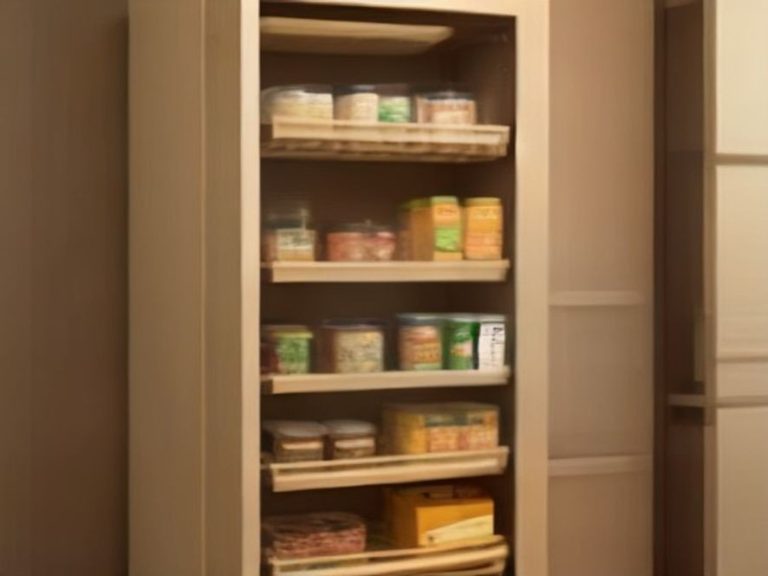
- Go Vertical: Use stackable containers and shelf risers to double your shelf space. You can even use a tiered can rack to make labels on canned goods easily readable.
- Use the Door: Install an over-the-door rack for spices, condiments, or small items. Just be careful not to overload it or you’ll strain the hinges.
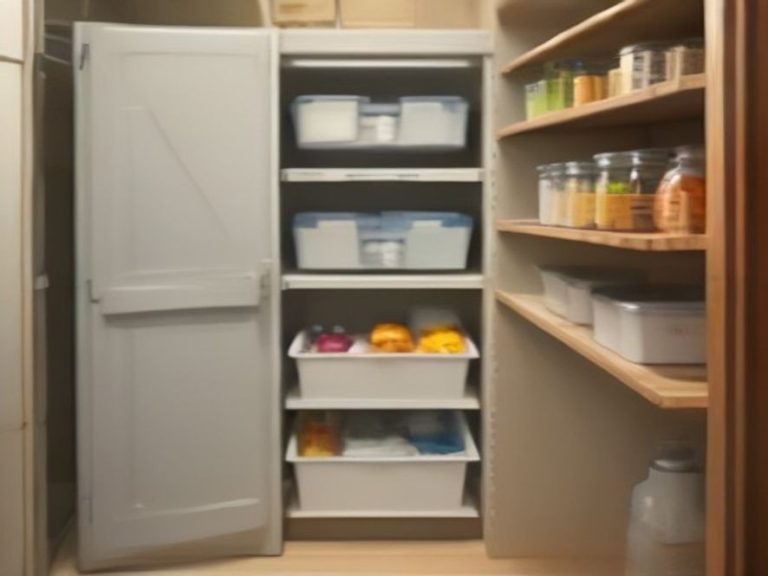
- Pull-Out Drawers or Bins: For deep shelves, use bins that you can pull out like a drawer. This way, you can access items at the back without knocking everything over.
- Try Lazy Susans: A turntable is perfect for deep corner cabinets where items often get lost.
Step 6: Use FIFO: First In, First Out
This is the golden rule of food storage. Always place new items at the back of the shelf or bin and pull older items to the front.
- Why It Works: You naturally grab the oldest food first, which prevents waste and ensures nothing is forgotten.
- Pro Tip: Consider writing the purchase or expiration date in large print on the front of your containers with a permanent marker to make it even easier.
Step 7: Store Overflow Outside the Kitchen
If your kitchen pantry is truly jam-packed, remember that you don’t have to store everything in the kitchen.
- Find a New Home for Backstock: A basement, garage, utility room, or even a closet can house your overflow stock, as long as the space is cool, dark, and dry.
- Use a Bulk Storage Rack: For very large families or serious bulk buyers, a dedicated storage rack in a garage or basement can be a game-changer.
Quick Reference: Organizing Bulk Food in a Small Pantry
| Step | Action | Why It Matters |
|---|---|---|
| 1. Shop Smart | Buy versatile, shelf-stable staples you use often. | Prevents clutter and waste from rarely-used items. |
| 2. Do a Clean-Out | Empty the pantry, toss expired items, and group by category. | Gives you an accurate inventory and a fresh start. |
| 3. Decant | Transfer dry goods to clear, airtight containers. | Saves space, keeps food fresh, and improves visibility. |
| 4. Create Zones | Separate daily-use items from overflow storage. | Keeps main shelves from becoming chaotic. |
| 5. Maximize Space | Use stackable containers, risers, and door racks. | Doubles your usable storage area. |
| 6. Use FIFO | Place new items behind older ones. | Prevents food waste and expiration surprises. |
Frequently Asked Questions
What are the best foods to buy in bulk for a small pantry?
Focus on versatile, shelf-stable staples like rice, pasta, oats, beans, flour, sugar, canned goods, dried fruit, nuts, coffee, and tea. These are compact and form the base for many meals.
What containers are best for storing bulk foods?
Clear, airtight containers with a stackable design are ideal. They keep food fresh, protect against pests, and let you see your stock at a glance.
What is the FIFO method and why is it important?
FIFO stands for “First In, First Out.” It means you place new food behind older food and always use the oldest items first. This simple habit eliminates expiration surprises and ensures nothing is wasted.
How do I organize my pantry after a bulk shopping trip?
Make sure you have a plan for where everything goes before you bring it home. When you put groceries away, use the FIFO method, decant dry goods into containers, and put overflow items in a designated “extra” space.
What should I do if my small pantry is completely full?
Consider moving backstock to another cool, dry location like a garage, basement, or utility closet. You can also use collapsible containers that save space when empty.
References
Smart Solutions for a Space-Savvy Bulk Pantry:
- Habitatista – Organizing a Tiny Pantry After Buying in Bulk
- Moms Budget – Smart Bulk Food Storage in a Small House
- Food Republic – How to Store Bulk Foods When You Don’t Have Tons of Space
- Renuity – Bulk Food Storage Ideas for Costco and Sam’s Club Shoppers
Organizing bulk food in a small pantry is all about making smart choices and using the right storage tools. By being selective with what you buy, decanting into airtight containers, maximizing vertical space, and using a simple rotation system like FIFO, you can enjoy the savings of bulk shopping without sacrificing a functional kitchen.
Which kitchen problem do you want solved next? Share your thoughts in the comments.