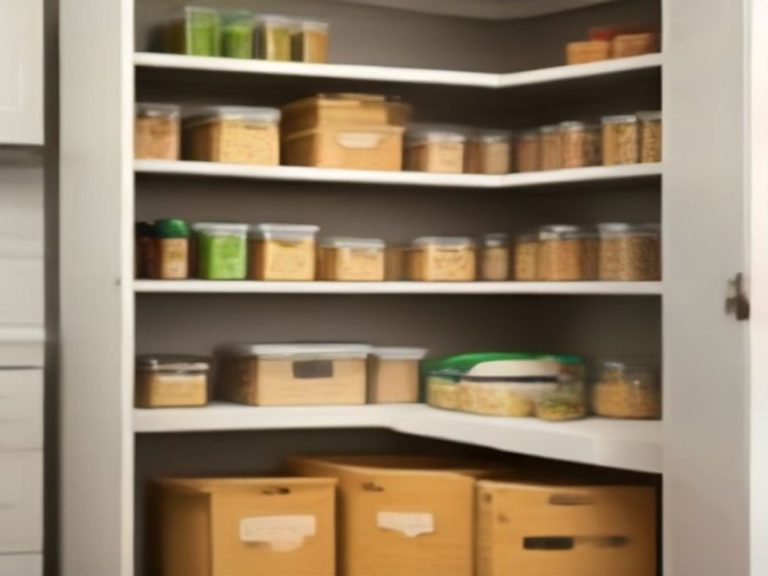
How to Organize a Pantry for Easy Grocery Restocking: Smart Solutions and Tips
Ever come home from the grocery store and stand staring at your pantry, wondering where on earth you’re going to fit everything—and knowing that in a week, you won’t be able to find half of it?
That moment of overwhelm is a clear sign your pantry lacks a real restocking system. When you don’t have a clear home for new groceries, items get shoved wherever they fit, older stuff gets lost in the back, and you end up buying duplicates of things you already own. The good news? A few simple habits transform restocking from a frustrating puzzle into a five-minute breeze. Here’s how.
The Simple Restocking System That Works
1. Know What You Have Before You Shop
The restocking cycle doesn’t start at the grocery store—it starts at home. Professional organizer Ría Safford emphasizes that you should understand your essential items first: those are the ones you’re always restocking. A quick pantry scan before you head to the store prevents buying things you already have and helps you focus on what’s actually running low.
Take five minutes before writing your grocery list to open the pantry and check your staples. This simple habit, which professional organizers call “shopping your pantry first,” saves money and reduces food waste.
2. Use the FIFO Rule When Putting Groceries Away
The single biggest restocking mistake is putting new items in front of old ones. That’s how food gets forgotten and expires.
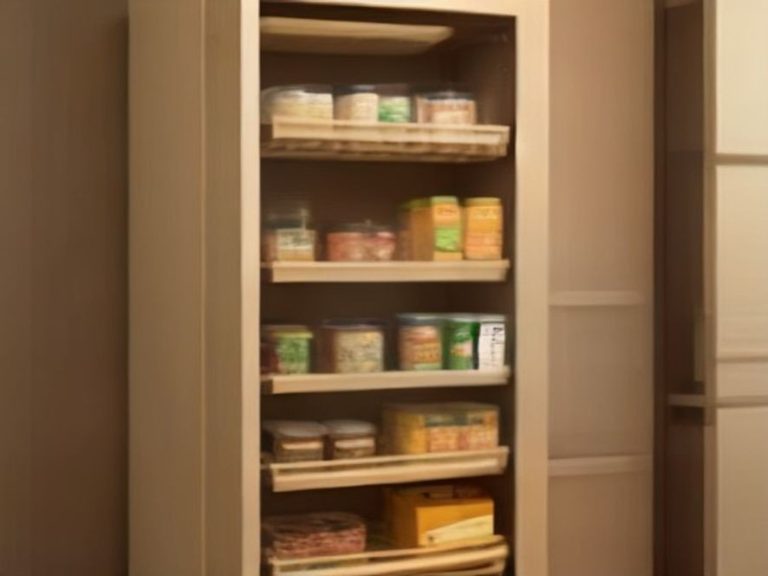
FIFO stands for First In, First Out—the same system grocery stores use. When you bring groceries home, push older items to the front and place new items behind them. This way, you always reach for the oldest item first, and nothing gets buried in the back .
How to implement FIFO simply:
- Write the purchase date on canned goods and boxes with a marker
- Arrange items so the oldest dates are in front
- When restocking, always move older items forward before placing new ones behind
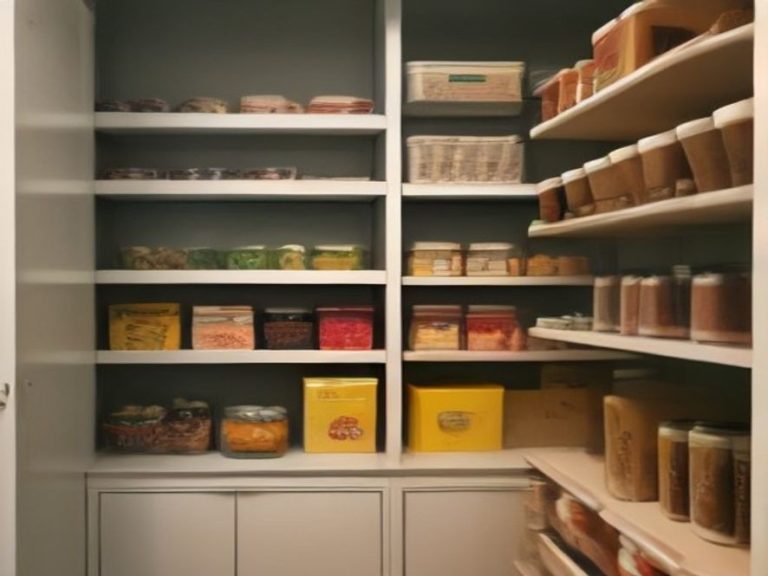
3. Create Clear Zones for Each Category
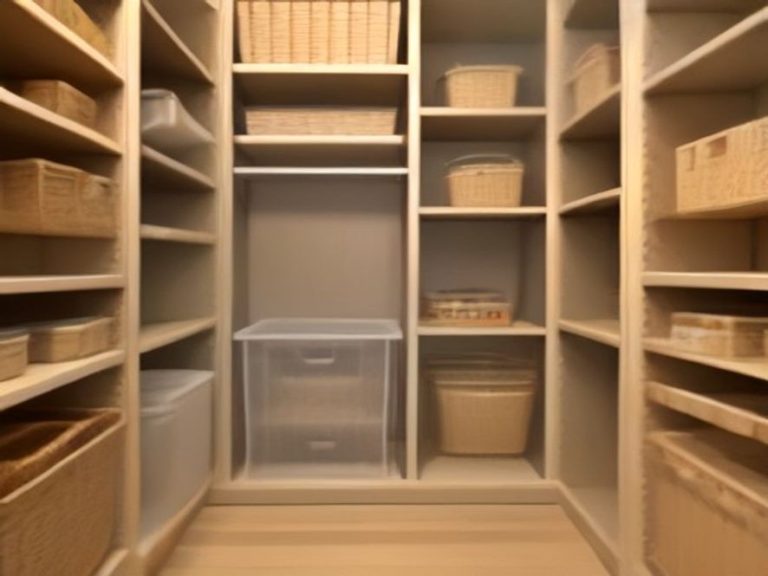
Organizing your pantry by zones makes restocking effortless because every item has a clear home. No more standing there wondering where the pasta goes.
Common zones that work for most families:
- Everyday cooking zone: Oils, vinegars, pasta, rice, canned tomatoes—items you reach for when making dinner
- Breakfast zone: Cereal, oatmeal, coffee, tea—morning essentials grouped together
- Snack zone: Chips, crackers, granola bars, nuts—lower shelves if kids need access
- Baking zone: Flour, sugar, baking powder, chocolate chips
- Backstock zone: Extras and bulk items you’re not using right now
The beauty of zones is that you don’t need to remember “the pasta goes on the second shelf, third spot.” You just need to remember “pasta lives in the cooking zone,” which makes restocking automatic.
4. Use Clear Containers and Bins Strategically
You don’t need to decant everything into matching jars, but clear containers and bins make restocking easier because you can see at a glance what’s running low .
What to decant:
- Items that come in awkward packaging (flour bags that rip, sugar that spills)
- Staples you reach for frequently (pasta, rice, oats)
- Snacks you buy in bulk and portion out
What to leave in original packaging:
- Canned goods (labels face out for visibility)
- Jarred sauces (already visible)
- Sealed snack bags and crackers
Square containers use shelf space more efficiently than round ones—a small detail that makes a real difference in how much you can fit.
5. Use Tools That Make Restocking Faster
Lazy Susans for bottles and jars: A turntable brings items from the back forward with one spin. Multiple users report this helps them see what they have and avoids buying duplicates .
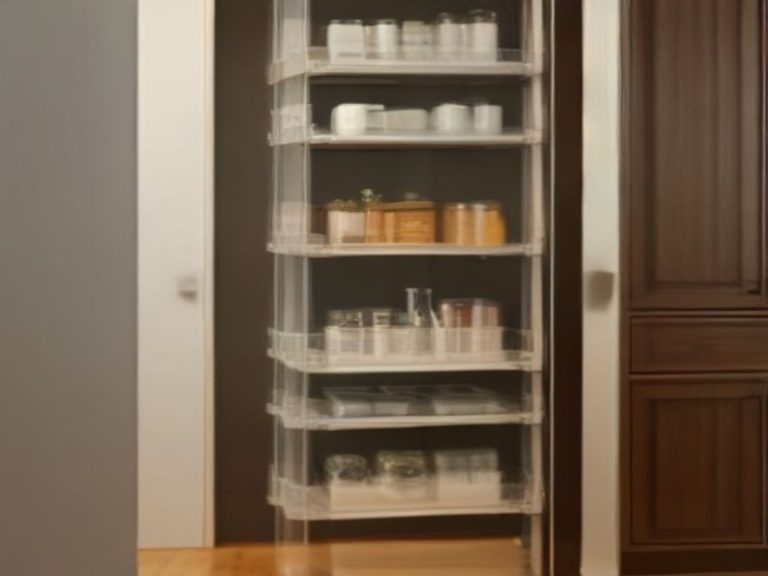
Over-the-door racks: The back of your pantry door is storage you’re ignoring. Door racks hold spices, boxed goods, and other small items without taking shelf space.
Open bins for snacks: When kids can see the options, they’re less likely to rummage and create chaos. Clear bins let you spot what’s running low at a glance.
6. Keep a Running Shopping List
When you use the last of something—or see it’s running low—add it to your shopping list immediately. This prevents the “I meant to buy that” moment at the store.
For households with multiple shoppers, shared pantry apps let everyone update the list in real time. One app review notes it helps families who’ve stopped buying duplicates and wasting food.
The Weekly Restocking Check
A quick 10-minute weekly check keeps your restocking system running smoothly:
- Check what’s running low: Make note of items you need to buy
- Move expiring items forward: Place soon-to-expire items where you’ll see them
- Return stray items: Put anything that’s wandered back to its zone
- Wipe up spills: A quick clean prevents pests
Maintaining this habit means your pantry works for you instead of against you, especially on busy days.
FAQ: Pantry Restocking
1. What’s the best system to avoid buying duplicates?
The combination of a pre-shopping pantry scan and FIFO when putting groceries away is the most effective approach. Know what you have before you shop, and always put new items behind older ones.
2. How do I get kids to help with restocking?
Create zones with clear labels and place kid-accessible items on lower shelves. When children can see where things go, they can help put groceries away .
3. Do I need to decant everything?
No. Decant only items that come in annoying packaging or that you reach for frequently. Items already in functional packaging (cans, jars, sealed bags) can stay as they are .
4. What’s the most important restocking habit?
FIFO—pushing older items forward and placing new items behind them. This single habit prevents most food waste and duplicate purchases.
5. Should I use a pantry app?
If your household has multiple shoppers or you want expiration reminders, a shared pantry app can help. But a marker and some shelves with zones works just fine.
A pantry organized for easy restocking isn’t about perfection—it’s about making the process frictionless. When you know what you have, where it goes, and which items to use first, restocking becomes a five-minute task instead of a dreaded chore. Start with the FIFO system, add clear zones, and watch your grocery runs get simpler and less wasteful.
What restocking challenge does your pantry have? Share your thoughts in the comments.
How to Organize a Pantry for Easy Grocery Restocking: Simple Systems That Save Time and Money