
Kitchen Drawer Organization Mistakes That Waste Storage Space (And How to Fix Them)
You open your kitchen drawer, and instead of finding what you need, you’re met with a jumbled mess of utensils, lost gadgets, and wasted space.
It’s frustrating. You know you have the space—it’s a big drawer. Yet somehow, you can never find what you’re looking for, and half the drawer seems to be filled with things you never use. The problem isn’t the size of your drawer. It’s almost certainly the way you’re organizing it.
Professional organizers see the same mistakes over and over. Here’s what they say is actually wasting your drawer space—and how to fix it for good.
TL;DR
Kitchen drawers lose usable space when you don’t use dividers, overstuff them, organize by size instead of how you cook, or ignore vertical space. Common mistakes include: stacking items on top of each other, not decluttering first, using organizers that don’t fit properly, and placing frequently used items in hard-to-reach spots. Fix these by using drawer dividers, grouping by function, storing items vertically where possible, and placing daily-use tools at the front. The goal is that every item has a designated “home” so the drawer stays organized with minimal effort.
Key Takeaways
- No dividers means chaos: Without dividers, items slide and shift every time you open the drawer, creating a mess.
- Don’t stack unless it’s intentional: Stacking leads to unstable piles where you have to move everything to get one item.
- Declutter first, organize second: Organizing items you don’t need is a waste of time and space.
- Use vertical space: Store items like pot lids and baking sheets upright to free up horizontal room.
- Front vs. back matters: Frequently used items belong at the front, not buried in the back.
The Real Reasons Your Drawer Storage Is Failing
Mistake 1: Not Using Dividers
This is the most common mistake. Without dividers, items slide around every time the drawer opens and closes. A spatula ends up under a whisk. A peeler gets trapped under a measuring cup. Before you know it, you’re digging through a mess just to find a spoon.
“Using drawer dividers to separate different items makes the drawer more organized and easier to access,” explains one kitchen design expert. “They prevent chaos and confusion from creeping in.”
Dividers aren’t just for cutlery. They work for large utensils, gadgets, and even pots and pans. Without them, you’re basically inviting chaos into your drawer.
Mistake 2: Overstuffing Every Inch
There’s a common belief that every inch of drawer space should be filled. This is wrong. When a drawer is packed too tightly, you can’t see what’s in the back. Items get pushed further and further back, and the whole drawer becomes a tangle.
One professional organizer says: “Avoid cramming too many things into one drawer. A cluttered drawer becomes difficult to navigate and makes locating specific items a frustrating exercise.”
Leave about 20% of the drawer empty. This gives items room to be moved without disrupting everything else.
Mistake 3: Organizing by Size Instead of Function
It seems logical to put all the long utensils together and all the short ones together. But this ignores how you actually cook.
You use tongs, a spatula, and a wooden spoon together when you’re cooking at the stove. If they’re stored in different parts of the drawer or different drawers entirely, you’re wasting time and energy hunting for them.
The fix: group by how you use items, not by their size. Create a “stovetop cooking zone” with spatulas, tongs, and spoons. Create a “prep zone” with peelers, zesters, and measuring spoons. This is the “zone” method, and it saves time and reduces frustration.
Mistake 4: Ignoring Vertical Space
Drawers have two dimensions: width and depth. But you can also use height. Utensils, pot lids, baking sheets, and cutting boards can all be stored vertically.
Standing these items upright uses less horizontal space and makes them easier to grab. You don’t have to dig through a pile to get the one you want—you just slide it out.
There are special vertical organizers for pot lids, baking sheets, and cutting boards. They’re a great investment if you have deep drawers.
Mistake 5: Not Decluttering First
“You can’t organize clutter,” as the saying goes. But many people try anyway. They buy expensive organizers and carefully arrange everything, not realizing they’re just giving organized homes to things they should have thrown away.
One professional organizer notes: “People want to get organized, but their first step is to buy the cute little organizers. The very first step—before you buy a single item—is to declutter.”
Empty your drawer, sort everything into “keep,” “donate,” and “trash.” Be ruthless. If you haven’t used it in a year, let it go. You can’t organize what you don’t need.
Mistake 6: Wrong-Sized Organizers
An organizer that doesn’t fit your drawer is wasted space. If it’s too small, items slip underneath or around it. If it’s too big, it won’t fit at all.
Measure your drawer before buying anything. Know the width, depth, and height. Then buy organizers that actually fit.
“A perfect fit is the key to maximizing drawer space,” says one organizing expert. “Organizers that match your drawer dimensions prevent slipping and wasted gaps.”
Mistake 7: Storing Frequently Used Items in the Back
This seems like common sense, but people still do it. They put the “pretty” items at the front and the everyday tools at the back.
The front of the drawer is prime real estate. It’s the most accessible spot. That’s where your most-used items belong. Store specialty tools, seasonal items, and things you rarely use at the back.
Mistake 8: Buying Organizers Before Decluttering
A huge mistake. Many people get excited and buy matching containers and bins before knowing what they actually need to organize.
Professional organizers recommend: “Declutter first. Then see what items you have left, measure their size, and buy organizers to suit them.”
This saves money and prevents buying organizers you’ll never use.
Step-by-Step Fix Guide: Maximizing Drawer Space
Step 1: Empty and Declutter
Take everything out. Wipe the drawer clean. Sort everything into piles: keep, donate, and trash. Ask yourself: “When was the last time I used this?” If you can’t remember, let it go.
Step 2: Measure Your Drawer
Measure the width, depth, and height of your drawer. Write it down. Take this measurement with you when you shop for organizers.
Step 3: Group by Function
Don’t group by size. Group by how you use items. Create a “stove zone” with cooking utensils, a “prep zone” with peelers and graters, and a “table zone” with serving utensils.
Step 4: Choose the Right Organizers
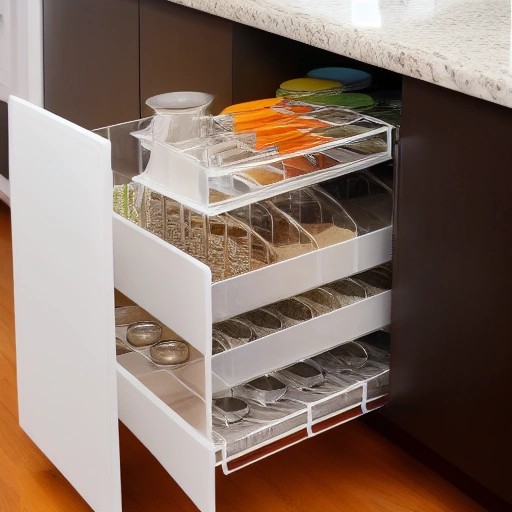
- For cutlery: Use a traditional cutlery tray with adjustable dividers.
- For large utensils: Use expandable dividers or adjustable compartments.
- For deep drawers: Use tall organizers that fill the depth to prevent layering underneath.
- For vertical storage: Use a rack for pot lids, baking sheets, or cutting boards.
Step 5: Place Frequently Used Items in Front
Put your daily-use items at the front of the drawer. Store seasonal or seldom-used items at the back.
Step 6: Leave Empty Space
About 20% of the drawer should be empty. This gives items room to breathe and prevents the “shove and forget” problem.
Comparison Table: Common Drawer Mistakes and Solutions
| Mistake | Why It Wastes Space | The Fix |
|---|---|---|
| No dividers | Items slide and shift, creating chaos and wasted space | Use expandable dividers or a cutlery tray |
| Overstuffing | Can’t see what’s in the back; items get pushed and lost | Leave 20% of the drawer empty |
| Organizing by size | Ignores how you actually cook; creates inefficient zones | Group by function, not by size |
| Ignoring vertical space | Wastes the height of the drawer | Store pot lids, baking sheets, and cutting boards upright |
| Not decluttering first | You waste time organizing things you don’t need | Declutter ruthlessly before buying organizers |
| Wrong-sized organizers | Items slip underneath; wasted gaps | Measure your drawer before buying |
| Frequently used items in back | You dig through everything to get what you need every day | Put daily-use items at the front |
Expert Insight
“The key to a well-organized drawer is making it easy to maintain. If it takes more than two seconds to put an item away, you won’t do it.”
FAQ: Your Drawer Organization Questions Answered
1. Should I organize by size or by function?
By function. Group items by how you use them (e.g., “cooking at the stove” versus “prepping ingredients”). This saves time and reduces frustration.
2. What’s the first step in organizing a messy drawer?
Declutter. Empty everything out, sort into keep/donate/trash, and purge ruthlessly.
3. How do I stop items from sliding around in the drawer?
Use drawer dividers. They create fixed sections that prevent items from migrating.
4. What’s the best way to store large utensils like spatulas and ladles?
Use deep dividers or expandable organizers. Put all cooking utensils together in a “stove zone” near the stove.
5. Should I store pot lids in a drawer or a cabinet?
Storing them vertically in a drawer is very efficient. Use a lid rack to keep them upright and accessible.
6. How much empty space should I leave in a drawer?
About 20%. This gives items room to move without disrupting everything else.
7. What’s the most common drawer organization mistake?
Not using dividers. Without them, items slide and shift, creating chaos and wasted space.
A well-organized drawer saves time, reduces frustration, and makes cooking more enjoyable. The key is not perfection—it’s function. When every item has a designated “home” and you can grab what you need in seconds, your kitchen works with you, not against you.
Which drawer in your kitchen is the biggest challenge? Share your experience in the comments!
Practical Kitchen Drawer Organization Tips and Expert Advice for Maximizing Storage Space: