How to Organize a Kitchen Cabinet With No Adjustable Shelves: Simple Fixes That Actually Work
You open your kitchen cabinet and stare at a shelf that’s too high for your plates but too low for your blender—and there’s nothing you can do about it.
Fixed shelves are one of the most frustrating features in older kitchens. You can’t move them, you can’t adjust them, and you end up with wasted space that’s either too tight or too cavernous. But here’s the good news: you don’t need a renovation or a carpenter to fix this problem. With the right tools and a little creativity, you can turn those stubborn, non-adjustable shelves into a storage system that actually works for how you cook.
The Real Problem with Fixed Shelves
Fixed shelves create two main headaches. First, they waste vertical space. If a shelf is set at 12 inches tall but your cereal boxes are 10 inches, that’s two inches of dead air above every box. Multiply that across multiple shelves, and you’ve lost a significant amount of storage .
Second, deep fixed shelves create “black holes.” Items at the back get pushed further and further away until you forget they exist. Without pull-out access, you’re essentially storing things in a place you’ll never reach . As one expert puts it, deep cabinets without pull-outs are “where food or dishware goes to die” .
Step-by-Step Fix: Organizing Fixed Shelves
Step 1: Empty Everything Out
This is non-negotiable. Pull every item out and put it on your counter or table. This gives you a clear picture of what you actually own and what you use regularly . Professional organizer Jean Prominski recommends thinking beyond the kitchen—can some items be stored elsewhere to free up prime cabinet space?
Step 2: Declutter Ruthlessly
Ask yourself three questions: Have I used this in the last year? Do I own duplicates? Does this still fit how I cook now? Let go of gadgets you never reach for, chipped dishes, and containers without matching lids. This step makes the biggest difference .
Step 3: Store Based on Frequency, Not Just Category
Everyday items go at eye level or in the easiest-to-reach spots. Items you use a few times a week go on lower shelves. Seasonal or occasional items can go on the highest shelves . If you reach for it daily, it lives where you can grab it without stretching or bending .
Step 4: Choose the Right Organizers
Here’s where fixed shelves become workable. Each organizer solves a specific problem:
| Organizer Type | Best For | Why It Works |
|---|---|---|
| Shelf Risers | Plates, mugs, and canned goods | Doubles vertical space instantly; creates two tiers for better visibility |
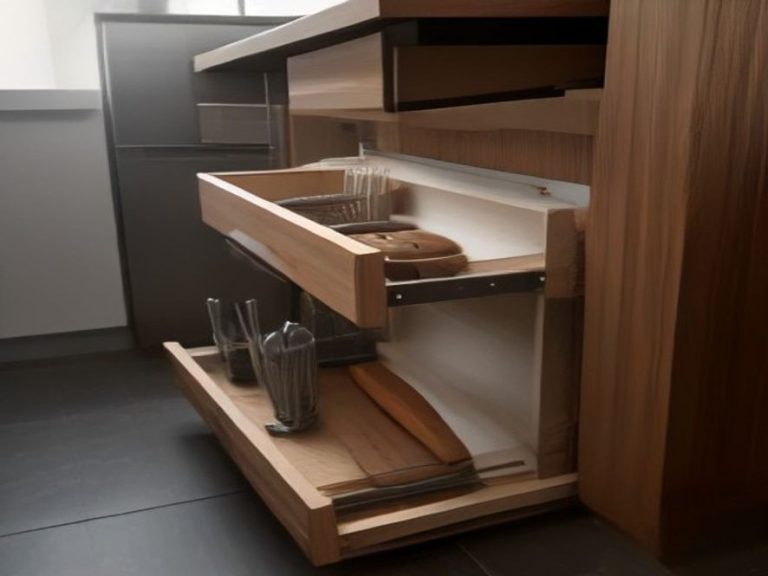
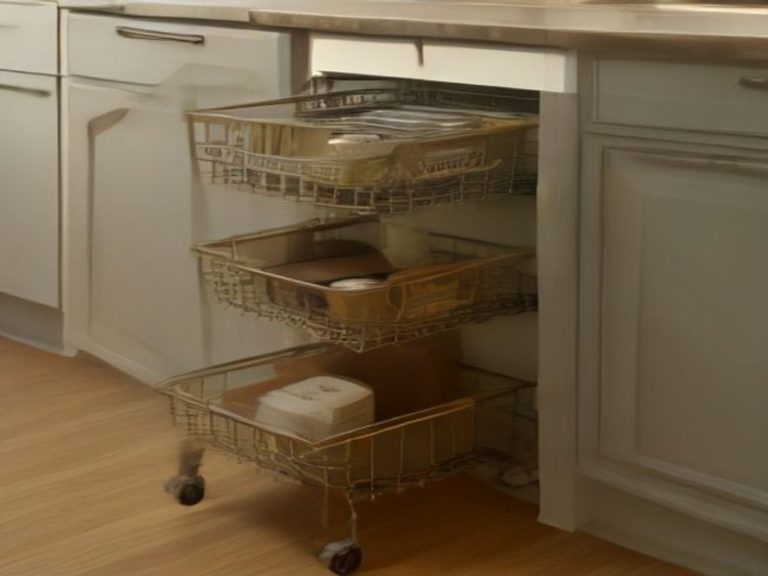
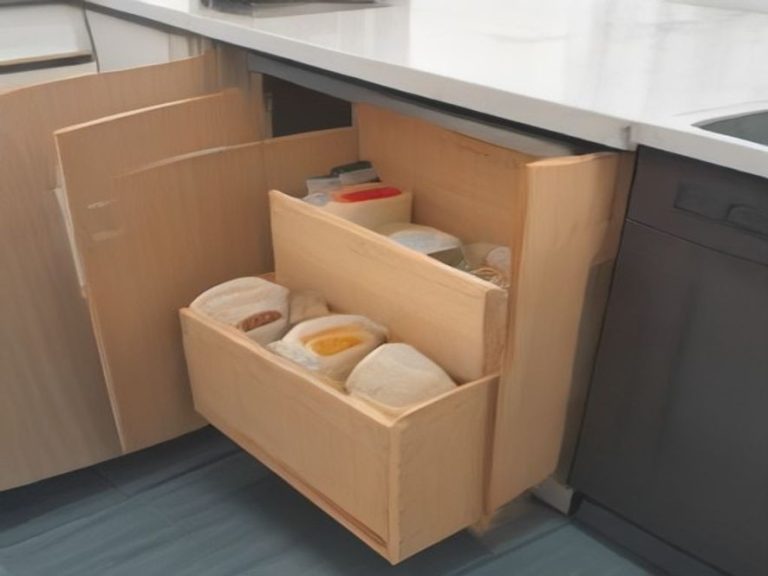
| Pull-Out Bins or Drawers | Deep lower cabinets | Brings the back of the cabinet to you; eliminates blind reaching |
| Lazy Susan / Turntable | Corner cabinets, oils, and spices | Spins to bring items forward; perfect for deep, awkward spaces |
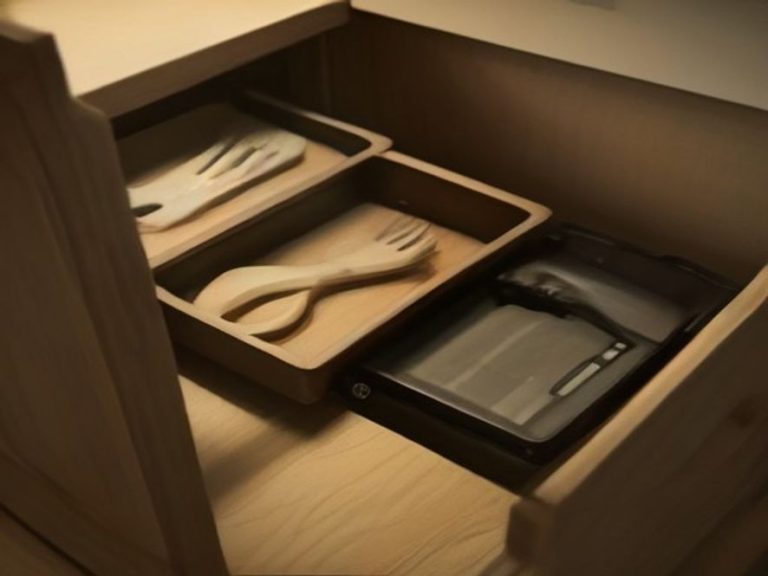
| Vertical Dividers | Baking sheets, cutting boards, pot lids | Stores items upright like files; each one slides out without disturbing others |
| Under-Shelf Baskets | Mugs, foil wraps, small items | Adds storage beneath existing shelves; uses the “empty” air underneath |
| Door-Mounted Organizers | Spices, cleaning supplies, lids | Turns the inside of the cabinet door into usable storage |
Step 5: Group Items by Function
Create zones based on how you cook. A “baking zone” near the oven with your mixing bowls, baking sheets, and measuring tools. A “cooking zone” near the stove with your pots, pans, and spatulas. This reduces movement and makes cooking feel smoother .
Smart Hacks for Specific Cabinet Types
For Deep Lower Cabinets
Replace fixed shelving with full-extension pull-outs if possible. If that’s not an option, use pull-out bins that slide out toward you . This ensures nothing gets trapped in the back . Heavy items like cast iron pans and stand mixer bowls belong here for safety .
For Corner Cabinets
Lazy Susans are one of the simplest and most affordable fixes . For blind corner cabinets, consider a pull-out swing tray system that brings the entire storage unit toward you . Store bulky cookware like stock pots and slow cookers here—not tiny items that get lost .
For Upper Cabinets
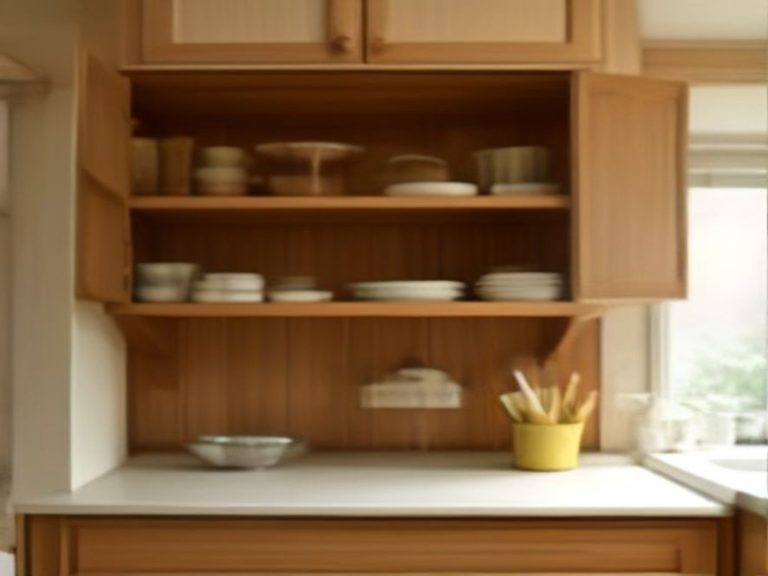
Store everyday plates, bowls, and glasses in the cabinets closest to the dishwasher . Use shelf risers to create a second tier for mugs or small bowls. Don’t stack plates more than six or seven high—tall stacks are an accident waiting to happen .
For Food Storage Containers
Keep only containers with matching lids. Store the lids vertically in a file organizer so you can see each one at a glance . If possible, limit yourself to one cabinet for these items to prevent clutter from spreading .
For Baking Sheets and Cutting Boards
Use vertical dividers to store them upright. This prevents the frustrating game of “which one is at the bottom?” and allows you to slide each one out individually . If you don’t have dividers, a simple tension rod or even a sturdy bookend can work as a DIY alternative .
Expert Insight
“The best organization systems are the ones you can easily maintain, even on your busiest days.” — Professional organizer Jean Prominski
“Fixed shelves look tidy in showrooms, but in real homes they often trap items in the back. The fix is bringing items forward—not storing more.”
FAQ: Fixed Shelf Organization
1. How do I organize a cabinet with shelves that can’t be moved?
Use shelf risers, lazy Susans, pull-out bins, and vertical dividers to adapt the space. These tools work around fixed heights and create better access .
2. What’s the best organizer for deep, fixed shelves?
Pull-out bins or sliding trays. They bring the back of the cabinet to you so nothing gets lost .
3. How do I stop things from falling over on high shelves?
Use baskets or bins with handles. They group items together and make it easier to pull things down safely .
4. Should I store heavy items on upper fixed shelves?
No. Heavy items belong in lower cabinets for safety. Reaching above your head for a cast iron pan is a risk you don’t need to take .
5. How can I use the space under a fixed shelf?
Add under-shelf hanging baskets or hooks. These clamp onto the shelf above and create instant extra storage for mugs, towels, or small items .
A cabinet without adjustable shelves isn’t a lost cause—it’s an opportunity to get creative with organizers that actually work. With the right tools and a system built around how you cook, even the most stubborn fixed shelves can become functional, frustration-free storage.
Which fixed shelf in your kitchen is the biggest challenge? Share your experience in the comments!
Practical Kitchen Cabinet Organization Solutions for Fixed and Non-Adjustable Shelves: