How to Organize a Kitchen Cabinet for Spices and Seasonings: The Best Way to Find What You Need Fast
That moment when you’re mid-recipe, hands covered in flour, and you cannot find the garlic powder anywhere is a universal kitchen frustration.
You know it’s in there. Somewhere. Buried behind the cumin, shoved next to the paprika, and hidden under a bag of chia seeds you bought in 2019. A disorganized spice cabinet isn’t just annoying; it wastes your time, ruins your cooking flow, and costs you money when you buy duplicates of spices you already own. It’s time to fix this common kitchen problem for good.
TL;DR
Organizing your spice cabinet is about more than just tidying up—it’s about making your cooking space work for you. Start by auditing your collection and tossing old, expired spices. Then, choose a storage system that fits your space, whether that’s a drawer, a door rack, or tiered shelves. Finally, maintain your new system by labeling everything and keeping your most-used spices front and center.
Key Takeaways
- Audit Your Collection: Throw away spices older than two years. They have lost their flavor and are just taking up space.
- Choose a Storage Method: Options include using a drawer, a door-mounted rack, or tiered shelves, depending on your cabinet space.
- Prioritize Accessibility: Keep your most-used spices within easy reach to streamline your cooking process.
- Label Everything: Clear labeling ensures everyone in the household knows where to put things back.
- Consider a “Kitchen Sink” Mix: Combine the dregs of nearly empty jars to create a custom seasoning blend and reduce waste.
The Real Causes Behind Spice Cabinet Chaos and How to Fix It
A messy spice cabinet is often a symptom of a few bad habits. The most common cause is simply buying spices without a plan. You see a new recipe, buy five new spices, and shove them into the cabinet, never to be seen again. Over time, this creates a chaotic jumble of old, forgotten, and duplicate jars. The solution is to treat your spice collection with the same respect as your other kitchen tools and kitchen organization efforts—it requires a system.
Why Your Spices Lose Flavor and Clutter Your Cooking Space
Before you even start organizing, you need to understand what you’re working with. Most ground spices don’t last forever. They don’t spoil in a dangerous way, but they do lose their potency, which is why your chili doesn’t have a kick or your cinnamon tastes like dust. This is a key reason your kitchen maintenance routine should include a regular spice check.
A good rule of thumb is that whole spices last about 4 years, while ground spices are best used within 2 to 3 years. Dried herbs, like oregano and thyme, also have a shelf life of about 1 to 3 years . If you can’t remember when you bought that jar of allspice, it’s time for it to go.
Step-by-Step Guide to the Best Way to Organize Your Spice Cabinet
Follow these simple steps to transform your chaotic cabinet into a streamlined, beautiful space.
1. Take Everything Out and Audit Your Collection
This is the most important step. Pull every single jar, packet, and bag out of your cabinet. Place them all on your counter. Look for duplicates—you might be surprised how many you have. Check the dates on each jar. If it’s been more than two years, toss it. This clears the clutter and makes room for the spices you actually use.
2. Choose Your Storage Solution
Now that you know what you have, you can decide how to store it. There are several effective methods, each with its own benefits.
Spice Storage Options Comparison
| Method | Purpose | Effectiveness | Difficulty Level | Cost |
|---|---|---|---|---|
| Drawer Organizers | To store spices flat or upright in a drawer for easy viewing. | High – You can see everything at a glance. | Easy | $$ |
| Cabinet Door Racks | To use vertical space on the inside of a cabinet or pantry door. | High – Frees up valuable shelf space. | Medium | $ |
| Tiered Shelves | To create levels on a shelf, so spices in the back are visible. | Good – Maximizes shelf space without major changes. | Easy | $ |
| Magnetic Jars | To stick metal tins to a wall or fridge surface. | Medium – Space-saving but can look cluttered if not uniform. | Medium | $$$ |
| Original Bottles | Keeping spices in their original packaging on a shelf. | Low – Creates visual chaos and is hard to keep organized. | Very Easy | Free |
3. Implement Your Chosen System
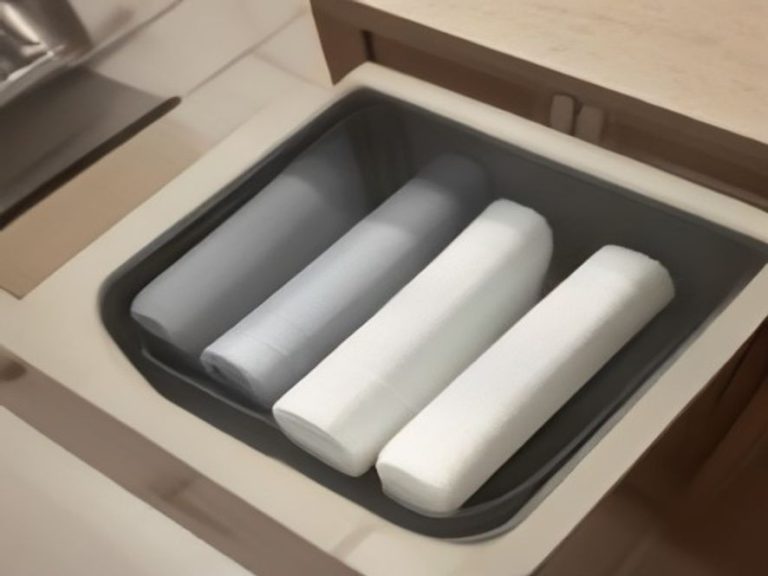
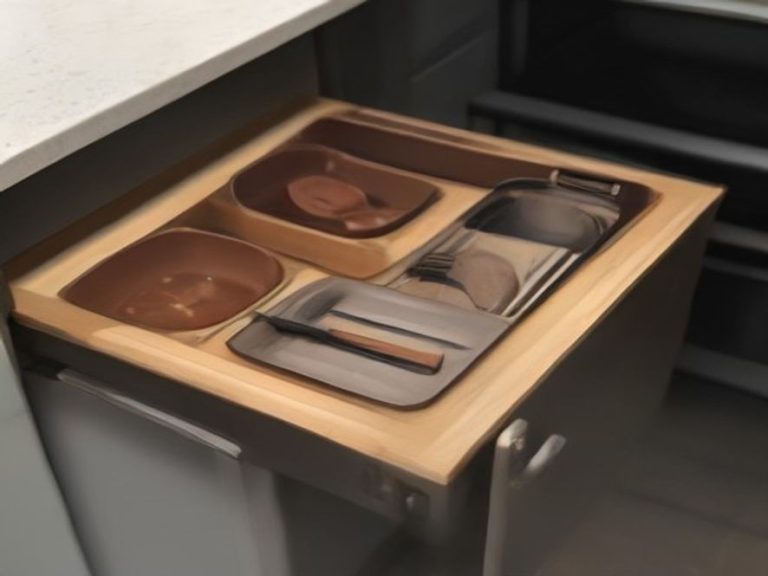
- The Drawer Method: If you have a free drawer, this is often the best way. You can store spice containers upright if the drawer is deep enough, or lay them flat . For flat storage, placing labels on the top of the lid is crucial so you can identify them when looking down. Adding a drawer liner can also prevent the jars from sliding around .
- The Door-Mounted Rack: This is a great solution for small kitchens. You can buy pre-made racks or get creative with a DIY solution. For example, attaching metal tins with magnetic strips to the inside of a pantry door is a clever and space-saving hack .
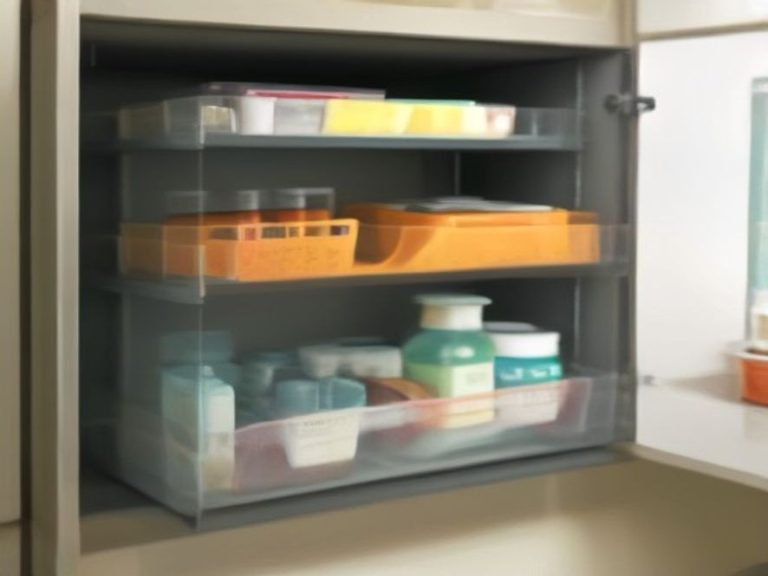
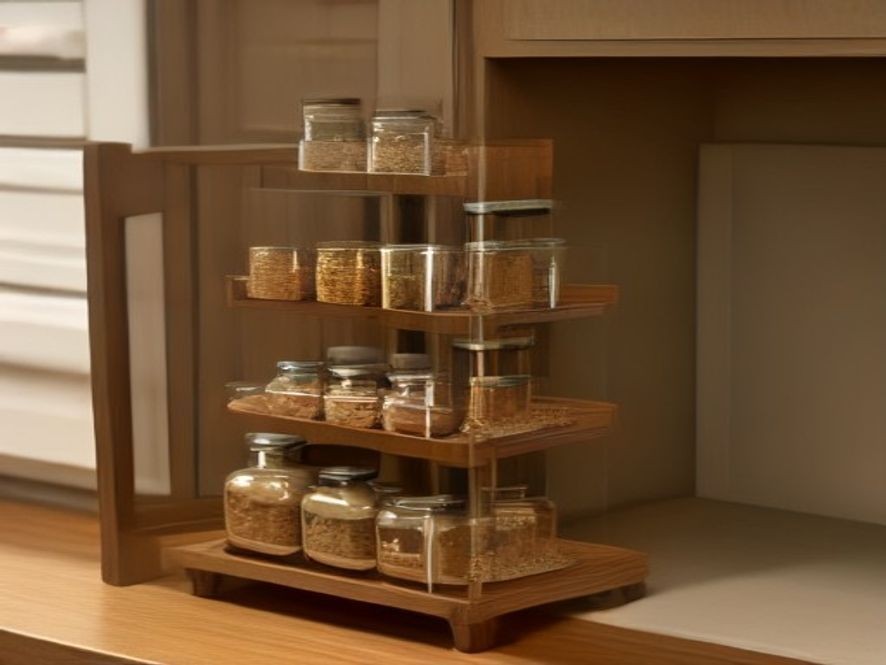
- The Tiered Shelf: If you prefer to keep spices on a shelf, a tiered organizer is essential. It ensures you can see the spices in the back row without digging.
4. Organize by Your Cooking Style
Forget alphabetical order unless it really works for you. The most practical way to organize is by how often you cook. Interior designer Anita Yokota recommends organizing by dish . If you make tacos every Tuesday, group your chili powder, cumin, and paprika together. This makes grabbing what you need incredibly fast .
A simpler approach is to put your most-used spices in the front. These are often the staples like garlic powder, onion powder, salt, and black pepper. Place less frequently used spices in the back or on a higher shelf .
5. Label Everything and Create a “Map”
Once your spices are in their new home, label them clearly. Whether you use a label maker, a chalk marker, or just a Sharpie, clear labels ensure that everyone in the household knows where each spice lives . This is the key to long-term kitchen organization.
A helpful trick is to create a “legend” of your new system and tape it to the inside of the cabinet door. This makes it easy to put things back in their proper place and quickly identify what you have .
6. Adopt the Annual Spice Audit Ritual
To prevent your newly organized cabinet from descending back into chaos, make it a yearly ritual. Take all your spices out at the beginning of the year. Consolidate the dregs of nearly empty jars into a single “kitchen sink” spice mix. This reduces waste and creates a unique, flavorful blend that’s perfect for everyday meals .
After the audit, make a list of what you need and commit to only replacing your top five most-used spices. This prevents you from impulse-buying spices you don’t need and keeps your collection manageable .
“Most kitchen problems, like a cluttered spice cabinet, come from small maintenance habits that are often ignored. A simple audit can save you time, money, and frustration.”
Frequently Asked Questions
How do I know if my spices are too old?
If a spice has lost its vibrant color and has a weak smell, it’s likely past its prime and won’t add much flavor to your food .
What is the best container for storing spices?
Uniform, airtight glass jars are excellent because they keep spices fresh and allow you to see the contents. For the ultimate space-saving solution, some people prefer flat, magnetic metal tins .
How can I organize spices in a small apartment kitchen?
Utilize vertical space by installing a rack on the inside of a cabinet or pantry door . If you have a drawer, that can also be a space-saving and efficient option .
Why is it bad to store spices above the stove?
The heat, steam, and light from cooking can cause your spices to lose their flavor much faster. A cool, dark place is best .
How many spices should I own?
Quality over quantity is the key. Focus on the spices you use regularly for your favorite dishes. A collection of 15 to 20 core spices is more than enough for most home cooks.
What’s the “kitchen sink” spice mix?
It’s a creative way to use up the last bits of spices from nearly empty jars. You combine all the remnants into one jar to create a unique, custom seasoning blend that is great for everyday cooking .
Do I need to label my spices?
Yes! Clear labeling is essential for maintaining an organized system. It makes it easy for you and others to find what you need and, more importantly, to put it back in the right place .
References
Expert Tips for a More Organized and Functional Kitchen Space
- Apartment Therapy – Spice Storage Trick
- Apartment Therapy – Spice Rack Organizer Review
- House Digest – Spice Drawer Storage Swap
- Apartment Therapy – Annual Spice Audit Ritual
Which kitchen problem do you want solved next? Share your thoughts in the comments.