How to Clean a Slow Cooker With Dried-On Food and Grease
You lift the lid, expecting a delicious, perfectly cooked meal, but instead you’re staring at a crusty mess—sauce baked onto the sides, grease clinging to the lid, and food seemingly welded to the bottom of your slow cooker. Suddenly, cleanup feels harder than the cooking ever was.
We’ve all been there. That long, slow cooking time is great for tender meat and rich stews, but it can also turn your trusty crockpot into a cleaning nightmare. The good news? You don’t need to scrub yourself into exhaustion. The best way to fix this problem involves a little patience, some common household items, and the right technique. This guide offers practical solutions and tips to help you understand the causes of stubborn messes and get your slow cooker sparkling again without damaging it .
TL;DR
To clean a slow cooker with dried-on food and grease, start by unplugging it and letting it cool completely. Remove the insert and lid, then soak them in warm, soapy water to loosen the mess. For stubborn spots, use a baking soda paste or try the “cook” method with water and dish soap on low for an hour. Never use metal tools or harsh abrasives that can scratch the surface, and always keep water away from the electrical base .
Key Takeaways
- Patience and safety first: Always unplug the slow cooker and let it cool fully before cleaning. A sudden temperature change can crack the ceramic insert .
- Soaking is your best friend: Filling the insert with warm, soapy water and letting it sit is the most effective way to loosen dried-on food without scrubbing .
- Baking soda is a gentle powerhouse: A paste of baking soda and water or dish soap works wonders on stuck-on residue and grease without scratching surfaces .
- Never submerge the base: The outer heating unit contains electrical parts. Wipe it down with a damp cloth, but never immerse it in water .
- Prevention makes cleanup easier: Greasing the insert before cooking or using slow cooker liners can help stop food from sticking in the first place .
How to Fix a Slow Cooker with Baked-On Mess: A Step-by-Step Guide
Following the right steps makes all the difference. Here’s the best way to tackle dried-on food and grease safely and effectively.
Step 1: Unplug and Cool Down Completely
This is the most important rule. Before you do anything, unplug your slow cooker from the wall outlet. The appliance is hot and could cause burns, and you must avoid mixing water with electrical components. Let the entire unit cool completely. This can take an hour or more, but it’s crucial for your safety and to prevent damaging the ceramic insert .
Step 2: Remove and Soak the Insert and Lid
Once everything is cool, take out the stoneware insert and the glass lid. Fill the insert with hot (not boiling) water and add a few drops of dish soap. Let it soak for at least 30 minutes, or even overnight if the mess is really stubborn. This simple step does the heavy lifting, softening dried food and grease so you don’t have to scrub as hard .
Step 3: Wash Gently with Non-Abrasive Tools
After soaking, use a soft sponge or non-scratch scrub pad to wipe away the loosened food. For stuck-on bits, a plastic or silicone spatula can be used to gently lift them away. Avoid steel wool or harsh scouring pads, as these can scratch and damage the surface of your insert .
Step 4: Tackle Stubborn Residue with Baking Soda
If you still have stubborn spots, baking soda is your solution. Mix a small amount of baking soda with a little water or dish soap to form a paste. Apply this to the stuck-on areas and let it sit for 15 minutes to an hour before gently scrubbing. The mild abrasive quality of baking soda helps lift burnt food and grease without scratching .
Step 5: The “Cook” Method for Extra-Tough Messes
For caked-on food that just won’t budge, try the hands-off “cook” method. Fill the insert with water and add a few drops of dish soap. Put the lid on, turn the slow cooker on low for about an hour, and let it work . The gentle heat and soapy water will break down the most stubborn residue. Be sure to let it cool completely before washing as usual.
Step 6: Clean the Lid and the Outer Base
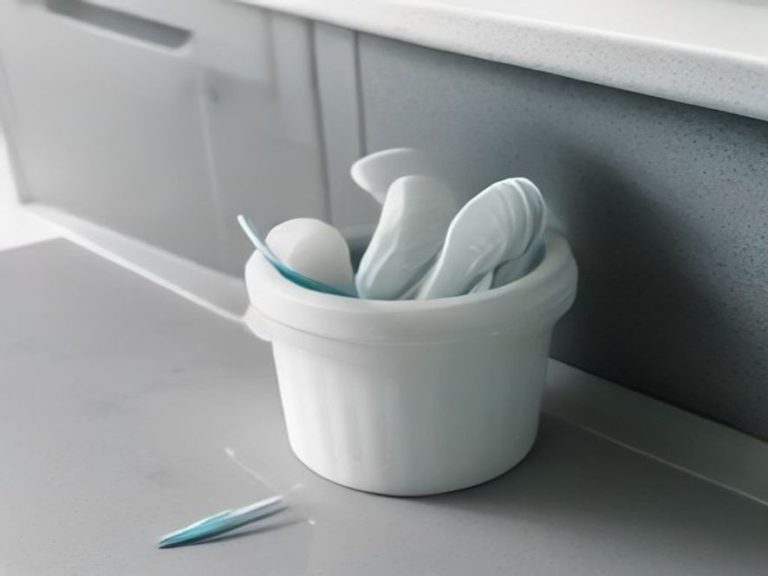
Your lid needs attention, too. Most lids are dishwasher-safe, but check your manual to be sure . For handwashing, use warm, soapy water and a non-scratch sponge. A toothbrush can be helpful for cleaning the rubber seal and tricky rims . For the outer heating base, never submerge it in water. Wipe it down with a damp microfiber cloth. For tough spots, a little dish soap on the cloth is fine, but make sure to wring it out well first .
Why Slow Cookers Get So Hard to Clean
Understanding the causes of a messy slow cooker can help you prevent it. The long, low cooking time is great for flavor, but it can also create a cleanup challenge.
- Long cooking times: The extended heat can cause sauces and sugars to caramelize and stick to the sides and bottom .
- Thick foods: Dishes like chili, mac and cheese, or creamy casseroles are more likely to stick than brothy soups .
- Grease and oils: Fats can leave a film on the insert and lid that regular soap might not fully cut through .
Choosing the Right Cleaning Method
Here’s a quick comparison of popular solutions for tackling a dirty slow cooker.
| Method | Purpose | Effectiveness | Difficulty Level | Cost |
|---|---|---|---|---|
| Hot Water & Soap Soak | Loosen general food residue and grease | Highly Effective for most messes | Easy | $0 (Free) |
| Baking Soda Paste | Lift stubborn, stuck-on food safely | Highly Effective | Easy | $ (Very Low) |
| “Cook” Method (Low Heat with Soap) | Break down baked-on, extra-tough messes | Very Effective | Moderate | $0 (Free) |
| Dishwasher Pod Hack | Dissolve caked-on food with dishwasher detergent | Effective | Moderate | $$ (Low) |
| Steel Wool & Abrasive Pads | Scrubbing away gunk by force | Destructive | Easy | $ (But high risk of damage) |
Important Safety Tips
Following these safety rules will protect you and your appliance.
- Never immerse the base: The slow cooker base contains electrical parts. Submerging it in water can cause damage and serious injury .
- Avoid abrasive tools: Steel wool, scouring powders, and abrasive sponges can scratch the ceramic or non-stick surface of your insert, making it harder to clean in the future .
- Watch the temperature: Don’t add cold water to a hot insert, as it could crack. Let it cool down fully before cleaning .
“Regular cleaning not only extends the life of your appliance, but it also helps ensure great-tasting meals free from lingering flavors.”
Frequently Asked Questions
What is the best way to clean dried-on food from a slow cooker?
The best way is to soak the insert in warm, soapy water for at least 30 minutes. For stubborn spots, use a paste of baking soda and water or dish soap .
Can I use vinegar and baking soda together to clean my slow cooker?
Yes, you can make a fizzy paste with a 1:1 ratio of baking soda and vinegar to help loosen caked-on food. Let it sit for 10-20 minutes before scrubbing .
Can I put my slow cooker insert in the dishwasher?
Many inserts and lids are dishwasher-safe, but you should always check your owner’s manual first to be sure .
How do I clean the heating element of my slow cooker?
Make sure the unit is unplugged and cool. Use a dry microfiber cloth or a dry non-scratch sponge to gently clean the heating element. Never use water on it .
How do I get a burnt smell out of my slow cooker?
Clean it thoroughly, then try the “cook” method with water and baking soda or vinegar on low for an hour to absorb lingering odors .
Can I use OxiClean to clean my slow cooker?
While some people use it, OxiClean is not food-safe and leaves toxic residue. If you use it, you must do a very thorough second cleaning with dish soap and water or run it through the dishwasher .
How can I prevent food from sticking to my slow cooker in the future?
Grease the insert with a thin layer of butter or cooking spray before adding your ingredients, or use a slow cooker liner .
References
Cleaning a slow cooker with dried-on food and grease: Expert tips and safety guidelines:
- ApplianceJournal – How to Clean a Slow Cooker Without Scrubbing
- Tasting Table – How to Remove Baked-On Grease and Grime
- CookProcess – Clean Your Slow Cooker Without Damaging the Pot
- Better Homes & Gardens – How to Clean a Slow Cooker
Cleaning a slow cooker with dried-on food and grease doesn’t have to be a dreaded chore. With these solutions and a little patience, you can have it looking and smelling fresh in no time. By following these tips, you’ll not only fix the mess but also extend the life of your kitchen appliance.
Which kitchen problem do you want solved next? Share your thoughts in the comments.