Hidden Kitchen Appliance Parts You Forget to Clean
Your kitchen countertops gleam, the stovetop sparkles, and the sink is spotless—but there’s a lingering, musty odor you just can’t trace. It’s not your garbage disposal. It’s coming from the places you never think to look.
We all clean the obvious surfaces, but the hidden nooks and crannies of our appliances can become breeding grounds for bacteria, mold, and grime. Ignoring these spots doesn’t just affect your kitchen hygiene—it can impact how well your appliances work and even shorten their lifespan. This guide reveals the causes of those mystery smells and offers practical solutions and tips for the best way to tackle these overlooked areas.
TL;DR
The hidden parts of your kitchen appliances—like your dishwasher filter, fridge door seals, and oven knobs—can harbor more germs and grime than your trash can. Regularly cleaning these forgotten areas is essential for proper kitchen hygiene, appliance performance, and eliminating stubborn odors. Most of these spots require just warm, soapy water and a soft brush to make them like new again.
Key Takeaways
- Hidden parts get dirty fast: Areas like dishwasher filters, refrigerator door gaskets, and toaster crumb trays collect food debris, moisture, and grease that you can’t see .
- They impact performance: A clogged dishwasher filter stops your dishes from getting clean, and dirty fridge coils make your refrigerator work harder and use more energy .
- They’re easy to clean: Most of these hidden parts just need a soak in warm, soapy water and a gentle scrub with an old toothbrush.
- Safety reminder: Always unplug your appliance before cleaning any of its internal or hidden parts.
- Regular maintenance prevents big problems: Cleaning these spots monthly or quarterly keeps your kitchen fresh and your appliances running efficiently.
The Most Overlooked Appliance Parts
Let’s explore the main culprits behind mystery kitchen smells and how to fix them.
1. Your Dishwasher’s Filter and Spray Arms
It seems counterintuitive, but your dishwasher can be one of the dirtiest appliances in your kitchen. Over time, food particles and grease build up in the filter, which can lead to a foul smell and poor cleaning performance. If your dishes are coming out with a film or not getting fully clean, this is usually the reason. Check your manual, but most filters are at the bottom of the tub—twist and lift to remove it, then scrub it clean with warm, soapy water. Don’t forget the spray arms! Food particles can get lodged in the holes, so use a toothpick to clear them out.
2. Your Refrigerator’s Door Gaskets (Seals)
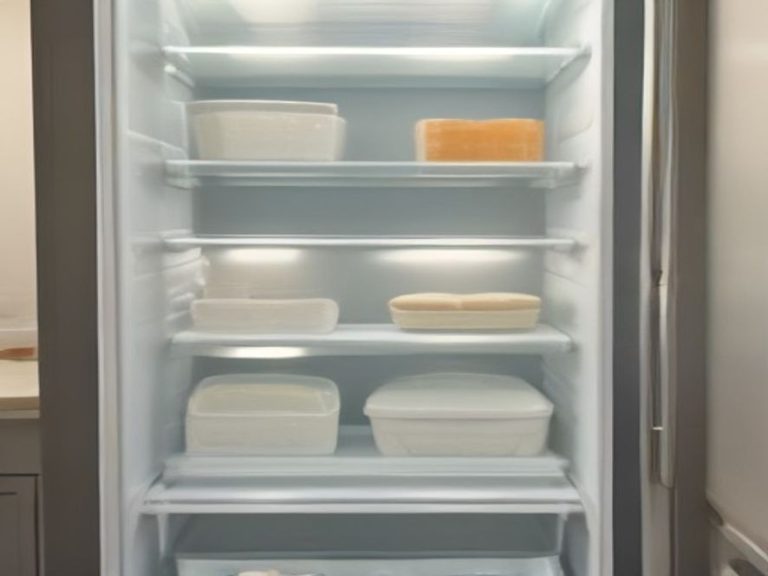
The rubber seal around your refrigerator door is a prime spot for mold and gunk. Crumbs, sticky spills, and moisture can get trapped in the folds. Not only is this unsanitary, but a dirty seal can also break the airtight closure, making your fridge work harder and driving up your energy bill . To clean them, mix a solution of warm water and mild dish soap or a little baking soda. Use an old toothbrush to gently scrub the crevices, then wipe it dry with a clean cloth .
3. The Crumb Tray in Your Toaster
If your toaster smells like burnt toast even when it’s empty, the crumb tray is the culprit. This is the most forgotten part of a toaster . It should be pulled out, emptied, and washed regularly. Let it dry completely before sliding it back in.
4. Your Microwave’s Interior Roof
We’re pretty good at wiping down the microwave turntable and floor. But how often do you look up? The top of the microwave interior catches splatters and grease that get heated, re-heated, and carbonized. It can be a real challenge to clean. A great solution is to place a bowl of water with a few tablespoons of vinegar or lemon juice inside and run it for a few minutes. The steam loosens the gunk, making it easy to wipe away with a damp sponge .
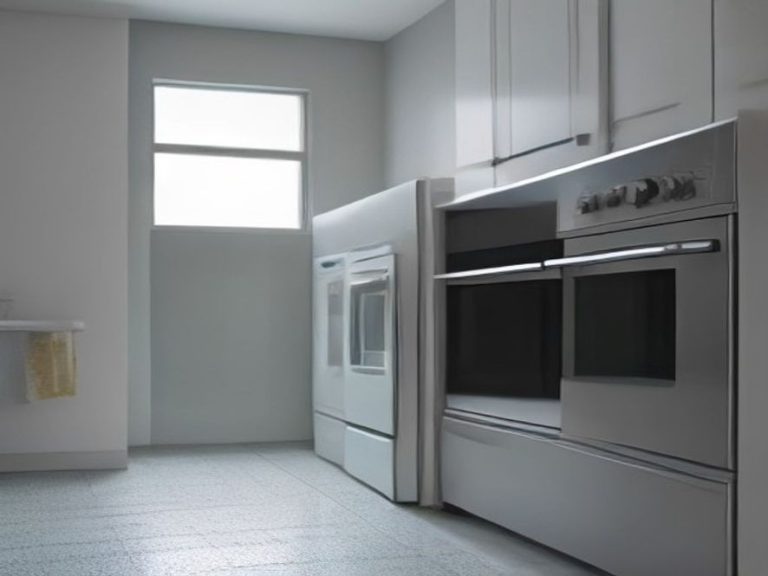
5. Oven Knobs and Control Panel
These get handled constantly, often with greasy or flour-covered fingers. A buildup of grease and food particles on your knobs can eventually lead to them sticking or becoming difficult to turn. Most knobs can simply be pulled straight off and soaked in warm, soapy water. Wipe down the control panel with a damp cloth, but be careful not to let water drip into the electronic components .
“Some of the most bacteria-laden spots in your kitchen are your refrigerator’s vegetable drawer, the knob on your oven, and the seal on your dishwasher.”
Why These Hidden Areas Are a Problem
Understanding the causes of the grime can help you prevent it. When we ignore these spaces, several things happen:
- Bacteria and mold grow: Moisture and food particles create the perfect environment for germs .
- Unpleasant odors develop: That sour, musty, or fishy smell often comes from rotting food trapped in a filter or gasket.
- Appliance efficiency drops: Dirty coils make the refrigerator overwork, and a clogged filter prevents the dishwasher from spraying water properly.
- Food tastes strange: If your ice maker has stale ice or your fridge is absorbing odors, it can affect the taste of your food.
Cleaning Methods Compared
Here’s a quick look at how to tackle these hidden parts effectively:
| Appliance | Forgotten Part | Best Cleaning Method | Cleaning Frequency |
|---|---|---|---|
| Dishwasher | Filter & Spray Arms | Soak in warm, soapy water and scrub with a toothbrush. | Monthly |
| Refrigerator | Door Gaskets | Wipe with a warm, soapy cloth or baking soda paste. | Every 3 months |
| Toaster | Crumb Tray | Empty and wash with warm, soapy water; let dry. | Weekly |
| Microwave | Interior Roof | Steam clean with lemon or vinegar water. | As needed/ Monthly |
| Oven/Range | Knobs & Control Panel | Remove knobs and soak; wipe panel gently. | Quarterly |
| Vent Hood | Filters | Soak in degreaser or hot, soapy water. | Monthly |
More Spots You Might Be Missing
There are a few more places that are worth checking:
- Ice Maker & Water Dispenser: Hard water minerals and mold can build up. Clean it by pouring a vinegar-and-water solution into the reservoir and running a few cycles .
- Garbage Disposal Splash Guard: Those rubber flaps can get slimy. Pry them up and scrub underneath with a bottle brush and soapy water .
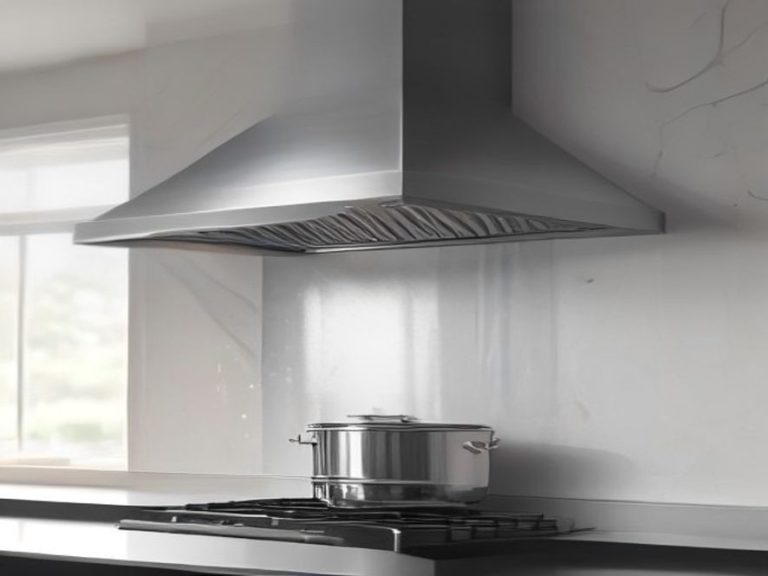
- Grease Trap on Your Vent Hood: If your range hood has a metal mesh filter, it needs to be soaked in a degreaser to remove built-up oil. If it’s disposable, just replace it!
- Air Fryer Heating Element: The coil at the top of your air fryer can get splattered with grease. Once it’s cool, wipe it gently with a damp cloth. Avoid using abrasive scrubbers on it.
- Blender Gasket: That rubber ring at the base of your blender can trap food particles and develop a smell. Remove it and wash it thoroughly in hot, soapy water.
“Regular cleaning prevents grease buildup and bad odors.” By adding these forgotten spots to your regular kitchen cleaning routine, you’ll banish mystery smells and keep your cooking space truly fresh.
Frequently Asked Questions
Why does my dishwasher smell bad even though I run it often?
The most common reason is a dirty filter. Food trapped in the filter or spray arms can create a foul odor. Clean them to solve the problem.
How do I clean the rubber seal on my refrigerator?
Use a solution of warm water and mild dish soap or a paste of baking soda and water. Scrub gently with a toothbrush to remove the grime, then wipe dry .
What is the best way to clean the inside of a toaster?
Unplug it, let it cool, pull out the crumb tray, and wash it. Turn the toaster upside down over the sink and shake it to remove loose crumbs from inside .
Can I put my dishwasher filter in the dishwasher?
It’s not recommended. It’s better to hand-wash it with warm, soapy water and a soft brush to prevent damage.
How often should I clean my kitchen vent hood filter?
You should clean it at least once a month if you cook frequently. Grease buildup is a fire hazard and should be removed regularly.
What’s the best way to clean the ice maker in my fridge?
Dump out the old ice, and wash the bin with warm, soapy water. To clean the system, run a few cycles with a vinegar-and-water solution.
Why is there mold on my refrigerator door seal?
Condensation and food particles trapped in the seal can cause mold growth. This is often a sign that the seal isn’t closing tightly, allowing warm, moist air to enter.
References
Forgetting these hidden kitchen parts? Here’s how to clean them:
- Better Homes & Gardens – 9 Hidden Appliance Parts You’re Forgetting to Clean
- Taste of Home – 7 Parts of Kitchen Appliances You Probably Aren’t Cleaning
- Reader’s Digest – Appliance Parts You’re Forgetting to Clean
- WholeFoods Magazine – A Simple Guide to Cleaning Kitchen Appliances
Your kitchen can only be as clean as its least-cleaned spot. By giving these hidden appliance parts a little attention, you’ll eliminate funky smells, improve performance, and create a healthier cooking space.
Which kitchen problem do you want solved next? Share your thoughts in the comments.