Why Does My Appliance Still Smell Bad After Cleaning?
You scrubbed, you sprayed, you soaked—but that stubborn odor just won’t leave your appliance.
TL;DR
Lingering appliance smells usually come from hidden areas you missed during cleaning. Trapped moisture, forgotten filters, and residue buildup are the main culprits. The solution involves cleaning the right places (gaskets, drain filters, and seals), using the correct methods, and changing a few simple habits like leaving appliance doors open to air out.
Key Takeaways
- Hidden areas trap odors—rubber seals, drain filters, and detergent drawers are common culprits.
- Moisture is the enemy—trapped water creates the perfect environment for odor-causing mold and bacteria.
- Detergent choices matter—liquid detergents and fabric softeners can leave residue that feeds bacteria .
- Regular maintenance prevents buildup—monthly cleaning cycles and filter checks keep smells away.
- Ventilation is key—keeping doors open between uses prevents musty odors from developing.
The Real Reasons Odors Linger
You’ve cleaned your appliance, but the smell remains. Here’s what’s probably happening.
Hidden Areas You Might Have Missed
When you clean an appliance, it’s easy to focus on the main surfaces and forget the nooks and crannies. But odors love to hide in these spots.
Rubber Seals and Gaskets — These are the most common offenders. In front-loading washing machines, the rubber door seal traps moisture, lint, and soap residue. When you don’t wipe it dry, you’re leaving behind a perfect breeding ground for mold and mildew . Dishwasher door seals do the same thing, trapping grease and food particles that can cause foul smells .
Detergent Drawers — In front-loading washers, the drawer where you pour detergent and softener often gets overlooked. Residue builds up in the compartment and the pipe behind it, creating a slimy film that stinks .
Drain Filters and Pumps — Dishwashers have filters that catch food debris. If you never clean yours, food particles break down and create a rotting smell . Same goes for washing machines—a clogged pump filter can cause odors, especially in front-loaders .
Behind and Underneath — Sometimes the smell isn’t from the appliance itself but from the area around it. If your drain hose isn’t installed correctly, odors from your household plumbing can seep back into your appliance .
Moisture Trapped Inside
Closing your dishwasher or washing machine door immediately after a cycle locks damp air inside. That trapped humidity leads to musty, stale smells . In refrigerators, high temperatures allow odor particles to spread more easily .
Detergent Residue Buildup
Using too much detergent or the wrong kind creates soap scum buildup inside your appliance. Liquid detergents and fabric softeners, in particular, leave a residue that bacteria love to feed on . This gunk accumulates in places you can’t see, like the outer tub of your washing machine.
Foods That Leave Their Mark
Strong-smelling foods like fish, onions, and garlic release odor particles that can linger in your refrigerator for a long time. If these foods aren’t sealed properly, their smells can penetrate plastic surfaces, making them very difficult to remove .
How to Eliminate Lingering Odors
For Washing Machines
Step 1: Clean What You Can See
- Wipe the rubber door seal thoroughly, pulling it back to get into all the folds
- Remove and clean the detergent drawer and the compartment behind it
- Clean the pump filter (front-loaders have this behind a panel at the bottom)
Step 2: Run a Deep-Cleaning Cycle
- Run an empty hot cycle with 2 cups of white vinegar or 1 cup of bleach (never both—they create toxic gas!)
- Use the Self Clean or Pure Cycle setting if your machine has one
Step 3: Change Your Habits
- Leave the door open between washes to let the machine dry completely
- Remove wet clothes immediately after the cycle ends
- Consider switching from liquid detergent to powder—many users report this prevents buildup and eliminates odors
- Skip fabric softener—the residue it leaves creates a healthy environment for mildew
For Dishwashers
Step 1: Clean the Filter
- Remove the filter at the bottom of the dishwasher and scrub it clean under running water
- Do this every 2-3 months, or more often if you use your dishwasher daily
Step 2: Run a Maintenance Wash
- Run an empty cycle on the hottest setting
- Add 1 cup of white vinegar directly to the tub (don’t use detergent)
- Some manufacturers recommend using a dishwasher maintenance cleaning powder for best results
Step 3: Wipe Down Seals
- Clean the rubber door seal with warm, soapy water
- Leave the door slightly open after each cycle to prevent moisture buildup
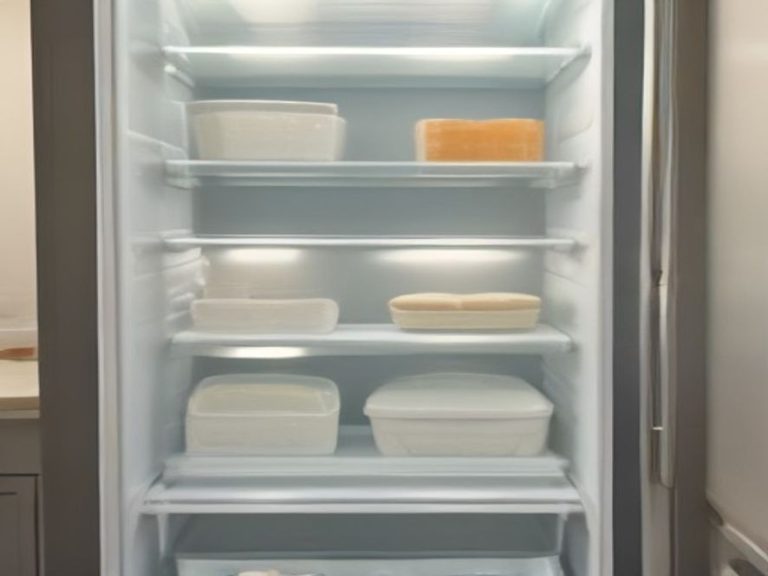
For Refrigerators
Step 1: Check the Temperature
- Lower the temperature setting—higher temperatures allow odor particles to spread more easily
Step 2: Use Natural Deodorizers
- Place an open box of baking soda on a middle shelf—replace monthly
- For stronger odors, spread a full box on a baking sheet and leave it inside for 24 hours
- Activated charcoal is more effective than baking soda for stubborn smells—place bowls on separate shelves for 2-3 days
Step 3: Check the Deodorizer (LG Models)
- Some refrigerators have a deodorizer filter that can be dried in sunlight or with a hairdryer to remove accumulated odors
When to Call a Professional
If you’ve tried everything and the smell still won’t go away, it might be time to call a technician. Here are signs you need professional help :
- The odor persists after multiple deep-cleaning attempts
- Your appliance is more than 12-15 years old—odors could be baked into components
- You suspect a broken or clogged drain hose
- You’ve followed all manufacturer recommendations without success
Prevention is the Best Solution
“Most kitchen problems come from small maintenance habits that are often ignored.”
The easiest way to deal with appliance odors is to prevent them from starting:
| Prevention Tip | How Often |
|---|---|
| Run a maintenance wash with vinegar | Monthly |
| Clean the dishwasher filter | Every 2-3 months |
| Leave appliance doors open to air out | After every use |
| Wipe door seals dry | After every use |
| Clean refrigerator coils | Twice yearly |
| Store food in sealed containers | Always |
FAQ: Appliance Odor Questions
1. Why does my dishwasher still smell bad after cleaning?
You likely missed hidden areas like the filter, door seal, or drain. Food debris trapped in these spots breaks down and causes foul odors .
2. How do I get the smell out of my washing machine?
Run an empty hot cycle with vinegar, clean the rubber seal thoroughly, and always leave the door open to air out the machine .
3. Why does my refrigerator smell even after cleaning?
Strong food odors can stick to plastic surfaces. Lower the temperature, use baking soda or activated charcoal to absorb smells, and ensure all food is sealed in containers .
4. Can using fabric softener cause odors?
Yes. Fabric softener leaves a residue that creates a healthy environment for mildew to grow. Switch to dryer sheets or wool balls instead .
5. How often should I clean my dishwasher filter?
Clean it every 2-3 months, or more often if you use your dishwasher daily .
Which appliance is giving you the most trouble with lingering smells? Share your experience in the comments—I’d love to help you solve it!
References
Expert appliance troubleshooting guides for persistent odors: