How to Clean an Oven With Heavy Grease Buildup: Effective Solutions & Tips
That blackened, sticky mess inside your oven can make you dread cooking and even affect the taste of your food.
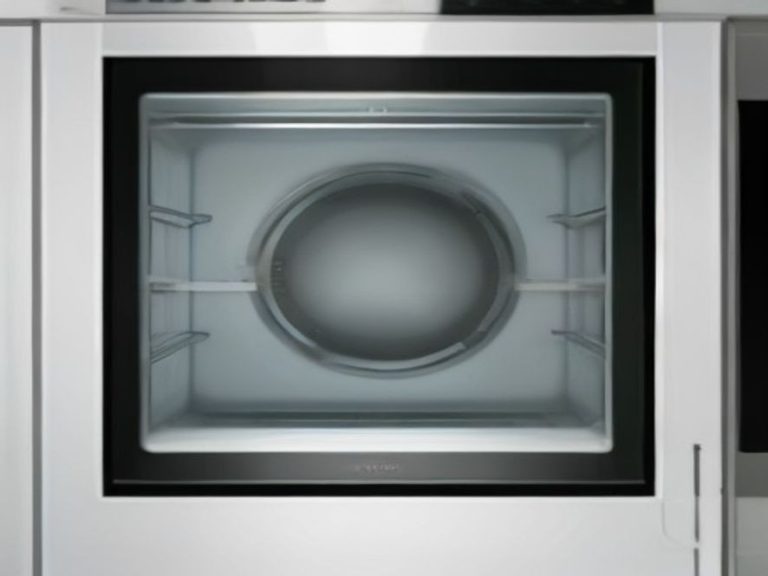
You open the oven door to check on your casserole, and a puff of smoke escapes. The glass is cloudy, the bottom is covered in black crust, and a burnt smell fills the kitchen. This is what happens when grease splatters and food spills bake onto the oven surfaces over time. That sticky, baked-on residue isn’t just ugly—it can make your oven work harder and even give your food an unpleasant flavor. But you don’t need harsh chemicals or hours of elbow grease to fix it.
TL;DR
Cleaning a heavily greasy oven is about letting the right cleaning method do the heavy lifting. The baking soda and vinegar method uses time—not scrubbing—to break down tough grease. For really stubborn carbonized buildup, a pumice stone or a commercial oven cleaner can tackle the worst spots. The key is to be patient, let solutions sit for hours or overnight, and always protect oven surfaces. A clean oven cooks better and smells fresher.
Key Takeaways
- Baking soda paste is a powerhouse: Its alkaline nature breaks down acidic grease, and leaving it on overnight does the work for you.
- Vinegar is the finisher: It helps rinse away residue and neutralizes odors, but it doesn’t cut grease on its own.
- Pumice stones work wonders on heavy crust: This volcanic rock scrubs away burnt-on residue without chemicals, but use light pressure to avoid scratches.
- Safety first: Never use steel wool inside the oven, and always let your oven cool completely before cleaning.
The Real Causes Behind Oven Grease Buildup and How to Fix It
Why Ovens Get So Greasy and Smoky
That stubborn film inside your oven comes from everyday cooking. When fats and oils from roasting, baking, or broiling splatter onto the hot oven walls and floor, the high heat bakes them into a hard, polymerized coating. Over time, this carbonized grease builds up in layers, turning into a dark, sticky residue that regular dish soap can’t touch. The result? Smoke during preheating, unpleasant burnt smells, and even off-flavors transferring to your food.
The Best No-Scrub Solutions for Heavy Grease
Here are the top methods to clean your oven, from natural options to professional-grade tools. Choose the one that best matches your oven’s condition and your cleaning style.
Method 1: The Baking Soda and Vinegar Overnight Soak
This is the most versatile and effective natural method for moderate to heavy grease buildup. Baking soda is alkaline, which helps break down the acidic compounds in grease. When left on for hours, it penetrates and softens the grime without scratching the oven surfaces.
You’ll Need:
- 1 cup of baking soda
- Warm water (to make a paste)
- White vinegar in a spray bottle
- Damp cloths or sponges
- Rubber gloves (optional)
Step-by-Step Fix Guide
- Prepare the Oven: Make sure your oven is completely cool. Remove the oven racks and set them aside to clean separately. Wipe away any loose crumbs with a dry cloth.
- Make and Apply the Paste: Mix ½ cup of baking soda with a few tablespoons of water to form a thick, spreadable paste. Avoid making it too runny. Apply the paste generously to every greasy surface inside the oven—the floor, walls, and door—but keep it away from the vents and heating elements.
- Let Time Do the Work: Close the oven door and leave the paste on for at least 8 to 12 hours (overnight is ideal). This long contact time allows the baking soda to break down the baked-on grease. The paste will turn brown as it absorbs the grime.
- Wipe and Spray: The next day, wipe away as much of the dried paste as possible with a damp cloth. Don’t worry if some residue remains. Now, spray white vinegar over the leftover paste. The fizzing reaction helps lift the remaining loosened residue.
- Final Wipe: Wipe the entire oven interior with a clean, damp cloth until all paste and grease are gone. Use a cloth with clean water for a final rinse, then dry the surface with a towel.
A key reminder: Baking soda does the deep cleaning, while vinegar acts more as a rinsing agent. Don’t expect instant results—the time it sits is the secret ingredient.
Method 2: The Pumice Stone for Heavy, Crusted Buildup
For ovens with years of carbonized buildup that baking soda can’t fully remove, a pumice stone is an effective, inexpensive tool. This porous volcanic rock works through gentle abrasion, scrubbing away the top layers of burnt residue without the fumes of chemical cleaners.
You’ll Need:
- A pumice stone (made for cleaning, not your feet)
- Warm water and a few drops of dish soap
- Rubber gloves
- Spray bottle with water
Step-by-Step Fix Guide
- Prepare the Surface: Ensure the oven is cool. Remove loose crumbs and debris. Spray the problem area with warm, soapy water to lubricate it. Wet the pumice stone as well.
- Scrub Gently: Using light pressure, scrub the greasy buildup in small, circular motions. You’ll see a grayish paste form—this is the pumice mixing with the residue. Wipe it away with a damp cloth and continue until the buildup is gone.
- Important Safety Warnings: Never press too hard. You could scratch the oven’s enamel or porcelain coating, which can lead to rust. Avoid using the pumice stone on painted surfaces or the oven door glass. This method is best for the oven floor and metal grates.
Method 3: Commercial Oven Cleaner (When You Need Maximum Power)
If you have heavy, burnt-on grease and you’re not concerned about using chemicals, a commercial oven cleaner is the fastest solution. Products like Easy-Off are designed to dissolve charred grease quickly.
You’ll Need:
- A commercial oven cleaner spray
- Rubber gloves and safety glasses
- Good ventilation
Step-by-Step Fix Guide
- Prepare and Ventilate: Open your kitchen windows. Wear rubber gloves and safety glasses. Make sure the oven is cool.
- Apply and Wait: Following the product instructions, spray the oven interior, avoiding heating elements and electrical components. Allow the cleaner to sit for the recommended time, usually 10 to 20 minutes.
- Wipe and Rinse: Wipe away the cleaner and dissolved grease with a damp cloth. It’s very important to thoroughly rinse all surfaces with clean water multiple times to ensure no chemical residue remains before you cook again.
What About Cleaning the Oven Racks?
While you’re cleaning the oven, don’t forget the racks. The easiest way is to remove them and soak them overnight in a sink or bathtub filled with hot water and a few drops of grease-cutting dish soap. For stubborn spots, sprinkle baking soda on the racks before soaking, or use a commercial cleaner in a sealed bag (following the product’s safety instructions) for heavy-duty degreasing.
Comparison Table: Oven Cleaning Methods for Heavy Grease
| Method | Purpose | Effectiveness on Heavy Grease | Difficulty Level | Cost |
|---|---|---|---|---|
| Baking Soda & Vinegar | Natural, deep cleaning using chemical reaction and time. | Excellent for moderate to heavy buildup when left overnight. | Easy to Moderate | Very Low |
| Pumice Stone | Physical abrasion for carbonized, crusty residue. | Excellent for the toughest, oldest buildup on certain surfaces. | Moderate | Low |
| Commercial Oven Cleaner | Fast chemical breakdown of burnt-on grease. | Excellent, but can be harsh and requires thorough rinsing. | Easy to Moderate | Medium |
FAQ Section
How often should I clean my oven to prevent heavy grease buildup?
Clean your oven every 3 to 6 months, or more frequently if you use it daily. Regular cleaning prevents grease from carbonizing into a hard, stubborn layer.
Can I use vinegar to cut grease in my oven?
Vinegar helps loosen residue and neutralize odors, but it’s the baking soda that breaks down the grease itself. The two work best together.
Is it safe to use a pumice stone on my oven floor?
Yes, on the oven floor, but use it wet with light pressure and avoid any painted surfaces or glass to prevent scratching.
Can I use the self-cleaning feature to remove heavy grease?
It’s better not to. The extreme heat can cause smoke and odors, and it can even damage your oven’s components. Try a manual method instead.
What is the best natural way to clean a greasy oven?
The baking soda and vinegar method is the best natural option for its ability to break down grease without harsh chemicals or fumes.
Why does my oven smoke when I preheat it?
The smoke is most likely from baked-on grease and food residue burning when the oven heats up. Cleaning the oven thoroughly will solve this problem.
References
Expert Tips for a Cleaner, Safer Oven:
- Martha Stewart: How to Use Vinegar to Remove Stubborn Grease From Your Oven
- Homedit: Baking Soda and Vinegar Oven Cleaning Test
- Yahoo: Cleaning Heavy Oven Buildup with a Pumice Stone
Which kitchen cleaning challenge do you want to tackle next? Share your thoughts in the comments!