How to Deep Clean Kitchen Appliances Without Damaging Them
You finally decide to tackle that greasy stovetop or the mysterious smell coming from your fridge, but a nagging worry stops you: will the cleaner ruin the finish? Deep cleaning your kitchen appliances doesn’t have to be a risky guessing game.
With the right approach, you can make your appliances sparkle and even work better, all without scratching surfaces or damaging sensitive parts. This guide offers practical solutions and tips to help you understand the best way to deep clean safely.
TL;DR
To deep clean safely, always start by unplugging the appliance and letting it cool. Use a gentle approach like warm, soapy water for most surfaces, and reserve stronger tools for specific jobs. Baking soda makes a great, non-abrasive paste for scrubbing, and white vinegar works wonders for cutting grease and descaling—as long as you use it correctly. The golden rule is to match your cleaning method to the material you’re cleaning to avoid causing damage.
Key Takeaways
- Safety is non-negotiable: Unplug your appliance and let it cool down completely before you start any deep cleaning .
- Gentle is better: In most cases, warm water and a few drops of mild dish soap are all you need for a great clean. For tougher grime, a paste of baking soda and water is a safe, effective tool .
- Know your surfaces: A cleaner that’s perfect for one appliance, like a glass stovetop, can scratch or dull another, like stainless steel .
- Don’t forget the small stuff: Clean removable parts like oven racks, drip trays, and filters separately for the most thorough clean .
- Be cautious with harsh chemicals: Products like heavy-duty oven cleaner are powerful but can be risky. They should be used carefully and only on the surfaces they are designed for .
The Safe Approach to Deep Cleaning Your Appliances
A deep clean is more than a surface wipe-down. It means tackling the grime in the hidden spots: the grease behind the range, the crumbs under the fridge drawers, and the residue in the dishwasher filter. This not only makes things look better but also helps your appliances run more efficiently and smell fresher .
Here’s a simple, four-step process for any appliance:
- Prepare: Unplug the appliance. Remove all food, dishes, racks, and filters.
- Clean removable parts: Wash removable parts in warm, soapy water if your manufacturer allows it.
- Treat grime: Use appliance-safe, non-abrasive cleaning products. Harsh abrasives can scratch your stovetop, refrigerator, and other surfaces .
- Dry and reassemble: Thoroughly dry everything before putting parts back and plugging the appliance in.
Appliance-by-Appliance Guide
Ovens and Stovetops
This is the area where most grease and burnt food collects .
- Oven Racks: Remove your oven racks before cleaning the interior. For a super easy method, soak them in a bathtub or large plastic bin filled with hot water and a single dishwasher pod. The enzymes break down the baked-on grease, so you can just rinse them off .
- Oven Interior: For tough messes, you can use a heavy-duty cleaner like Easy-Off. Make sure you’re in a well-ventilated area and follow the instructions carefully . An alternative is to spread a paste of baking soda and water on the interior, let it sit overnight, and wipe it away the next day .
- Glass Stovetops: For a glass cooktop, wait until it’s cool, then use a nonabrasive cleaner and a scraper specifically designed for this surface. Avoid steel wool or rough pads .
- Gas Stovetops: Remove the grates and knobs, and soak them in warm, soapy water. Use a small brush, like an old toothbrush, to clean around the burner parts .
Refrigerators
Your refrigerator needs regular attention to stay fresh and efficient .
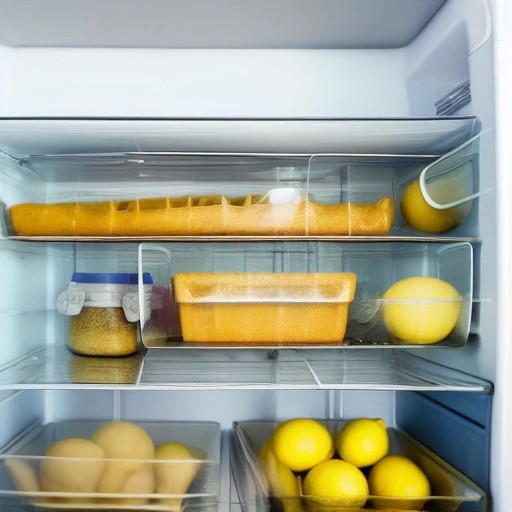
- Interior: Remove all food and take out the shelves and drawers. Let cold glass shelves come to room temperature before washing them in warm, soapy water to prevent cracking . Wipe down the interior walls, shelves, and door seals with a food-safe cleaning solution like a mix of water and vinegar or mild dish soap .
- Coils: Dust on the condenser coils can cause the fridge to work harder and use more energy. If you can access them safely, gently vacuum the coils. If they are hard to reach, it’s best to call a professional rather than risk damaging the appliance .
- Door Seals: Use a small brush to clean in the corners of rubber seals where crumbs and mold can hide .
Microwaves
This is perhaps the easiest appliance to deep clean.
- Place a glass bowl filled with water and a few lemon slices (or a few tablespoons of vinegar) inside and run it on high for about 3 minutes .
- Let it sit for a minute to allow the steam to loosen any baked-on food, then simply wipe the interior clean with a soft cloth or sponge .
“Steam cleaning has also become more common in newer ovens from brands like Samsung and LG. These self-cleaning features use moisture and heat rather than harsh chemicals.”
Dishwashers
Even though it’s made for cleaning, a dishwasher can build up grease and food particles over time .
- Remove and rinse the filter at the bottom of the appliance .
- Wipe down the door seal and the detergent compartment.
- Run a cleaning cycle with a dishwasher-safe cleaner or a cup of white vinegar placed on the top rack .
The Best Cleaners for the Job
Choosing the right cleaning agent is the best way to avoid damage.
| Cleaner | Best For | Why It’s Safe | Precautions |
|---|---|---|---|
| Dish Soap & Warm Water | Almost everything (refrigerator shelves, stovetop exteriors, microwave) | Gentle enough for most finishes and safe around food | Avoid soaking electrical components. |
| Baking Soda Paste | Oven interiors, stubborn stains on stainless steel | Mildly abrasive so it won’t scratch most surfaces, and it’s odor-absorbing | Not recommended for glass cooktops, as it can scratch . |
| White Vinegar | Mineral deposits, hard water stains, coffee makers, microwaves | Excellent for cutting through grease and descaling | Can damage natural stone or certain rubber seals over time; check your manual first . |
| Commercial Oven Cleaner (e.g., Easy-Off) | Heavy, baked-on grease in ovens | Powerful formula dissolves stubborn, burnt-on food | Use in a well-ventilated area with gloves. Never use on self-cleaning ovens, as it can damage the enamel and create toxic fumes . |
Pro Tips for Safe and Effective Cleaning
Beyond the basics, professional cleaners follow a few golden rules to get amazing results without causing accidental harm.
- Start from the top and work down: Tackle upper cabinets and appliances first so that any dust or debris you knock off doesn’t land on a freshly cleaned lower surface .
- Use the right tools: Soft microfiber cloths and gentle sponges (like the Scotch-Brite Zero Scratch Sponge) are a safe bet for most surfaces. Avoid steel wool or rough scouring pads .
- Spray the cloth, not the surface: When working on painted cabinets or delicate electronics, spray your cleaner onto the cleaning cloth first. This controls the amount of moisture and prevents the liquid from seeping into seams or damaging the finish .
- Don’t forget what’s underneath: Dust and crumbs accumulate under your major appliances. You don’t always need to move them. Using a flat vacuum attachment or a long-handled duster with a microfiber cloth can reach these spots .
Frequently Asked Questions
What is the best and safest all-purpose cleaner for kitchen appliances?
A simple solution of warm water and a few drops of mild dish soap is effective and safe for most appliance surfaces, including stainless steel, glass, and plastic .
Can I use vinegar to clean my stainless steel refrigerator?
Yes, a cloth dampened with diluted white vinegar can clean and shine stainless steel . However, it’s a good idea to test it on a small, hidden area first and always wipe with the grain.
Is it safe to use a self-cleaning oven feature?
It can be effective, but it uses extremely high heat and can create strong odors or smoke, especially if the oven has a lot of grease buildup. It’s also not recommended for older ovens or homes with pets .
How do I clean under my heavy appliances without moving them?
Use a flat vacuum attachment that can slide underneath, or take a microfiber cloth and attach it to the end of your mop handle to sweep out dust and debris .
Can I put my oven racks in the dishwasher?
Some racks are dishwasher safe, but it’s best to check your manufacturer’s manual. A safer method is to soak them in a bathtub with hot water and a dishwasher pod to dissolve the grease .
What’s the best way to clean a glass cooktop without scratching it?
Let it cool completely, then use a non-abrasive cleaner and a scraper specifically designed for cooktops to gently remove burnt-on food. Avoid steel wool and rough sponges .
How often should I deep clean my kitchen appliances?
A good rule of thumb is to perform a deep clean of your oven, refrigerator, and dishwasher every three to four months, or whenever you notice a buildup of grime or odors .
References
Safe and effective methods for deep cleaning kitchen appliances:
- Get it Done Cleaning – Kitchen Appliance Deep Cleaning That Works
- The Spruce – How to Degrease Kitchen Appliances, According to Pro Cleaners
- Martha Stewart – The Right Way to Clean Under Your Kitchen Appliances
- Which? – How to deep clean your kitchen appliances
Deep cleaning your kitchen appliances doesn’t have to be a stressful ordeal. By using the right methods and a little patience, you can fix grime problems and keep your appliances running smoothly for years.
Which kitchen problem do you want solved next? Share your thoughts in the comments.