How to Clean a Rice Cooker After Food Gets Burned Inside
You lift the lid, expecting fluffy, perfect rice, but instead, you’re greeted with a plume of smoke and the unmistakable smell of something burning. That sinking feeling hits—you’ve burnt the rice, and now your trusty rice cooker looks like a science experiment gone wrong.
We’ve all been there. It’s a classic kitchen mishap that can turn a simple meal into a cleanup nightmare. But don’t panic! A burnt bottom doesn’t mean your appliance is ruined. This guide will walk you through the best way to clean a rice cooker after food gets burned inside, offering practical solutions, tips, and causes to help you fix the problem and prevent it from happening again.
TL;DR
The best way to rescue a rice cooker with burnt food is to let it cool, then soak the inner pot with warm water and dish soap. Gently scrub with a non-abrasive sponge and use baking soda for stubborn spots. Clean the heating plate separately with a damp cloth. This simple, gentle approach will restore your cooker without damaging its non-stick surface.
Key Takeaways
- Patience is crucial: Never clean a hot rice cooker. Always unplug and let it cool completely to avoid injury and damage.
- Soak, don’t scrape: The most effective way to loosen burnt-on food is a good soak. Avoid using steel wool or abrasive cleaners.
- Baking soda is a gentle powerhouse: A simple paste of baking soda and water can tackle even the most stubborn, scorched bits safely.
- Don’t neglect the heating plate: Burnt food debris often spills onto the heating element. Cleaning it is essential for performance.
- Prevention is key: Proper water-to-rice ratios and rinsing your rice can significantly reduce the risk of burning.
How to Clean a Burnt Rice Cooker: A Step-by-Step Guide
When your dinner plans go up in smoke, following the right steps is key. Here’s a complete guide to tackling the problem safely and effectively.
Step 1: Safety First – Unplug and Cool Down
This is the most important step. Before you do anything else, unplug your rice cooker from the wall outlet. The appliance is hot and could cause burns. More importantly, you must avoid mixing water with a hot electrical element. Let the entire unit cool down for at least 30 minutes to an hour. Trying to clean it while it’s still hot can damage the non-stick coating and is a safety hazard.
Step 2: Remove and Soak the Inner Pot
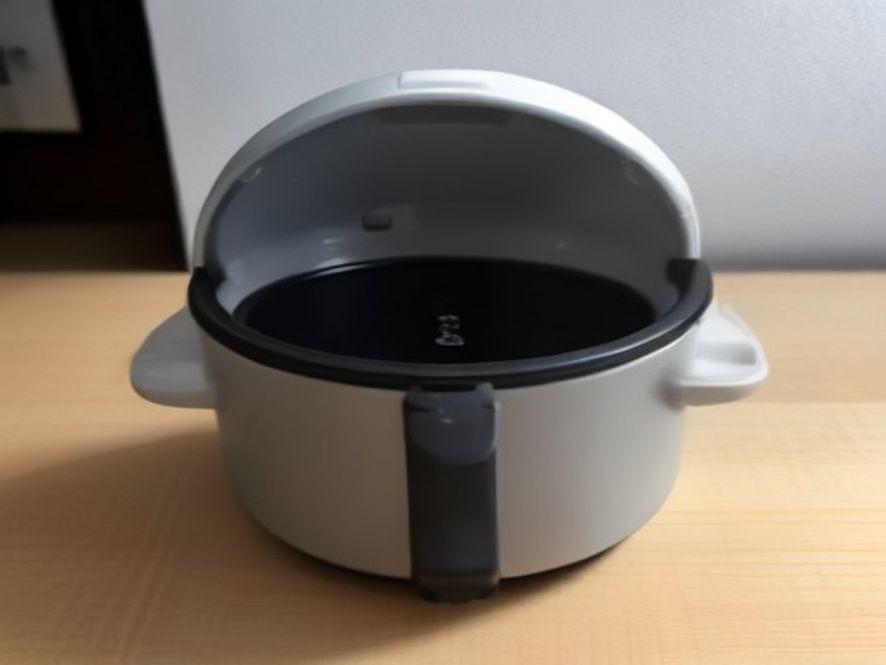
Once the cooker is cool, remove the inner cooking pot. This is the bowl that actually holds the rice. Take it to the sink and fill it with warm, not boiling, water. Add a few drops of mild dish soap. Let it soak for at least 30 minutes. For particularly stubborn, carbonized bits, soaking overnight is your best bet. This soaking process is the best way to rehydrate the burnt starch and make it easy to remove.
Step 3: Gentle Scrubbing and Using a Baking Soda Paste
After soaking, the burnt-on rice should be much softer. Use a soft, non-abrasive sponge or a soft cloth to gently scrub the pot. Your goal is to preserve the non-stick coating, so stay away from steel wool or scouring pads.
For spots that are still stubborn, create a paste with baking soda and a little water. Apply this paste to the burnt areas and let it sit for 5–10 minutes before gently scrubbing. The mild abrasive quality of baking soda helps lift the stain without scratching.
“A little patience and a gentle scrub will get your pot looking new without causing any damage.”
Step 4: Tending to the Lid and Steam Vent
Don’t forget the lid! Burnt rice can also create a starchy mess on the underside of the lid and clog the steam vent. If your model has a removable inner lid, take it out and wash it with warm, soapy water. For the steam vent, use a toothpick, cotton swab, or pipe cleaner to carefully remove any buildup. A clear vent is essential for proper pressure regulation and preventing future issues.
Step 5: Cleaning the Heating Plate (The Base)
This is often overlooked but very important. With the inner pot removed, check the heating plate at the bottom of the main unit. Spilled food or starchy water often cooks onto this surface, which can cause a burnt smell and poor heat distribution.
This is where caution is critical: never pour water or spray cleaner directly into the base of the rice cooker. Instead, wring out a damp cloth until it’s almost dry and carefully wipe the heating plate clean. For burnt spots on the metal heating plate, you can use ultra-fine sandpaper (like 600-grit) very gently, or dip a cloth in white vinegar to help dissolve the residue. Always follow up with a dry cloth.
Step 6: Dry and Reassemble
Before you put your rice cooker back together, make sure every part you’ve cleaned is completely dry. Wipe the inner pot and lid with a dry towel. Ensure the heating plate is dry. Reassembling a damp cooker can lead to electrical issues or mold growth over time.
Why Did My Rice Burn in the First Place?
Understanding the causes can help you avoid this problem in the future. The most common reasons are:
- Not Enough Water: Without enough liquid, the rice will cook dry and scorch on the bottom.
- Leaving Rice on “Warm” Too Long: The keep-warm setting can dry out and burn the bottom layer of rice if it’s left on for many hours.
- A Dirty Heating Plate: Any food debris, starch, or oil on the heating plate will scorch the next time you use the cooker, creating a hot spot.
- Not Rinsing the Rice: Washing away excess surface starch helps prevent a thick, gluey residue from sticking to the bottom.
“Most kitchen problems come from small maintenance habits that are often ignored.” Taking a moment to rinse your rice and wipe down the heating plate after each use can make a world of difference.
Choosing the Right Cleaning Method
To help you understand which cleaning tactic is right for you, let’s look at a quick comparison:
| Item/Method | Purpose | Effectiveness | Difficulty Level | Cost |
|---|---|---|---|---|
| Soaking (Warm Water & Soap) | Loosens cooked-on food | Very Effective | Easy | $0 (Free) |
| Baking Soda Paste | Lifts stubborn burnt spots without scratching | Highly Effective | Easy | $ (Very Low) |
| White Vinegar Soak | Dissolves mineral deposits and light scorch marks | Moderately Effective | Easy | $ (Very Low) |
| Ultra-Fine Sandpaper | Removing tough carbon deposits from metal heating plates | Effective | Moderate | $ (Low) |
| Abrasive Sponges/Steel Wool | Scrubbing away gunk | Destructive | Easy | $ (Low, but risk high) |
Prevention is Better Than a Scorched Cleanup
The easiest way to deal with a burnt mess is to prevent it from happening. Here are a few simple habits to adopt:
- Rinse your rice: Rinse raw rice in a bowl or strainer until the water runs clear. This removes excess starch, which is a primary culprit for sticking and burning.
- Measure your water correctly: Use the correct water-to-rice ratio. Most rice cookers have markings on the inside of the pot to help you.
- Don’t overfill the pot: Cooking too much rice can cause it to boil over and create a mess on the heating plate.
- Wipe down after each use: Once the cooker is cool, quickly wipe the outer and inner heating plate to remove any grease or food spills. This is a cornerstone of good kitchen maintenance.
Frequently Asked Questions
How do I get the burnt smell out of my rice cooker?
A burnt food smell usually dissipates once the appliance is thoroughly cleaned. However, you can run a cycle with water and a few tablespoons of baking soda to neutralize lingering odors.
Can I use vinegar to clean the burnt bottom of my rice cooker?
Yes, for metal heating plates, you can use a cloth dampened with white vinegar to gently rub off burnt spots. It should be followed by a dry cloth to prevent electrical damage.
What is the best way to clean a non-stick inner pot without scratching it?
Always use a soft sponge or cloth. For stubborn bits, a soak and a baking soda paste are the safest and most effective options. Avoid metal utensils and scouring pads at all costs.
Why does my rice cooker smell burnt even after cleaning?
The smell might be coming from debris on the heating plate or in the steam vent, not just the inner pot. Thoroughly clean these areas as well. If the smell is a sharp, plastic-like odor, it could be an electrical issue, and you should stop using the cooker immediately.
What should I do if rice is stuck to the heating plate?
Never pour water directly onto the heating plate. With the appliance unplugged and cool, use a slightly damp cloth or a piece of ultra-fine sandpaper to gently scrub the burned-on food away.
What causes rice to burn in the cooker?
The main causes are not using enough water, leaving the rice on the “keep warm” setting too long, or having a dirty heating plate that creates hot spots.
Is it safe to use a rice cooker after it burned?
Yes, as long as the unit is thoroughly cleaned and the smell is purely from burnt food, not burnt plastic or wires.
References
Cleaning a burnt rice cooker: Expert tips and safety guidelines:
- ApplianceJournal.com – Burnt Smell Causes and Fixes
- We Know Rice – Sticky Rice Residue Cleaning
- Panasonic Rice Cooker Deep Cleaning Guide
- Tasting Table – Unexpected Tools for Cleaning
Cleaning a burnt rice cooker might seem daunting, but with these simple steps, you can have it looking and smelling fresh in no time. Remember, the guide is simple: cool, soak, scrub gently, and dry thoroughly. By following these solutions, you’ll not only fix the problem but also extend the life of your kitchen appliance.
Which kitchen problem do you want solved next? Share your thoughts in the comments.