
Kitchen Drawer and Cabinet Organization System for a More Functional Kitchen
You open your kitchen drawer, and instead of finding what you need, you’re met with a tangled mess of spatulas, lost lids, and gadgets you forgot you owned.
It’s a frustrating start to any cooking session. The good news is that a functional kitchen organization system isn’t about having more space—it’s about using the space you have more wisely. Professional organizers agree that thoughtful systems make cooking easier and more enjoyable . Let’s build one together.
TL;DR
An effective kitchen organization system combines a “zone” approach with the right storage tools. Start by emptying and ruthlessly decluttering everything . Group items by function (e.g., “baking zone” near the oven) to create a logical workflow . Use drawer dividers, pull-out shelves, and clear containers to keep categories separate and visible . Place daily-use items in the most accessible spots—usually top drawers and front-of-cabinet areas . The goal is that every item has a designated “home” so putting things away becomes as easy as getting them out.
Key Takeaways
- Declutter First: Remove everything and only keep items you actively use—decluttering is the single most effective way to create space .
- Create Zones: Group items by function, like a “baking zone” near the oven or a “prep zone” near the counter.
- Use Dividers and Inserts: Drawer dividers and cabinet organizers keep categories separated and visible, preventing piles .
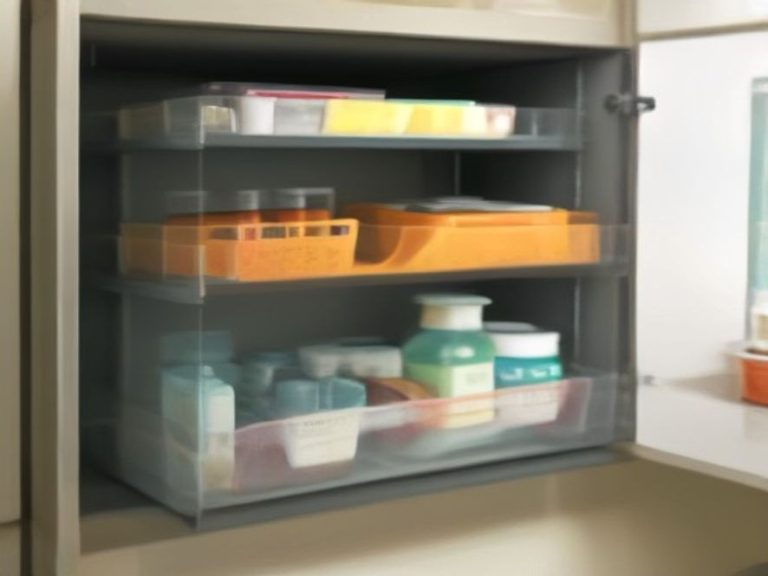
- Think Vertically: Add tiered shelves, risers, and utilize cabinet doors for extra storage .
- Prioritize Accessibility: Keep frequently used items at eye level or in top drawers, and move seasonal or bulky items to less accessible spots .
The Real Reason Your Kitchen Feels Disorganized and How to Fix It
A disorganized kitchen usually isn’t because you have too much stuff—it’s because your stuff lacks a logical “home.” Without a system, items get shoved into any open space, creating chaos over time. The solution is simple: create a functional zone system.
Think of your kitchen not as one big storage area, but as a series of smaller stations: washing, prepping, cooking on the stovetop, and baking . The principle is to store the items you need for each task right where you perform that task. Knives and cutting boards go near the prep area; pots, pans, and spatulas go near the stove; mixing bowls and baking sheets go near the oven.
Step-by-Step Fix: Building Your System
The pros at Houzz describe the foundational method for creating a genuinely organized kitchen that stays organized . Let’s walk through it:
Step 1: Empty Everything and Declutter
This is the first and most crucial step. Take everything out of your drawers and cabinets and place it on your counter or table. “Physically handling each item forces you to make decisions about keeping, donating or discarding,” says certified professional organizer Karen Duncan . This is the moment to be ruthless. Scan for duplicates (how many slotted spoons does one kitchen need?) and let go of single-use gadgets you haven’t touched in a year .
Step 2: Clean Your Empty Space
Now that your cabinets are empty, give them a thorough cleaning. Professional organizer Devon Fegen-Herdman notes that creating “white space” (space between items) makes a space feel larger and more organized . Cleaning helps reset the space for this fresh start.
Step 3: Group Items by Zone
Sort all your kitchen items into logical groups. This might mean a “baking” pile, a “cooking tools” pile, a “food storage” pile, and so on. This process helps you see the “big picture” and assess what you have .
Step 4: Strategically Place Your Organizers
Once you’ve chosen a “home” for each zone, it’s time to select the right tools to make that zone functional.
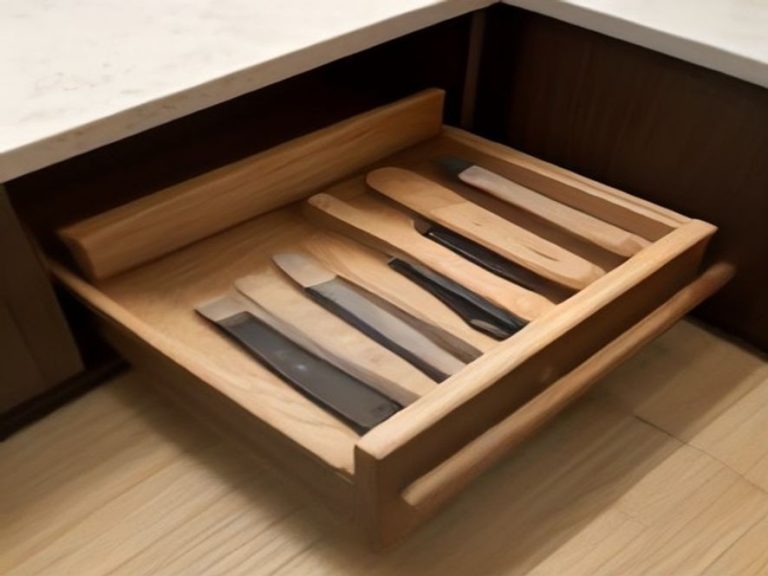
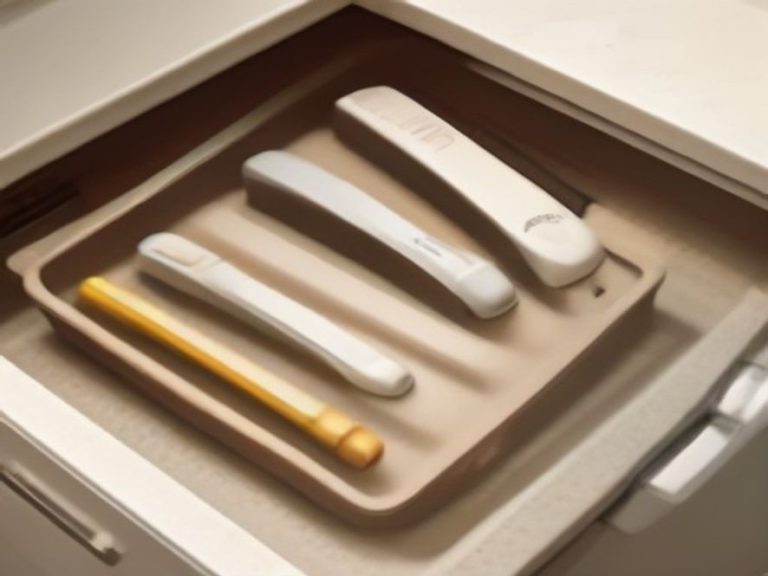
- For Drawers: Use expandable dividers and cutlery trays to create designated sections . A “spring-loaded divider” can be particularly useful for separating large utensils .
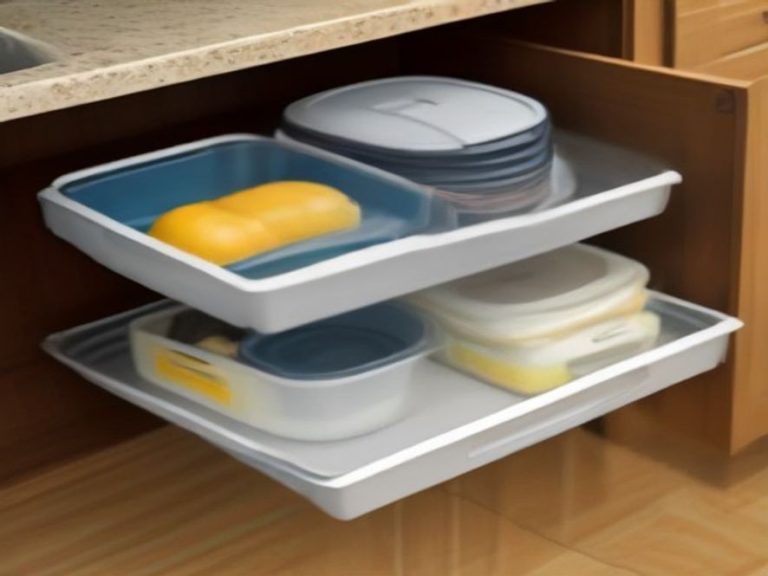
- For Deep Cabinets: Install pull-out shelves or roll-out drawers. “Extra-deep lower cabinets benefit from roll-out shelves… [they] will allow you to easily see the cabinet’s entire contents” .
- For Spices: Use a tiered riser or a dedicated spice drawer organizer to keep everything visible and in alphabetical order .
- For Dry Goods: Store food items like pasta and grains in clear, airtight containers . This makes it easy to see your stock and keep things fresh.
- For Pots, Pans, and Lids: Store pans side-by-side rather than stacked . Use a lid stand or dividers to keep lids upright and accessible .
Comparison Table: Best Kitchen Organization Systems
Choosing the right tool depends on what you’re storing and the type of space you have.
| Zone/Tool | Best For | Effectiveness | Why It Works |
|---|---|---|---|
| Expandable Drawer Dividers | Separating utensils, gadgets, and tools | High | Customizable to any drawer size and allows you to create “flexible” sections |
| Pull-Out Cabinet Shelves | Deep lower cabinets and pantries | Very High | Brings the entire back of the cabinet to you; eliminates “dark corners” |
| Tiered Shelf/Riser | Spices, cans, and jars | High | Doubles storage space and makes items in the back visible |
| Clear Food Storage Containers | Pantry staples (pasta, flour, snacks) | High | Provides visibility, keeps food fresh, and prevents pantry clutter |
| Drawer Pegboard Organizer | Pots, pans, and plates | High | Highly customizable; prevents precarious stacking |
| Lazy Susan/Turntable | Corner cabinets and spices | Medium-High | Improves accessibility in hard-to-reach spots with a simple spin |
FAQ: Your Kitchen Organization Questions Answered
1. What is the most important first step in organizing a kitchen?
Empty everything out and declutter ruthlessly. You can’t organize what you don’t know you have . “This is my number one solution to maximize any space,” says professional organizer Megan Cocchiaro .
2. What are “zones” in kitchen organization?
Zones are designated areas for specific tasks (e.g., washing, prepping, cooking) . The goal is to store the items you need for each task right where you perform it. This is the core of a functional system .
3. What is the best way to organize deep kitchen cabinets?
Install pull-out shelves or roll-out trays. They allow you to easily see and access the back of the cabinet without having to reach blindly into the “black hole” .
4. How can I organize a messy utensil drawer?
Use expandable dividers or a cutlery tray. An easy approach is to create broad “zones” for categories like “spatulas and spoons,” “whisks and tongs,” and “peelers and zesters” .
5. Should I use a knife block or store knives in a drawer?
Storing knives in a dedicated in-drawer knife block is often better. It frees up counter space, protects the knives’ blades, and keeps them safely organized and easy to grab .
6. How do I keep my pantry organized and reduce waste?
Transfer dry goods like flour, rice, and snacks into clear, airtight containers . This lets you see exactly what you have and helps prevent buying duplicates.
7. What is a cheap and easy organizing hack?
Use small boxes (like old gift boxes or phone boxes) as DIY drawer dividers. This costs nothing and is a great way to create custom sections for small items.
The goal of a kitchen organization system isn’t perfection—it’s function. The true test of a good system is whether it makes your daily cooking easier and less stressful. When every item has a designated “home” and you can grab what you need in seconds, your kitchen works with you, not against you.
Which kitchen area is your biggest organization challenge? Share your thoughts in the comments!
Practical Kitchen Organization Systems and Design Tips for a More Functional Cooking Space: