How to Organize Kitchen Drawers by How Often You Use Things: Priority-Based Storage Guide & Smart Access Solutions
You’re standing in front of your kitchen drawer, reaching for that one spatula you always use, but it’s buried under three others you never touch.
The frustration is real. We all have kitchen drawers filled with tools, but somehow the ones we actually use daily always seem to hide at the very bottom. The best way to organize kitchen drawers isn’t about making them look pretty—it’s about matching your storage system to your actual cooking habits. When you organize by frequency of use, you’re not just tidying up; you’re building a kitchen that works with you, not against you.
TL;DR
Organize kitchen drawers by creating three access zones based on how often you use items. Daily-use tools go in the most convenient drawer, closest to where you cook. Weekly-use items go in secondary drawers or the back of main drawers. Monthly or occasional items get stored in less accessible cabinets or deeper storage areas. This system puts the tools you reach for most right at your fingertips, saving you minutes of digging every single cooking session. The result? A kitchen that feels intuitively organized and actually speeds up your daily cooking routine.
Key Takeaways
- Create three frequency zones: Daily, weekly, and occasional use.
- Place daily-use tools within 18 inches of your stove. This is where you work most.
- Use the front of the drawer for daily items, back for weekly. The front is prime real estate.
- Move rarely used gadgets to cabinets or high shelves. They don’t need prime drawer space.
- Re-evaluate seasonally. Your cooking habits change—your organization should too.
- The goal isn’t perfection; it’s accessibility. A system that’s easy to maintain beats a perfect-looking one every time.
Why Organizing by Frequency Actually Works
Most kitchen organization advice focuses on making things look neat—matching containers, uniform trays, and perfectly aligned utensils. But here’s the truth: visual perfection usually comes at the cost of practicality.
When you organize by frequency, you’re solving the real problem: access speed. Your brain knows what you use daily. Your body reaches for those items without thinking. When they’re hidden behind lesser-used tools, you waste time and mental energy.
The Science Behind Frequency-Based Organization
Think about how you move through your kitchen. You don’t use every tool equally. Most of us use about 20% of our kitchen tools about 80% of the time. That’s the 80/20 rule in action.
The smart approach is to give that 20% of daily-use tools the best real estate in your kitchen. Move everything else out of the way. This reduces clutter where you work most and makes cooking faster and more enjoyable.
“The secret to an organized kitchen is not having more space—it’s putting the right things in the right place based on how you actually live.”
Step-by-Step Guide to Frequency-Based Drawer Organization
Step 1: Observe Your Natural Cooking Habits
Before you move anything, spend a few days paying attention to your kitchen routines. Notice what you reach for most often. This isn’t about guessing; it’s about observing your actual behavior.
Questions to ask yourself:
- What utensils do I grab every single day?
- What tools do I use once or twice a week?
- What gadgets have I not touched in months?
- Where do I naturally stand when I cook? (This is your “heat zone.”)
- Where do I prep ingredients? (This is your “prep zone.”)
Italicized practical tip: Keep a small notepad on your counter for three days. Each time you open a drawer, jot down what you took out. You’ll be surprised at what you use daily versus what sits untouched.
Step 2: Sort Your Tools Into Three Frequency Tiers
Once you’ve observed your habits, it’s time to sort. Empty all your drawers completely—don’t skip this step. Then, sort your tools into three categories based on how often you use them.
Tier 1: Daily-Use Tools
These are your kitchen workhorses. You reach for them every single time you cook.
- 1–2 favorite spatulas
- Wooden spoons
- Tongs
- Chef’s knife (often stored separately on a magnetic strip)
- Measuring spoons (if you cook daily)
- The peeler you actually use
Tier 2: Weekly-Use Tools
You use these regularly but not every day. They still deserve decent access.
- Ladles
- Whisks
- Pastry brushes
- Graters
- Rolling pin
- Kitchen shears
- Extra spatulas or spoons (the ones you don’t reach for daily)
Tier 3: Occasional or Specialty Tools
These are your “what if” tools. You use them once a month or less.
- Specialty gadgets (like avocado slicers, cherry pitters)
- Holiday-specific items (cookie cutters, turkey lifters)
- Duplicate tools
- Items you inherited but rarely use
- Appliances that come out twice a year
Step 3: Map Your Drawer Hierarchy
Now that you know what you use most, it’s time to assign drawers based on access. Your most convenient drawer—usually the one right next to your stove—is prime real estate. Reserve it for Tier 1 daily-use tools.
Drawer Access Hierarchy:
- Prime Drawer (Within 18 inches of stove): Tier 1 daily-use tools only.
- Secondary Drawer (Near prep area or sink): Tier 2 weekly-use tools.
- Tertiary Drawer or Cabinet: Tier 3 occasional tools—these can be stored further away, in less convenient spots.
- Upper Cabinets: Store the truly occasional items like specialty baking tools or holiday gadgets.
Step 4: Design Your Prime Drawer for Speed
Your prime drawer is where you keep your daily-use tools. This drawer should be organized for maximum speed and minimal thinking. Here’s how to set it up:
Front Zone (Most Accessible): Place the top 3–5 tools you reach for every single time you cook. For most people, this is a spatula, wooden spoon, tongs, and ladle.
Middle Zone (Secondary Access): Place tools you use several times a week but not necessarily every day. This could be a whisk, kitchen shears, or a slotted spoon.
Back Zone (Occasional Within the Drawer): Keep a small section for the tools you use weekly but don’t need to grab instantly. This might be a pastry brush or a specific scoop.
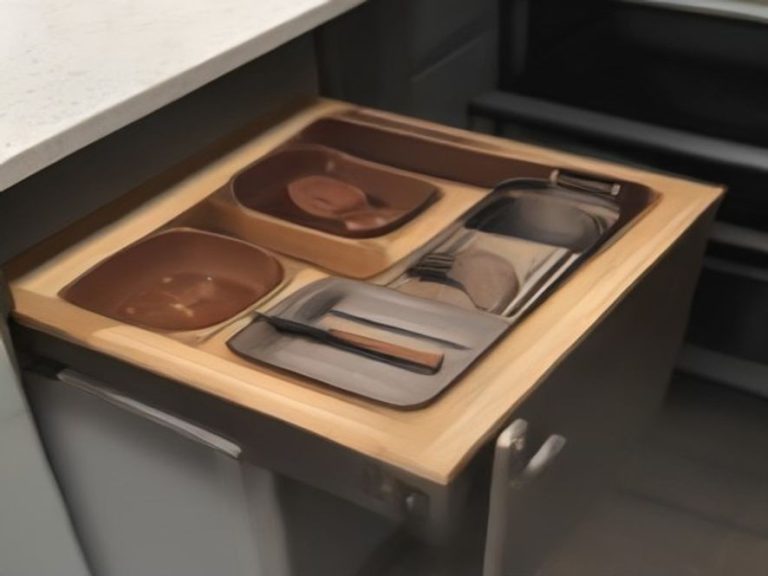
Italicized practical tip: If you have a deep drawer, consider using a drawer insert or vertical dividers to keep daily-use tools standing up and visible. This makes grabbing them even faster.
Step 5: Use a Countertop Crock for True Daily Essentials
Some tools don’t belong in drawers at all. A utensil crock on your counter right next to your stove gives you instant access to your most-used items without opening anything.
What belongs in a crock?
- The spatula you use for every meal
- Your go-to wooden spoon
- Tongs you grab for stir-frying
- A whisk if you cook often
- Any tool you reach for without thinking
This removes those essential tools from your drawer entirely, freeing up space and making cooking faster.
Step 6: Rotate Seasonally
Your cooking habits change with the seasons. You might grill more in summer or bake more in winter. Frequency-based organization should adapt.
Seasonal Check-In:
- Spring/Summer: Move grilling tools, salad servers, and citrus zesters to easier access.
- Fall/Winter: Bring slow cooker tools, large serving spoons, and baking gadgets to the front.
- After holidays: Put specialty holiday tools (cookie cutters, turkey lifters) into less accessible storage.
Italicized practical tip: Do a quick 5-minute drawer review every three months. Ask yourself: “Have I used these tools recently?” If not, swap them with something you actually use.
Step 7: Store Occasional Tools Smarter
Tier 3 tools deserve a home, just not prime drawer real estate. Here’s where to put them:
- Upper cabinets: Store specialty baking tools, holiday gadgets, and items you use less than once a month.
- Deep pantries: Store bulky items like pasta makers, deep fryers, or large roasting pans.
- Garage or basement: Store seasonal items like ice cream makers or huge turkey roasters that you only use once a year.
- Under-sink cabinets: Store cleaning supplies (but not food tools).
- Alternate storage: Consider a rolling cart or pegboard for items that don’t fit well in drawers.
Comparison Table: Best Storage Spots by Frequency of Use
| Storage Location | Best For | Access Speed | Frequency Tier | Cost |
|---|---|---|---|---|
| Countertop Crock | Absolute daily essentials (1–2 spatulas, tongs, spoon) | Instant | Tier 1 | Low |
| Prime Drawer (Near Stove) | Daily-use cooking tools | Fast (open and grab) | Tier 1 | Free (just reorganize) |
| Secondary Drawer (Prep Area) | Weekly-use prep tools | Moderate (a few steps away) | Tier 2 | Free |
| Tertiary Drawer (Sink Zone) | Weekly-use cleaning/tidying items | Moderate | Tier 2 | Free |
| Upper Cabinets | Specialty tools, baking items | Slow (needs reaching) | Tier 3 | Free |
| Deep Pantry/Storage | Large occasional items (pasta maker, roaster) | Very Slow | Tier 3 | Free |
Pro Tips for Specific Frequency Challenges
What If You Have a Really Small Kitchen?
In a tiny kitchen, you may only have one usable drawer. That’s okay! You’ll just need to be more strategic. Use a countertop crock for your most-used items, and allocate the drawer to your next most-used tools. Store everything else in cabinets or consider installing a magnetic knife strip and pegboard to save drawer space.
What If You Have Multiple People in the Household?
If you share a kitchen with others, frequency-based organization becomes even more important. Label drawer sections so everyone knows where things belong. Include everyone in the sorting process so they understand the system and feel invested in maintaining it.
What About Items You Use Once a Week but Remember Every Time?
If you always remember to use a specific tool weekly, put it in your Tier 2 area but make sure it’s visible. Consider placing it at the front of a secondary drawer so you see it and remember to use it.
Why Frequency Beats Function in Long-Term Organization
Most people organize their kitchen drawers by function—spatulas with spatulas, peelers with peelers. But here’s the problem: when you organize by function, you might put a peeler you use every day in a drawer far from your stove, while a whisk you use monthly sits in prime real estate.
Frequency beats function every time.
Organizing by frequency means the things you use most go where you can reach them most easily. It respects your natural workflow and reduces the time and mental energy you spend hunting for tools. The result isn’t just a tidier kitchen—it’s a faster, more enjoyable cooking experience.
Frequently Asked Questions
How do I know which tools I actually use daily?
For three days, keep a notepad near your kitchen. Every time you open a drawer, write down what you took out. After three days, you’ll have a clear picture of your daily tools.
Should I put measuring spoons in daily or weekly?
That depends on how often you cook. If you cook every day, measuring spoons are daily tools. If you cook a few times a week, they’re weekly tools.
What should I do with tools I use only seasonally?
Store them in a less accessible spot and rotate them into prime drawers when the season arrives. After the season ends, store them again.
Is it bad to keep a “junk drawer”?
Not at all! But if you keep a junk drawer, store it in a less-used spot and limit the items to Tier 3 (occasional) tools. Don’t let your junk drawer take over prime real estate.
How often should I re-evaluate my frequency zones?
Do a quick check every three months. If your cooking habits have changed, adjust your zones accordingly.
What’s the best way to store occasional items?
Use clear containers and labels so you can find them quickly when you need them. Store them out of the way but accessible enough that you don’t dread digging them out.
Should I organize by frequency in every kitchen drawer?
Yes, but focus most on your prime drawers first. If you only reorganize one drawer, make it the one closest to your stove. That’s where you’ll see the biggest benefit.
Conclusion
Organizing your kitchen drawers by how often you use things is one of the simplest but most effective changes you can make. It puts your most-used tools right at your fingertips, reduces the time you spend digging through clutter, and makes cooking feel effortless. The system isn’t complicated—observe your habits, sort your tools into daily, weekly, and occasional categories, and assign drawer real estate accordingly. Update the system seasonally as your cooking changes. When you organize by frequency, you’re not just tidying up—you’re building a kitchen that works with you, every single day.
References & Further Reading for Home Cooks:
- Cosmo Appliances: The Drawer Organization That Actually Stays Organized
- Coohom: Smart Kitchen Drawer Solutions
- Wait You Need This: Organize Kitchen Drawers for Maximum Efficiency
Which kitchen organization challenge would you like us to tackle next? Share your questions in the comments below!