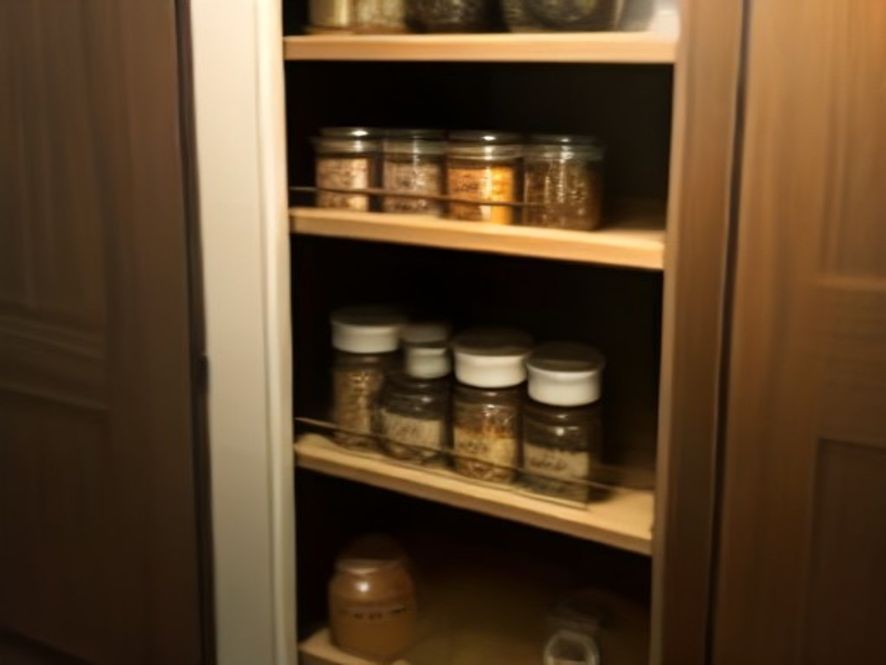
How to Use the Space Between Kitchen Cabinets for Extra Storage: Smart Solutions and Tips
That frustrating moment you look at a narrow gap between your cabinets and realize it’s sitting there, completely empty, while you struggle to find a home for your baking sheets and spices.
If you’ve ever ignored those awkward gaps between cabinets, beside the fridge, or above your upper cabinets, you’re missing out on valuable real estate. These “dead spaces” are actually storage goldmines waiting to be unlocked. With a few clever solutions, you can turn every inch of your kitchen into functional storage without a full renovation.
TL;DR
- Look for Empty Gaps: Narrow spaces between cabinets, beside appliances, and above cabinets are prime storage opportunities.
- Install Pull-Out Units: Tall, narrow pull-out cabinets fit into gaps as small as 6-12 inches and hold spices, oils, baking sheets, and cleaning supplies .
- Use the Space Above Cabinets: Decorate with pretty dishes, store cookbooks, or add custom cabinet boxes for extra storage .
- Don’t Forget the Toe-Kick: The 3-4 inch space under cabinets can become hidden pull-out drawers for flat items .
- Filler Panels Can Become Storage: End panels and filler strips between cabinets can be converted into shallow shelves or narrow pull-outs .
Why These Gaps Exist and How to Use Them
Kitchen cabinets are made in standard sizes, but kitchens are not . That’s why you end up with awkward gaps. Installers use filler panels to cover these spaces, but they don’t have to stay empty .
The good news? You can transform these overlooked gaps into practical storage. Whether you’re a renter or a homeowner, there are solutions that work for your situation.
Smart Solutions for the Space Between Cabinets
1. Install Narrow Pull-Out Cabinets
That skinny gap between your cabinets or beside the fridge can hold a surprising amount. Narrow pull-out cabinets (typically 6-12 inches wide) turn dead space into organized storage . They’re perfect for:
- Spices and oils near the stove
- Baking sheets and cutting boards with vertical dividers
- Canned goods and snacks
- Cleaning supplies under the sink
The hardware costs a bit more, but the convenience is worth it . You’ll be able to see everything at a glance instead of rummaging through dark corners.
*Tip: *Measure carefully before buying. Even a few inches can make a difference when used intentionally* .*
2. Use the Gap Above Your Cabinets
That empty space between your upper cabinets and the ceiling doesn’t have to collect dust . Here’s how to make it work for you:
- Display Pretty Items: Show off serving platters, vases, or a collection of colorful dishes .
- Store Cookbooks: Keep your favorite recipes close but out of the way .
- Add Custom Cabinets: If you’re handy, build small cabinet boxes to fill the gap and add real storage .
- Decorate with Plants: Faux greenery adds life without needing a step stool to water it .
Just make sure you have a step stool handy for reaching items up there .
3. Transform Filler Panels and End Caps
The panels at the ends of your cabinets can become shallow shelving or narrow pull-out storage . With the right hardware, these surfaces can hold spices, measuring tools, or wraps without taking up shelf space .
4. Add a Gap Cover Between Counter and Fridge
That narrow gap between your counter and refrigerator is a magnet for dropped spices and crumbs. A gap cover or narrow shelf bridges the space, giving you extra countertop and preventing items from falling through . These are typically no-drill solutions that just sit in place.
5. Go Vertical with Slim Rolling Bins
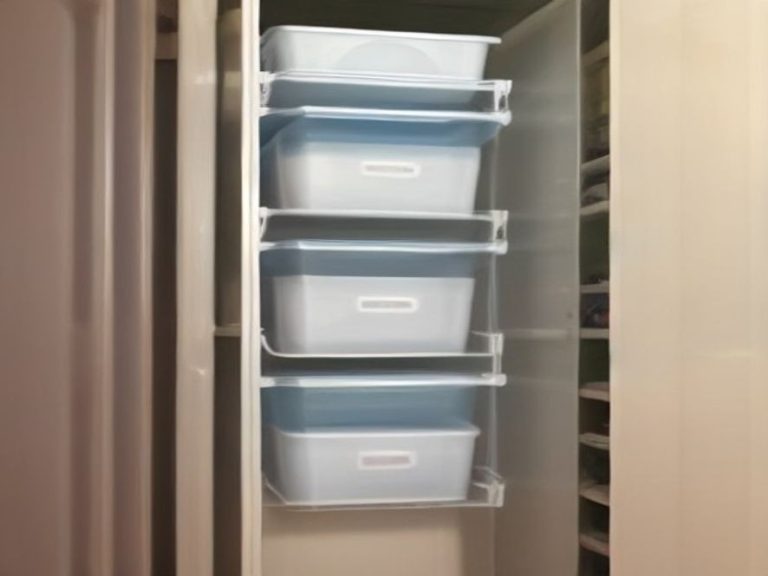
For gaps beside appliances, tall, narrow rolling bins can slide right in . These 6-7 inch wide units are great for storing reusable bags, cleaning supplies, or pantry overflow. Stackable and customizable, they’re perfect for renters .
*Tip: *Look for modular bins with casters so you can roll the whole unit out when you need something* .*
6. Consider Toe-Kick Drawers
The space between the floor and your base cabinets (the toe-kick) is typically 3-4 inches high . Install pull-out drawers here for flat items you don’t need daily: baking sheets, cutting boards, or even snacks . They blend right in and cost as little as $100 per drawer .
Storage Solutions Comparison
| Method | Best For | Effectiveness | Difficulty Level | Approx. Cost |
|---|---|---|---|---|
| Narrow Pull-Out Cabinet | Spices, oils, baking sheets | Very High | Medium (may need pro install) | Medium to High |
| Gap Cover / Narrow Shelf | Counter gaps beside fridge | High | Very Easy | Low |
| Above Cabinet Storage | Decor, cookbooks, seasonal items | Medium | Easy | Low to Variable |
| Slim Rolling Bin | Reusable bags, cleaning supplies | High | Very Easy | Low |
| Toe-Kick Drawer | Baking sheets, snacks, flat items | Medium-High | Medium (pro recommended) | Low to Medium |
| DIY Plate Rack | Dishes, decor, cookbooks | High | Medium | Low to Medium |
Step-by-Step Guide: Find and Fill Your Gaps
- Walk Your Kitchen with Fresh Eyes: Look for any gap wider than 3 inches. Check beside the fridge, between cabinets, above cabinets, and even under cabinets .
- Measure Carefully: Note the width, depth, and height of each gap. Don’t forget to account for pipes, outlets, or ventilation needs .
- Decide What to Store: Match the gap to what you need. Spices and oils go best near the stove. Baking sheets fit well in shallow vertical slots. Cleaning supplies work under the sink .
- Choose Your Solution: For renters, stick with no-drill options like rolling bins or gap covers . For homeowners, consider installing pull-out cabinets or toe-kick drawers .
- Install and Style: Follow instructions carefully. For pull-outs, make sure the hardware is heavy-duty enough for what you’re storing .
FAQ: Your Gap Storage Questions, Answered
1. How narrow can a cabinet be and still be useful?
A narrow cabinet can be as slim as 6-12 inches wide and still hold spices, oils, or baking sheets . Every inch counts.
2. Can renters use these gap storage ideas?
Yes! Rolling bins, gap covers, and freestanding shelves require no drilling . You can also use tension rods or adhesive hooks for lightweight items.
3. Are toe-kick drawers hard to install?
They require cutting into your cabinet base, so hiring a professional is recommended unless you have carpentry skills . The cost is manageable, though.
4. What should I store above my cabinets?
Store lightweight, decorative items or cookbooks you only reference occasionally. Avoid heavy items that are hard to reach safely .
5. What’s the cheapest way to fix a gap between cabinets?
A slim rolling cart or stackable narrow bins can cost under $30 and slide right into the space . Gap covers start at around $20.
6. Can narrow pull-outs hold heavy pots and pans?
They can, but you’ll need heavy-duty slides and proper installation. It’s better to store lightweight items like spices, oils, and baking sheets in these units .
Conclusion
The space between your kitchen cabinets isn’t wasted space—it’s a storage opportunity waiting to happen. Whether you add a narrow pull-out for spices, a rolling bin beside the fridge, or a DIY plate rack on an empty wall, every gap can become functional . Start with one small change and build from there. Your tiny kitchen has more storage than you think.
*Remember: *The best storage solutions work with how you actually cook. Keep everyday items in easy reach and use gaps for the things you need but don’t want cluttering your counters* .
Which gap in your kitchen is begging for a storage solution? Share your thoughts in the comments.
More kitchen storage guides and expert tips: