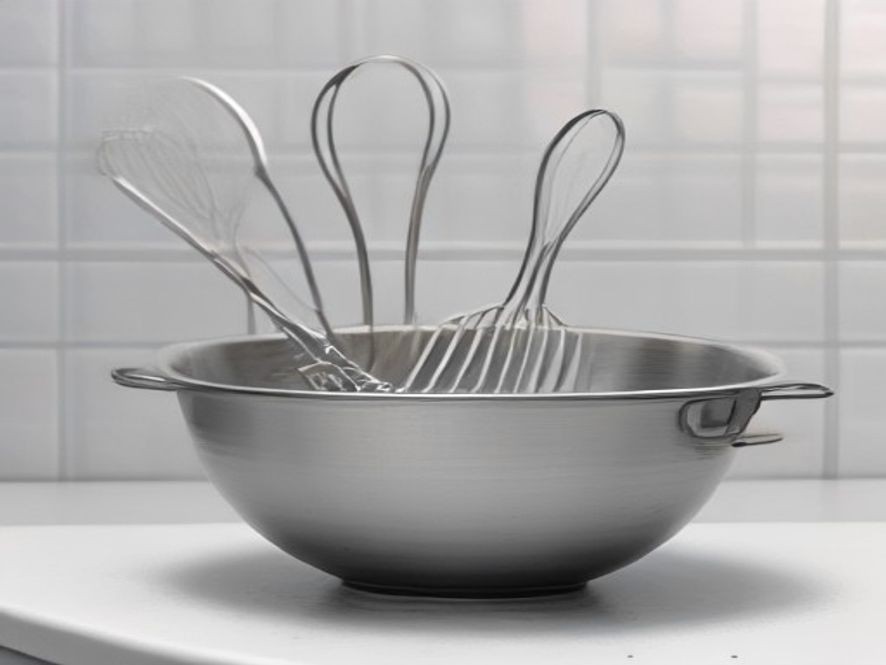
Why Does My Whisk Keep Getting Food Stuck Inside? Causes and Easy Cleaning Solutions
You’re whisking a beautiful sauce, and suddenly you realize half the batter is trapped between the wires—it’s frustrating, but fixing this problem is easier than you think.
You’re in the middle of making a fluffy omelet or a smooth gravy. You grab your whisk, start mixing, and then you notice it. Lumps of batter, bits of egg, or chunks of sauce are wedged between the wires of your whisk. No matter how much you tap it on the bowl, that food just won’t come out. It’s annoying, it wastes ingredients, and it makes cleaning a nightmare. This guide will explain why food gets stuck in your whisk and show you the best way to prevent and fix the problem.
TL;DR (Too Long; Didn’t Read)
- Cause: Food gets trapped because the wires are too close together, the batter is too thick, or you’re using the wrong whisking technique .
- Main Culprits: Using a balloon whisk for thick batters, not tapping the whisk enough while mixing, and letting food dry on the wires .
- Prevention: Choose the right whisk for the job, tap the whisk against the bowl as you mix, and clean immediately after use .
- Easy Fix: Soak the whisk in warm water, use a bottle brush or toothpick to dislodge stuck food, and try the “water pulse” method in your blender .
Key Takeaways
- Match the Whisk to the Task: Use a balloon whisk for liquids and a flat or French whisk for thick batters and sauces .
- Tap and Spin: Tapping the whisk against the bowl while mixing helps dislodge food before it sets .
- Clean Immediately: Never let food dry on your whisk—it becomes much harder to remove .
- Use the Right Tool: A narrow bottle brush or toothpick works wonders for reaching between wires .
The Real Causes Behind Food Getting Stuck in Your Whisk and How to Fix Them
A whisk looks simple enough: some wires attached to a handle. But the design matters more than you think. When food gets stuck, it’s usually because of one of three things: the whisk’s design, the food’s texture, or your technique.
Why Food Gets Trapped in Whisk Wires
Here are the most common reasons your whisk becomes a food trap:
- The Wrong Whisk for the Job: A large balloon whisk has wide, rounded wires that are perfect for aerating eggs or cream. But if you use it for thick pancake batter or heavy gravy, the mixture gets wedged between those wide gaps and doesn’t flow out easily .
- Wires Too Close Together: Some whisks have tightly spaced wires. While this creates a great emulsion for vinaigrettes, it also means thick mixtures have nowhere to go but between the wires .
- Not Tapping the Whisk: When you whisk, food naturally climbs up the wires. If you don’t tap the whisk against the side of the bowl frequently, that food dries and hardens, becoming even harder to remove later .
- Letting Food Dry: This is the biggest mistake. If you leave a used whisk sitting out, the food dries and bonds to the metal. Once it’s dry, it’s almost impossible to wash off with just a sponge .
- Overmixing Thick Batters: Stirring thick dough or heavy batter with a whisk forces the mixture deep into the spaces between wires, where it gets trapped and compacts .
Step-by-Step Guide: How to Clean a Whisk with Stuck Food
Cleaning a whisk doesn’t have to be a battle. Here are methods that work, from simplest to most effective.
Method 1: The Warm Water Soak (Basic)
Step 1: Fill a bowl or your sink with warm (not hot) water and a squirt of dish soap.
Step 2: Submerge the whisk completely and let it soak for 10-15 minutes. Never use boiling water, as it can damage the handle or loosen the wires .
Step 3: After soaking, use a sponge to wipe each wire individually. Rinse thoroughly.
Method 2: The Bottle Brush Technique (Most Effective)
Step 1: Fill your sink with warm soapy water.
Step 2: Take a narrow bottle brush or a test tube brush. These brushes are designed to fit into tight spaces.
Step 3: Insert the brush between each pair of wires and scrub back and forth. This removes the food that a sponge can’t reach.
Step 4: Rinse well and dry immediately.
Method 3: The Toothpick Trick (For Dried, Stubborn Food)
Step 1: If food has dried on the wires, soak the whisk in warm soapy water for 20 minutes.
Step 2: Take a toothpick or a wooden skewer.
Step 3: Gently run the toothpick along the inside of each wire, scraping off the dried bits.
Step 4: Rinse and then wash with a sponge.
Method 4: The Blender Water Pulse (Genius Hack)
Step 1: Fill your blender halfway with warm water and a drop of dish soap.
Step 2: Place the dirty whisk inside the blender jar.
Step 3: Pulse the blender 3-4 times. The fast-moving water will blast food particles right off the wires.
Step 4: Remove the whisk and rinse. This works surprisingly well and requires almost no effort.
Method 5: The Baking Soda Scrub (For Greasy Residue)
Step 1: Make a paste with 2 tablespoons of baking soda and a little water.
Step 2: Apply the paste to the wires of the whisk.
Step 3: Let it sit for 10 minutes, then scrub with a brush and rinse. Baking soda cuts through grease and lifts stuck food particles.
Step-by-Step Guide: How to Prevent Food from Getting Stuck
Preventing the problem is much easier than fixing it. Here’s how to keep your whisk clean and functional.
Step 1: Choose the Right Whisk
Not all whisks are the same. Here’s a quick guide:
- Balloon Whisk: Best for eggs, cream, and thin liquids. The wide wires create lots of air.
- French Whisk (aka Straight Whisk): Has thicker, straighter wires. Good for sauces and gravies because it scrapes the bottom of the pan.
- Flat Whisk (aka Roux Whisk): Has flat, overlapping wires. Perfect for thick batters, pan sauces, and roux because it doesn’t trap as much food .
- Mini Whisk: Great for small bowls, dressings, and single servings.
Step 2: Tap Constantly
While whisking, tap the whisk against the side of the bowl every few seconds. This dislodges food before it has a chance to climb up and dry on the wires .
Step 3: Clean Immediately
The moment you’re done whisking, rinse the whisk under warm water. This removes surface food before it can dry and harden. A quick rinse takes seconds but saves you minutes of scrubbing later .
Step 4: Don’t Overfill Your Bowl
If your bowl is too full, the whisk has less room to move, and food gets pushed up into the wires. Leave at least 2 inches of space at the top of the bowl .
Step 5: Use a Scraper
For thick batters, use a silicone spatula to scrape the whisk clean before washing. This removes the bulk of the food, making the wash much easier.
Comparison Table: Cleaning Methods for Food-Stuck Whisks
| Method | Purpose | Effectiveness | Difficulty Level | Cost |
|---|---|---|---|---|
| Warm Water Soak | Soften dried food. | Medium for fresh residue. | Very Easy | Free |
| Bottle Brush | Scrub between wires. | Very High for all types. | Easy | Low (tool cost) |
| Toothpick Scrape | Remove dried, stubborn bits. | High for small areas. | Medium | Free/very low |
| Blender Water Pulse | Blast food off with water pressure. | Very High, especially for thick batter. | Easy | Free (blender) |
| Baking Soda Scrub | Cut through grease and lift particles. | High for oily residues. | Easy | Very Low |
| Vinegar Soak | Dissolve mineral buildup and food. | Medium for hard water stains and food. | Easy | Very Low |
| Immediate Rinse | Prevent food from drying. | Excellent for prevention. | Very Easy | Free |
Frequently Asked Questions (FAQ)
Why does food get stuck in my whisk?
Food gets trapped because the batter or sauce is thick enough to wedge between the wires, or because you’re using a whisk with wires that are too tightly spaced for that specific task .
How do I get dried food out of a whisk?
Soak the whisk in warm soapy water for 15-20 minutes, then use a narrow bottle brush or toothpick to scrub between the wires. Avoid boiling water as it can damage the whisk .
What kind of whisk is best for thick batters?
A flat whisk (roux whisk) is best for thick batters and sauces. Its flat, overlapping wires don’t trap food as easily as a large balloon whisk .
Can I put my whisk in the dishwasher?
Check the manufacturer’s instructions. Many whisks are dishwasher-safe on the top rack, but hand washing is always gentler and prevents damage to the handle or wire connections .
How often should I replace my whisk?
Replace your whisk when the wires become bent, loose, or rusty. A well-maintained whisk can last for years, but damaged wires can trap more food and are harder to clean .
What’s the best way to clean a greasy whisk?
Use a baking soda paste or soak the whisk in a mixture of equal parts white vinegar and warm water for 15 minutes. Both methods cut through grease effectively .
Can I use a whisk for mashed potatoes?
No, a whisk is not designed for thick, starchy foods like mashed potatoes. The mixture will get stuck between the wires. Use a potato masher or hand mixer instead .
References
Expert Advice on Whisk Selection, Use, and Maintenance
- Food & Wine: The Ultimate Guide to Whisks
- Serious Eats: How to Choose and Use a Whisk
- Good Housekeeping: How to Clean Whisks
- Martha Stewart: Types of Whisks and How to Use Them
Which kitchen problem do you want solved next? Share your thoughts in the comments.