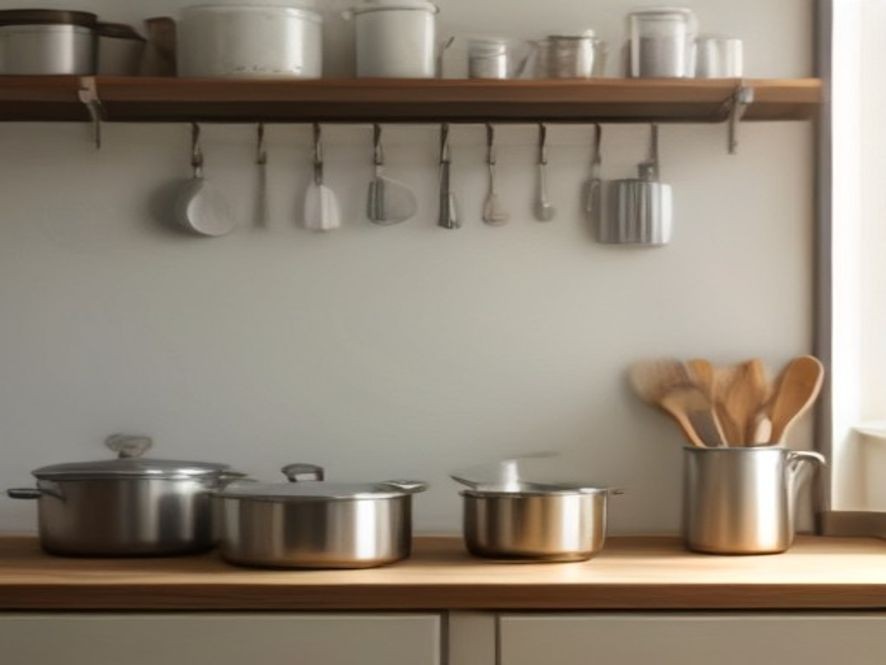
Best Cooking Tools for a Plastic-Free Kitchen: Your Complete Eco-Friendly Guide
That moment when you see tiny scratches on your black plastic spatula and realize those particles might be ending up in your food—it can make you rethink every plastic tool in your kitchen drawer.
More home cooks are ditching plastic kitchen tools, and for good reason. Studies have found that damaged nonstick cookware can release an estimated 9,100 particles from a single scratch in just 30 seconds . And researchers have detected microplastics in the bloodstream of 80% of people tested . But here’s the good news: building a plastic-free kitchen doesn’t mean spending a fortune or overhauling everything overnight. Small, smart swaps make a huge difference .
TL;DR
The best plastic-free kitchen tools include wooden cutting boards, stainless steel and cast iron cookware, silicone utensils, glass food storage containers, bamboo cleaning brushes, and natural fiber dishcloths. Avoid black plastic utensils, plastic cutting boards, nonstick pans with PFAS coatings, and plastic food containers. Start with a few swaps—like replacing your most-used plastic tools—and build from there.
Key Takeaways
- Wooden cutting boards are gentler on knives and don’t shed microplastics like plastic boards
- Stainless steel and cast iron cookware last decades and eliminate the need for nonstick coatings
- Silicone utensils are heat-safe up to 425°F and won’t leach chemicals
- Glass food storage is microwave-safe, freezer-safe, and doesn’t stain or hold odors
- Natural cleaning tools like bamboo brushes and Swedish dishcloths replace plastic sponges
The Real Causes Behind Plastic in Your Kitchen and How to Fix Them
Why Plastic Tools Are Risky for Your Health
Many home cooks don’t realize that everyday plastic tools can release microplastics and chemicals into food . Here are the main culprits:
- Black plastic utensils often contain recycled electronics like flame retardants that can transfer to food
- Plastic cutting boards shed microplastics with every chop—you can actually see the scratches
- Nonstick pans with PFAS coatings release microplastics when scratched or overheated
- Plastic food storage containers break down over time, especially in the dishwasher or microwave
“Most kitchen problems come from small maintenance habits that are often ignored.”
Step-by-Step Guide: Building Your Plastic-Free Kitchen
Step 1: Replace Your Most-Used Plastic Tools First
Start with the tools you reach for every single day. A public health expert recommends swapping these first: plastic cutting boards, black plastic spatulas, and plastic food containers .
Step 2: Choose the Right Materials for Each Task
| Tool Type | Plastic-Free Alternative | Why It’s Better |
|---|---|---|
| Cutting board | Wooden or bamboo (like Smirly’s bamboo board) | Gentler on knives, no microplastics, biodegradable |
| Spatulas & spoons | Silicone or wooden utensils (like ChefAide set) | Heat-safe up to 425°F, won’t leach chemicals |
| Cookware | Stainless steel, cast iron, or carbon steel | Naturally non-toxic, lasts forever |
| Food storage | Glass containers (like Pyrex) | Microwave-safe, freezer-safe, won’t stain |
| Cleaning | Bamboo brushes & Swedish dishcloths | Biodegradable, reduce microplastic shedding |
| Coffee maker | French press or ceramic dripper | No plastic parts in contact with hot water |
| Sponges | Natural fiber or bamboo scrubbers | Bacteria-resistant, plastic-free |
Step 3: Consider Disposable Alternatives for On-the-Go
For picnics or takeout, bamboo disposable utensils offer a 100% biodegradable alternative to plastic. They’re durable, heat-resistant, and won’t shed microplastics into your food . Even more innovative: edible cutlery made from millet or food waste that can be eaten or composted after use .
Comparison Table: Plastic vs. Plastic-Free Kitchen Tools
| Tool | Plastic Version | Plastic-Free Alternative | Benefit of Switch |
|---|---|---|---|
| Cutting Board | Sheds microplastics with each use | Wooden or bamboo | No microplastics, knife-friendly |
| Spatula | Can melt; may release chemicals | Silicone or wood | Heat-safe to 425°F, durable |
| Cookware | Nonstick coatings scratch & release particles | Stainless steel or cast iron | Lasts decades, no PFAS |
| Food Storage | Breaks down, especially with heat | Glass | Microwave & freezer safe, non-reactive |
| Coffee Maker | Plastic parts contact hot water | French press or ceramic | No plastic in your brew |
| Dish Sponge | Sheds microplastics, harbors bacteria | Bamboo brush or Swedish dishcloth | Biodegradable, more hygienic |
Expert Tips for a Truly Plastic-Free Kitchen
Invest in Quality Cookware That Lasts
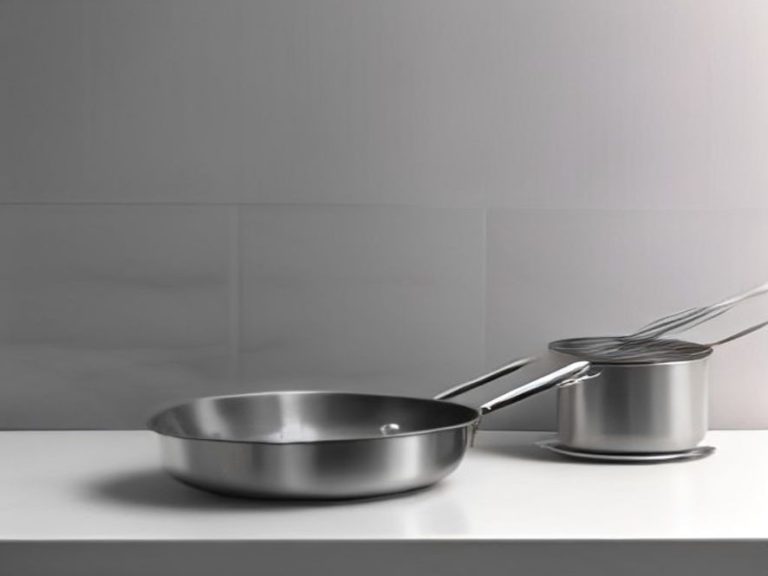
High-quality cookware is the heart of any eco-friendly kitchen . Professional kitchens favor stainless steel 304 for its durability and corrosion resistance. These pans often feature aluminum or copper cores for better heat distribution, saving energy and reducing replacement waste .
Cast iron is a favorite for replacing nonstick. The Lodge 10.25-inch skillet costs around $25, lasts forever, and actually becomes more nonstick with proper care .
“A stainless steel pan is a much better choice for searing and tossing food than a nonstick pan.” — Serious Eats
Choose Silicone Wisely
Not all silicone is created equal. Look for platinum-cured silicone that’s heatproof up to 425°F . GIR utensils are molded as a single solid piece, so there are no seams where batter or bacteria can hide .
Upgrade Your Cleaning Routine
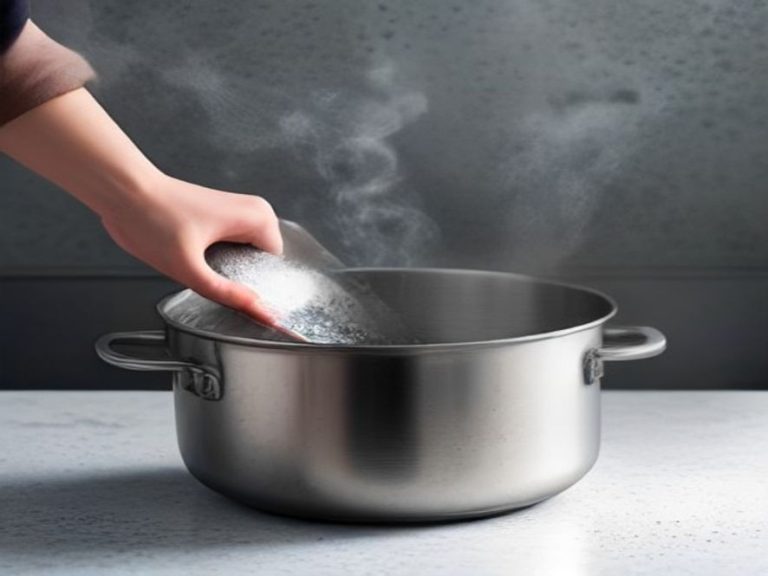
Plastic sponges shed microplastics with every use . Instead, try bamboo brushes with coconut bristles or Swedish dishcloths that are plant-based, biodegradable, and free from plastics . Some bamboo brushes even have replaceable heads, so you’re not throwing away the entire tool .
Consider Your Coffee Setup
Plastic coffee makers can leach chemicals into hot water . A French press or ceramic pour-over dripper eliminates plastic contact entirely. The Secura French Press is a popular, affordable option .
Chart: Plastic-Free Kitchen Priority Swaps
Frequently Asked Questions
What’s the biggest source of microplastics in my kitchen?
Plastic cutting boards and scratched nonstick pans are top sources .
Are silicone utensils better than plastic?
Yes—quality silicone is heat-safe up to 425°F and won’t leach chemicals .
Can I recycle scratched nonstick pans?
Some municipalities offer recycling for nonstick cookware—check locally .
What’s the easiest plastic-free swap to start with?
Replace your plastic cutting board with a wooden one .
Are bamboo utensils actually eco-friendly?
Yes—bamboo grows rapidly without fertilizer and is fully biodegradable .
Is glass better than plastic for food storage?
Yes—glass is non-reactive, microwave-safe, and doesn’t stain or hold odors .
Should I replace all my plastic tools at once?
Start with daily-use items—you can upgrade gradually .
References
Plastic-Free Kitchen Guide: Health Research, Chef Recommendations, and Sustainable Swaps:
- Food & Wine: Non-Toxic Kitchen Tools and Gut Health Research
- Serious Eats: Safer Alternatives to Scratched Nonstick Cookware
- WORLDCHEFS: Sustainable Kitchen Tools Guide
- NPR: Should You Toss Plastic Kitchen Tools?
Which plastic-free kitchen swap are you tackling first? Share your thoughts in the comments below.