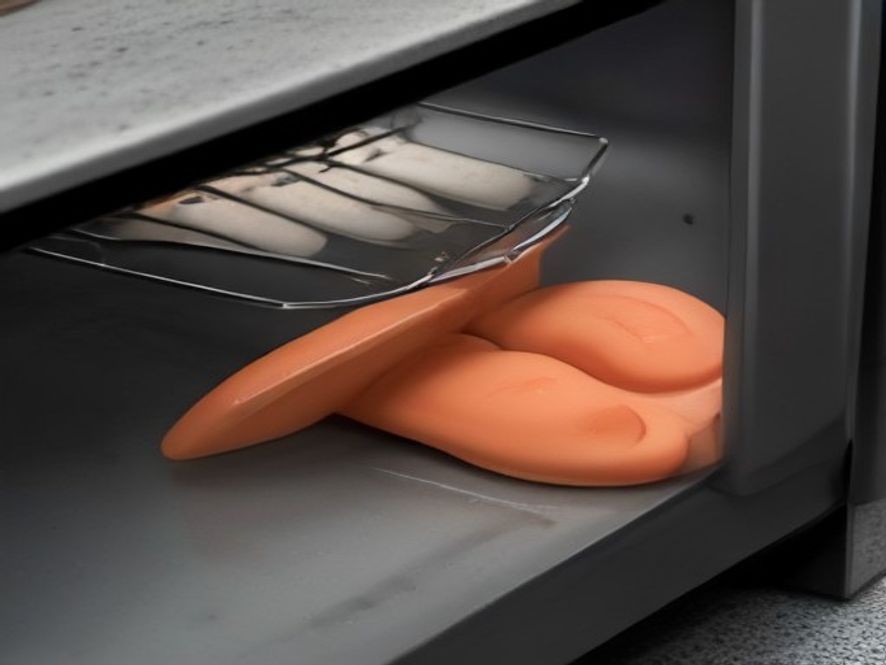
Best Cooking Tools for Handling Hot Food Safely
You grab a sizzling pan handle without thinking, and the shock of heat shoots through your hand—suddenly dinner feels like a safety hazard instead of a pleasure.
Handling hot food is one of the most overlooked risks in the kitchen. The right tools make the difference between burns and safe, confident cooking. This guide covers the best equipment for protecting your hands, managing hot pans, and staying safe around heat.
TL;DR: Dry oven mitts and silicone utensils are your first line of defense against burns. Silicone is heat-resistant up to 450–600°F, won’t melt against pan edges, and provides a secure grip. Metal tongs and high-heat spatulas keep your hands away from splattering oil and hot surfaces. Always use dry mitts, keep a lid nearby for grease fires, and never leave hot oil unattended.
Key Takeaways:
- Silicone utensils resist melting up to 450–600°F and protect nonstick surfaces
- Oven mitts need to be dry—wet ones conduct heat and cause burns
- Metal tongs keep your hands safely away from frying oil and hot pans
- Long-handled tools provide leverage and reduce heat exposure
- Always preheat equipment before use and turn pot handles inward for safety
The Heat-Resistant Essential: Silicone Utensils
The most versatile tools for handling hot food are made of silicone. Professional kitchens rely on them because they’re heat-resistant up to around 450–600°F, depending on the manufacturer, making them unlikely to melt against the side of a hot pan.
Why Silicone Works
Silicone is nonreactive, so it won’t interact with acidic ingredients like tomato sauce or citrus the way some metals can. Unlike wood, it’s fully dishwasher-safe, nonporous, and won’t harbor bacteria or crack over time. Crucially, it won’t scratch your cookware, even enameled cast iron.
What to Look For
Look for 100% platinum silicone from brands like GIR (Get It Right). This type of silicone resists odors, stays durable through repeated dishwasher cycles, and doesn’t degrade over time. Budget silicone utensils often use a nylon or fiberglass core for rigidity, which can become a problem if the outer layer ever cracks or peels.
High-quality silicone spatulas with weighted, ergonomic handles are thin enough to slide under delicate food like omelets—a real problem with thicker silicone tools. Le Creuset’s silicone tools are heat-resistant up to 250°C (about 482°F), and their silicone heads are removable for dishwasher cleaning.
The Five-Tool Core Collection
You probably don’t need more than five silicone utensils to cover most cooking tasks:
- Large spoon—for stirring sauces, soups, and grains
- Slotted spoon—for draining and serving
- Flexible spatula—the workhorse for eggs, fish, and pancakes
- Turner or solid spatula—for heavier tasks like flipping burgers
- Ladle or tongs—depending on what you cook most
Protection for Your Hands: Oven Mitts and Pot Holders
Oven mitts are your primary defense against burns when grabbing hot pans from the oven or stovetop.
Material Matters
Most oven mitts are either made entirely of fabric or have a silicone component. Silicone provides more grip when handling hot or bulky cooking vessels, and it’s easy to wipe clean.
The All-Clad oven mitts are a favorite among serious home cooks. They’re 14 inches long, offering excellent forearm protection, with thick lining that feels soft and cozy. In testing, when using both hands, users felt no heat at all when handling a preheated sheet pan.
Pro tip: Always use dry oven mitts and potholders. Wet ones conduct heat and can cause serious scalding burns.
The Ove Glove Advantage
Unlike a cavernous mitt, the Ove Glove allows you to move your fingers individually for better control. It’s designed to withstand temperatures up to 540°F, and testing showed it could hold a hot sheet pan for about 20 seconds before warmth is felt. The silicone stripes provide an exceptional grip on slippery stainless steel handles.
Important: The silicone stripes get extremely hot after holding cookware, so be careful when you remove the glove.
What to Consider When Choosing
- Material: Silicone offers better grip and is easier to clean; fabric is more flexible
- Length: Longer mitts (14+ inches) protect your forearms
- Heat resistance: Look for ratings of 500°F or higher for oven use
- Care: Some mitts are machine-washable; others require hand-washing
Gorilla Grip oven mitts are an affordable option with a silicone coating and honeycomb design for improved grip. In testing, they allowed holding a hot sheet pan without pain for over a minute.
Keeping Distance: Long-Handled Tools
For stovetop cooking, long-handled tools keep your hands safely away from heat, splattering oil, and steam.
Tongs
Tongs are essential in professional kitchens because they allow cooks to handle hot foods safely, flip ingredients efficiently, and plate dishes with control. They also help reduce the risk of burns and contamination.
Metal tongs are the most durable choice for high-heat tasks. Winco tongs are a popular professional option—they’re inexpensive and used for everything from turning steaks to reaching into fryer baskets.
Color-coded tongs offer a hygienic solution by preventing cross-contamination between raw and cooked foods.
High-Heat Spatulas
Professional kitchens use high-heat spatulas that maintain their shape, resist melting, and withstand constant use around grills, steamers, and hot pans. The Pro.cooker High Heat Silicone Spatula is designed for heavy-duty performance.
Safety Practices You Can’t Skip
The best tools are only as good as the habits you build around them.
Stovetop Safety
- Never leave cooking unattended—stay in the kitchen when frying, grilling, broiling, or boiling
- Use back burners whenever possible and turn pot handles inward to reduce the risk of pots being knocked over
- Keep potholders, oven mitts, and wooden utensils away from your stovetop
- Always keep an oven mitt and lid nearby while cooking
Grease Fire Response
If a small grease fire starts in a pan, smother the flames by carefully sliding a lid over the pan. Never move the pot or pan or throw water on the flames.
Oven Safety
- If there is an oven fire, turn off the heat and keep the door closed to prevent flames from burning you
- Don’t store combustible items in the bottom drawer of the oven
Appliance Safety
Always use cooking equipment that is listed by a qualified testing laboratory. Unplug all appliances when not in use, and check cords regularly for damage.
Comparison Table: Hot Food Handling Tools
| Tool Type | Best For | Heat Resistance | Typical Cost | Key Benefit |
|---|---|---|---|---|
| Silicone Spatula | Stirring, flipping, scraping | 450–600°F | $8–$15 | Won’t melt, won’t scratch cookware |
| Oven Mitts | Grabbing hot pans and dishes | 500–650°F | $15–$40 | Protects hands and forearms |
| Ove Glove | Dexterous handling | Up to 540°F | ~$25 | Separate fingers for better control |
| Metal Tongs | Flipping, serving hot food | Very high | $5–$15 | Keeps hands away from heat |
| Wooden Spoon | Stirring sauces, scraping fond | High | $9–$15 | Safe for all cookware, won’t conduct heat |
| Long-Handled Spatula | Flipping heavy proteins | High | $10–$25 | Extends reach, reduces heat exposure |
Frequently Asked Questions
What’s the best material for heat-resistant kitchen tools?
Silicone. It’s heat-resistant up to 450–600°F, nonporous, and won’t melt against pan edges.
Can I use silicone tools on high heat?
Yes, but check the manufacturer’s rating. High-quality silicone from brands like GIR handles up to 600°F. Budget silicone may have lower ratings.
Why do my oven mitts feel hot when I grab something from the oven?
If they’re wet, they conduct heat. Always use dry mitts. Some cheap mitts also have poor insulation.
Should I use metal tongs on nonstick pans?
No. Use tongs with silicone tips to avoid scratching nonstick surfaces.
What’s the most important kitchen safety habit?
Never leave hot oil unattended. Stay in the kitchen when frying, grilling, broiling, or boiling.
How do I clean silicone utensils?
They’re dishwasher-safe. Hand-washing with warm soapy water also works fine.
Which hot food handling problem do you want to solve next? Share your questions in the comments.
References and Resources for Safe Kitchen Cooking: