Kitchen Safety Inspection Checklist: 25 Things to Check
A quick walk through your kitchen might look fine, but hidden hazards could be lurking in plain sight—these 25 checks take less than an hour and could save your home, your health, or even your life.
From fires to falls, contamination to carbon monoxide, the kitchen holds more potential dangers than any other room in the house. The good news? Most risks are easily prevented with a systematic safety inspection. Grab a notepad and let’s work through this comprehensive checklist together.
TL;DR
- Fire prevention starts with working smoke alarms, a charged extinguisher, and clean cooking surfaces.
- Electrical safety means inspecting cords, testing GFCI outlets, and unplugging small appliances when not in use .
- Food safety requires proper temperatures, separation of raw meats, and checking expiration dates regularly .
- Fall prevention includes using sturdy step stools and securing rugs that could cause slips .
- Chemical safety means locking up cleaning products and keeping them far from food .
- Gas safety involves checking connections and installing a carbon monoxide detector .
Key Takeaways
- Kitchen fires are the leading cause of home injuries—most start on the stovetop.
- Refrigerators should stay at 40°F or below; freezers at 0°F or below for safe food storage.
- GFCI outlets near sinks must be tested monthly to prevent electrical shock.
- Toxic materials like cleaning products must be stored away from food in original containers.
- A fire extinguisher should be mounted near an exit—not hidden under the sink.
Fire Safety Checks
1. Test Smoke and Heat Alarms
Kitchens should have heat alarms rather than standard smoke alarms, as cooking fumes can trigger false alarms. Press the test button monthly. Replace batteries immediately if weak.
2. Check Fire Extinguisher Pressure
The pressure gauge must show the needle in the green zone. If it’s not, replace the extinguisher immediately. Make sure it is mounted on a wall bracket near an exit for quick access.
3. Inspect Range Hood Filters
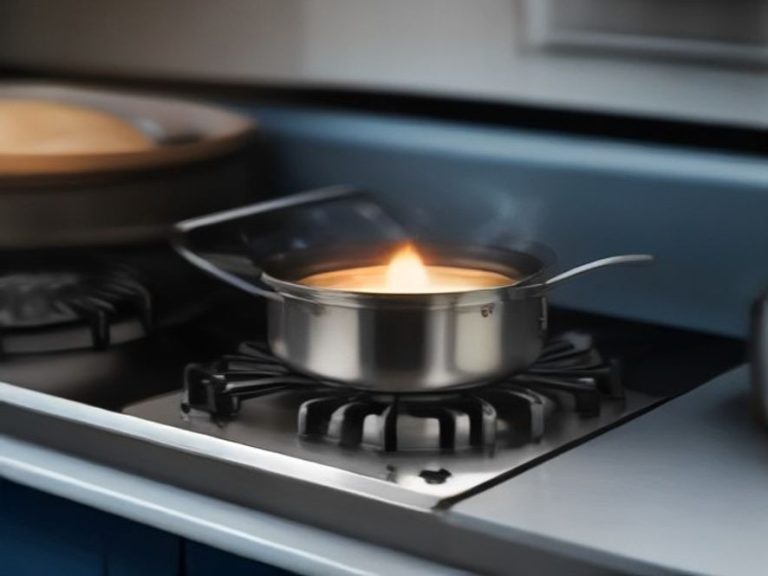
Grease-laden filters are a major fire hazard. Clean or replace them monthly. Never use water on a grease fire—smother it with a lid or use baking soda.
4. Clean Oven and Burner Drip Trays
Drip pans and trays collect grease that can ignite. Clean them regularly to prevent flare-ups.
5. Check Oven Door Seal
A damaged door seal allows heat to escape and can create a fire hazard. Run your hand around the gasket to feel for cracks or gaps.
6. Keep Flammable Items Away
Tea towels, oven mitts, pot holders, and curtains must be stored away from the cooktop. Pot handles should face away from the front of the stove.
Electrical Safety Checks
7. Test GFCI Outlets
Press the test button on outlets near sinks and reset them to ensure they are working. These protect against electrical shock in wet areas.
8. Inspect Power Cords
Check appliance cords for fraying, cracks, soft spots, or discoloration. Never run cords under rugs or where they can be stepped on.
9. Unplug Small Appliances
Toasters, coffee makers, and other small appliances should be unplugged when not in use. This protects against power surges and reduces fire risk from faulty heating elements.
10. Check for Overloaded Outlets
Kitchen circuits often handle high-power appliances. Avoid using too many appliances on the same circuit, which can trip breakers or cause overheating.
11. Inspect Large Appliance Cords
Pull out the refrigerator, dishwasher, or other large appliances slightly and check their cords for any signs of wear or damage.
Gas Safety Checks (for gas appliances)
12. Check Gas Connections
Look at the flexible gas connectors behind your range or dryer. Ensure they are not kinked, damaged, or past their lifespan.
13. Test for Gas Leaks
Check gas hose connections regularly. If you smell gas, do not use the appliance—evacuate and call the gas company immediately.
14. Install Carbon Monoxide Detector
Place a detector near your kitchen and gas appliances. Test it monthly to ensure it is working properly.
Plumbing and Water Safety Checks
15. Inspect Appliance Hoses
Check the hoses on your dishwasher and refrigerator ice maker for bulges, cracks, or leaks. These are a leading cause of home water damage.
16. Look Under Sinks
Check for drips, corrosion, or soft flooring that indicates a slow leak. Address small leaks before they become major problems.
17. Clear Slow Drains
Use boiling water, baking soda, and vinegar to clear slow drains naturally. Avoid harsh chemicals that can damage pipes and harm your health.
Food Safety Checks
18. Check Refrigerator Temperature
The refrigerator should be at 40°F (or 4°C) or below. The freezer should be at 0°F (-18°C) or below. Use an appliance thermometer to verify.
19. Inspect Refrigerator Door Seals
A dirty or cracked seal lets cold air escape. Clean it gently with warm, soapy water and a soft cloth. Seals that are not sealing properly should be replaced.
20. Check Refrigerator Organization
Raw meat, poultry, and seafood must be stored in sealed containers on the lowest shelf, below produce and ready-to-eat foods, to prevent cross-contamination.
21. Check Expiration Dates
No refrigerated or pantry food should be past its expiration date. Toss outdated items immediately. Label leftovers with the date and discard after 7 days.
22. Examine Cutting Boards
Replace cutting boards with deep grooves, scratches, or stains where bacteria can hide. Use separate boards for raw meat and ready-to-eat foods.
23. Wipe Down Countertops
Sanitize surfaces before and after food preparation. Keep counters clean and clutter-free, storing appliances like toasters away from the cooktop.
Chemical and Storage Safety Checks
24. Store Household Chemicals Separately
Cleaners, disinfectants, and insecticides must be stored in their original labeled containers, away from food. Use a locked cabinet if you have children or pets.
25. Keep Sharp Objects Secured
Knives should be stored in a block, magnetic strip, or drawer with separate compartments. Never leave knives loose in a drawer where someone could grab a blade.
Fall and General Safety Checks
Bonus: Use Sturdy Step Stools
Never use chairs or other unstable objects to reach high shelves. Keep a sturdy step stool with a grab bar in the kitchen.
Bonus: Secure Rugs
Ensure rugs have non-slip backing to prevent tripping, especially in areas where you may be carrying hot dishes.
Bonus: Check for Adequate Lighting
Good lighting over cooking and prep areas reduces the risk of cuts, burns, and falls. Replace burned-out bulbs promptly.
Quick Comparison Table: Key Safety Checks
| Category | Critical Checks | Why It Matters |
|---|---|---|
| Fire Safety | Smoke/heat alarms, extinguisher, clean filters and trays, flammable items away | Kitchen fires are the #1 cause of house fires |
| Electrical Safety | GFCI outlets, inspect cords, unplug small appliances, avoid overloaded circuits | Electrical faults cause fires and shocks |
| Gas Safety | Check connections, test for leaks, CO detector | Gas leaks are silent but deadly |
| Water Safety | Inspect hoses, look under sinks, clear slow drains | Water damage is expensive and preventable |
| Food Safety | Fridge/freezer temperatures, seals, expiration dates, organization | Foodborne illness affects 48 million Americans annually |
| Chemical Safety | Separate cleaners from food, store in original containers, locked cabinet | Accidental poisoning is a real risk, especially for children |
FAQ
What temperature should my refrigerator be?
Your refrigerator should be at 40°F or below, and your freezer should be at 0°F or below. Use an appliance thermometer to check .
How often should I test my kitchen smoke and heat alarms?
Test them monthly. Press the test button and replace weak batteries immediately .
Where should I store my fire extinguisher?
Mount it on a wall bracket near an exit—not under the sink. It should be easily accessible .
What should I do if I smell gas in my kitchen?
Do not use any electrical switches or appliances. Evacuate immediately and call the gas company from outside the home .
Why should I unplug small kitchen appliances?
Unplugging protects them from power surges that can damage internal electronics and reduces the risk of fires from faulty heating elements .
How do I check for a gas leak?
If you smell gas, leave immediately. Never use a flame to test for leaks. Regular professional inspection is the safest approach .
What is the safest place to store cleaning products?
Cleaning products must be stored in their original labeled containers, away from food, and in a locked cabinet if children or pets are present .
References
Trusted sources for kitchen safety and inspection:
- InterNACHI – Kitchen Inspection Checklist
- Rutgers University – Home Kitchen Food Safety Best Practices
- National Safety Council – Home Safety Checklist
- Queensland Fire Department – Appliance Fire Safety
- SafeWise – Home Maintenance and Safety Checklist
- Scottish Fire and Rescue Service – Kitchen Safety
Which kitchen problem do you want solved next? Share your thoughts in the comments.