Choosing the Right Peeler for Everyday Cooking: Your Complete Guide to Faster, Safer Prep
That awkward moment when your peeler slips, and you almost peel your finger instead of the potato is a kitchen frustration we all know too well.
If peeling feels like a chore, the problem isn’t you—it’s your tool. A dull or wrong-shaped peeler makes simple tasks difficult. The best way to fix this is to understand what makes a peeler work. This guide will help you pick the perfect one, making your time in the kitchen easier and more enjoyable.
TL;DR
Your peeler is one of the most used tools in the kitchen. The two main types are the Y-peeler, great for big jobs and tough produce, and the Swivel peeler, perfect for round fruits like apples. A sharp blade is key, with carbon steel offering the best edge and stainless steel being rust-resistant and low-maintenance. For the average home cook, a sharp, comfortable Y-peeler is often the best all-around choice.
Key Takeaways
- Choose your style: Y-peelers are great for speed and ergonomics, while swivel peelers are best for precision on round items.
- Consider the blade: Carbon steel is incredibly sharp but requires more care to prevent rust. Stainless steel is a durable, low-maintenance option.
- Comfort is key: Look for a non-slip handle that feels good in your hand to prevent fatigue and improve safety.
- Pick the right type: Use a serrated peeler for soft fruits like tomatoes and peaches, and a julienne peeler for creating vegetable ribbons and matchsticks.
- Safety first: Always peel away from your body, and make sure your peeler is sharp to avoid slipping.
The Great Peeler Debate: Which Style is Right for You?
Understanding the different styles is the first step to solving your peeling problems. The two most common types are the Y-peeler and the straight (or swivel) peeler.
The Y-Peeler: The Ergonomic Workhorse
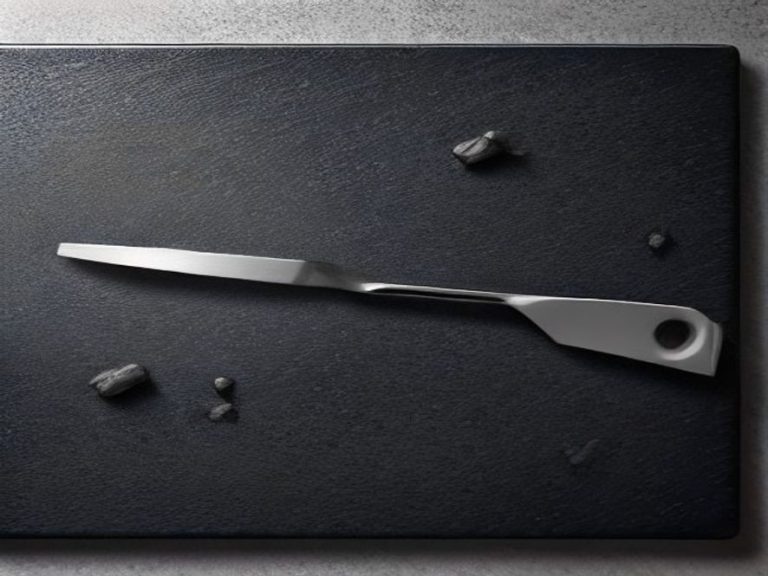
Named for its shape, the Y-peeler has a blade perpendicular to its handle. You hold it with a wide grip, pulling it towards you in long, smooth strokes.
- Best For: Large, tough vegetables like butternut squash and sweet potatoes, as well as long, straight ones like carrots and cucumbers. It’s also the preferred style of many chefs for its speed and efficiency.
- Pros: The open design lets you see exactly what you’re doing, offering great control. The wide handle reduces wrist strain, making it a top choice for big prep sessions.
- Cons: It might feel a bit awkward at first if you grew up using a swivel peeler.
According to experts at America’s Test Kitchen, the Y shape gives you “an unobstructed view—and better control—of the peeling action,” which is a major advantage.
The Swivel (Straight) Peeler: The Classic All-Rounder
This is the traditional design most people are familiar with. The blade is parallel to the handle and swivels to follow the contours of a vegetable or fruit.
- Best For: Round, irregular-shaped items like potatoes, apples, and pears.
- Pros: The familiar, “knife-like” grip and precise control make it excellent for detailed work.
- Cons: The motion can cause wrist fatigue during extended use, and the narrow opening can often clog with peels.
A good rule of thumb for kitchen design and efficiency: keep a Y-peeler for heavy-duty prep and a swivel peeler for detail work. Many serious home cooks keep both on hand.
Blade Material: The Secret to a Sharp Edge
The engine of your peeler is its blade. The material it’s made from significantly impacts its performance and how you care for it.
- Carbon Steel: This is a favorite in professional kitchens. It can be sharpened to an incredibly fine, razor-sharp edge that glides through skins with zero resistance. The trade-off? It’s prone to rust and staining if not dried thoroughly, and it is never dishwasher safe.
- Stainless Steel: This is the most common and practical choice for home cooks. It’s highly resistant to rust and easy to clean, which makes it great for everyday cooking. While it may not get quite as sharp as carbon steel or hold its edge as long, a high-quality stainless steel blade is more than sufficient for most needs.
For the occasional cook who values low maintenance, stainless steel is likely the best choice. For the passionate home cook who wants a professional edge, carbon steel is a rewarding option if you’re willing to care for it.
Specialty Peelers: When to Use Them
While a good Y-peeler or swivel peeler covers 90% of your needs, specialty peelers are lifesavers for certain tasks.
Serrated Peeler: The Gentle Touch
This peeler has a blade with small teeth, perfect for gripping and peeling soft-skinned produce without bruising the flesh. Italicize useful kitchen tips: For perfectly peeled tomatoes, blanch them briefly in boiling water, then use a serrated peeler to slip the skin off with ease..
- Best For: Tomatoes, peaches, plums, kiwis, and bell peppers.
Julienne Peeler: The Trendy Tool
This tool has a row of sharp teeth that cut vegetables into thin, matchstick-like strips. Italicize useful kitchen tips: A julienne peeler is the secret to making beautiful zucchini “zoodles” for a healthy, low-carb meal..
- Best For: Carrots, zucchini, and cucumbers for salads, garnishes, and slaws.
Comparison Table: Finding Your Perfect Peeler
| Item/Method | Purpose | Effectiveness | Difficulty Level | Cost |
|---|---|---|---|---|
| Y-Peeler | Fast, efficient peeling of tough and long produce. | Excellent for speed and ergonomics. | Easy to use after brief practice. | Low-Moderate |
| Swivel Peeler | Precise peeling of round fruits and vegetables. | Excellent for detail and control. | Intuitive for most people. | Low-Moderate |
| Serrated Peeler | Peeling soft-skinned fruits without bruising. | Very effective for delicate produce. | Very easy. | Low |
| Julienne Peeler | Creating thin matchstick cuts for salads and garnishes. | Good for its specific single task. | Easy, but requires a steady hand. | Low |
| Carbon Steel Blade | Provides the sharpest, most precise edge. | High; can be honed to a fine edge. | Requires careful maintenance. | Variable |
| Stainless Steel Blade | Rust-resistant and easy to maintain for daily use. | Good; holds a durable edge. | Simple, requires little care. | Variable |
Top Picks from the Pros
When real-world experience is the best guide, one brand stands out among food editors and test kitchens.
Kuhn Rikon Y-Peeler: This affordable peeler is a favorite because of its razor-sharp carbon steel blade and ergonomic design. Experts at America’s Test Kitchen call their Original Swiss Peeler their top Y-shaped winner for its “wickedly sharp carbon-steel blade.”. Food editors at Simply Recipes rave that it “feels so much more ergonomic in my hand… allowing me to easily peel everything from knobby potatoes to thick-skinned apples.”.
OXO Good Grips Swivel Peeler: If you prefer a straight peeler, America’s Test Kitchen recommends the OXO Good Grips Swivel Peeler for its comfortable, non-slip handle and sharp stainless steel blade.
Expert Tips for Safe and Efficient Peeling
- Keep a Sharp Blade: A dull blade is dangerous. It requires more pressure to cut, which means it’s more likely to slip and cause injury.
- Peel Away From Your Body: Always move the peeler away from yourself and keep your fingers clear of the blade path.
- Secure Your Food: Hold the fruit or vegetable firmly with one hand to keep it stable while you peel with the other.
- Clean and Dry Immediately: To prolong the life of any blade, especially carbon steel, wash it by hand and dry it thoroughly after each use. Never put your good peeler in the dishwasher.
FAQ
Why does my peeler feel dull even when it’s new?
It may not be the right type for the job. For example, a straight peeler struggles with tough butternut squash, while a Y-peeler excels at it. Also, some cheaper peelers simply aren’t sharpened well from the factory.
How do I fix a clogged peeler?
Most peelers clog because of a narrow opening. A Y-peeler is less prone to this, but if yours clogs, run the dull side of a butter knife along the blade to dislodge the peel.
What is the best way to clean my peeler?
Hand wash it with warm, soapy water and dry it immediately. This is especially important for carbon steel blades, which can rust, but it’s also good practice for all kitchen tools.
How do I peel a tomato without making a mess?
Use a serrated peeler. The “teeth” grip the soft skin, allowing you to peel it cleanly without squishing the fruit.
What’s the best peeler for left-handed people?
Many Y-peelers are ambidextrous by design. The Kuhn Rikon Y-peeler, for instance, is noted for its comfortable fit for both right- and left-handed users.
My knife skills are okay—do I really need a peeler?
While a paring knife can peel, a dedicated peeler is safer, faster, and reduces waste by removing only a thin layer of skin.
My peeler is leaving brown spots on the food. What’s wrong?
This is a classic sign of a carbon steel blade reacting with certain foods. It’s harmless but unattractive. Make sure to dry the blade thoroughly after washing to help prevent this reaction.
References:
Trusted Sources for Choosing Kitchen Tools:
Which kitchen problem do you want solved next? Share your thoughts in the comments.