Cooking Tools That Make Cleanup Faster After Cooking: Smart Solutions for Less Scrubbing
That mountain of dirty dishes and crusty pans can make even the best meal feel like a chore—but the right tools can slash your cleanup time and get you out of the kitchen faster.
You’ve just finished a delicious meal. Everyone is happy. But then you look at the kitchen. Pans with stuck-on food. Bowls caked with batter. A countertop covered in drips and splatters. The cleanup feels overwhelming. The good news? There are clever tools designed specifically to make cleanup faster and easier. This guide will show you exactly which tools to reach for when you want to spend less time scrubbing and more time relaxing.
TL;DR (Too Long; Didn’t Read)
- Best Cleanup Tools: Bench scrapers remove stuck-on food without destroying sponges; silicone spatulas scrape bowls completely clean; nonstick cookware prevents food from bonding to surfaces.
- Time-Saving Strategy: One-pot cooking and multi-cookers mean fewer dishes overall.
- Cleaning Shortcuts: Multi-purpose cookers with nonstick inserts, dishwasher-safe utensils, and specialized scrapers speed up the process.
- Key Rule: Choose tools that are easy to clean—if a gadget is hard to wash, you won’t use it.
Key Takeaways
- A Plastic Bench Scraper is a Cleanup Secret Weapon: It peels off caked-on food without damaging pans and saves your sponges from getting destroyed .
- Silicone Spatulas Get Every Last Bit Out: They scrape bowls, pans, and jars completely clean, reducing food waste and making washing easier .
- Nonstick Cookware is a Lifesaver: Food slides right off, so you spend less time soaking and scrubbing .
- Immersion Blenders Reduce Dishes: You can blend soups and sauces right in the pot you cooked in—no bulky blender pitcher to clean .
- Multi-Cookers Mean One-Pot Cleanup: Appliances like the Instant Pot replace multiple pans and cook everything in one nonstick insert .
The Best Tools for Faster Cleanup
Tool 1: Plastic Bench Scraper (The Grime Peeler)
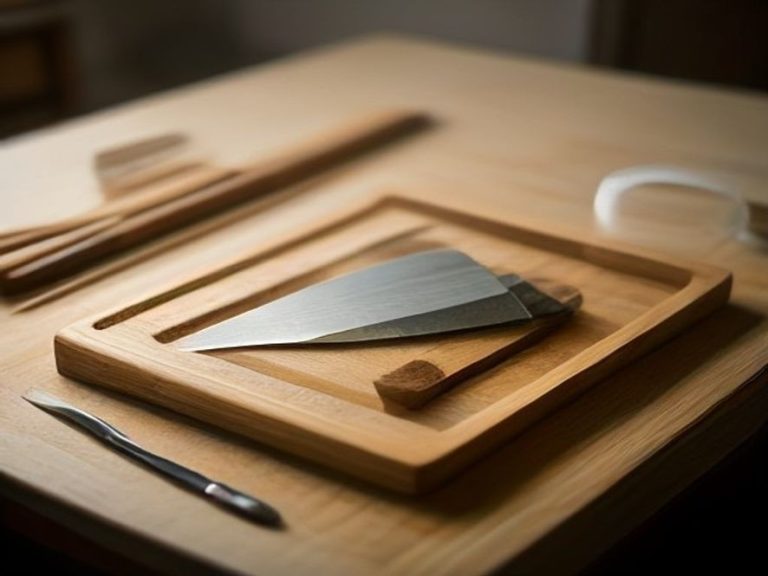
A plastic bench scraper is the ultimate tool for cleaning pots, pans, and plates with stuck-on food. Unlike metal scrapers, it won’t scratch nonstick or cast iron surfaces, and its flexible edge molds to curves and corners to lift off gunk with minimal effort .
Why It Works: Instead of spending hours soaking a pan or destroying a sponge by scrubbing dried rice or sauce, you simply scrape the residue off first. The scraper peels away the grime, and then a quick wash with soap and a sponge finishes the job. This means your sponges last longer and you spend less time scrubbing .
How to Use: After cooking, let your pan cool slightly. Use the scraper’s edge to dislodge any stuck-on food. Wash the residue down the drain, then give the pan a quick once-over with soap and water.
Pro Tip: Keep one scraper dedicated to cleaning and another for food prep (like handling dough). They’re inexpensive and often come in multi-packs for under $10 .
Tool 2: Silicone Spatulas (The Complete Clean)
A good silicone spatula is essential for getting every last bit of food out of bowls, pans, and jars. This means less waste and less scrubbing because you’ve removed nearly all the residue before washing .
Why It Works: Silicone is flexible and heat-resistant. It scrapes cleanly along curves and corners, leaving bowls practically clean and requiring much less effort to wash .
Tool 3: 2-in-1 Multi-Cookers (One-Pot Wonder)
A multi-cooker like an Instant Pot or the Ninja Foodi PossibleCooker can replace multiple cooking tools. You can sear, sauté, slow cook, pressure cook, and more all in one nonstick pot. This means fewer pans to wash after a meal .
Why It Works: By cooking everything in a single pot, you eliminate the need for multiple pans and utensils. Plus, the nonstick coating makes the insert easy to wipe clean. Some models even have dishwasher-safe lids and included utensils .
Tool 4: Immersion Blender (15-Second Cleanup)
A stick blender lets you blend soups, sauces, and smoothies directly in the pot, bowl, or glass you’re using. You don’t have to transfer hot liquids to a bulky blender pitcher, which saves time and eliminates a major cleanup task .
Why It Works: The cleanup is incredibly fast. You just rinse the blending wand under running water—it takes about 15 seconds—instead of cleaning a large pitcher, blade assembly, and lid .
Tool 5: Splatter Guard (The Grease Stopper)
A splatter guard is a fine mesh screen that sits on top of your pan. It lets steam escape while keeping oil and sauce from splattering your stovetop.
Why It Works: Frying and simmering create a greasy mess that’s hard to clean. A splatter guard catches the grease so your stove stays clean. This is one of the most effective tools for preventing messes before they happen.
Tool 6: Nonstick Cookware (Easy Release)
Nonstick pans and baking sheets mean food slides off easily. No soaking, scrubbing, or scraping .
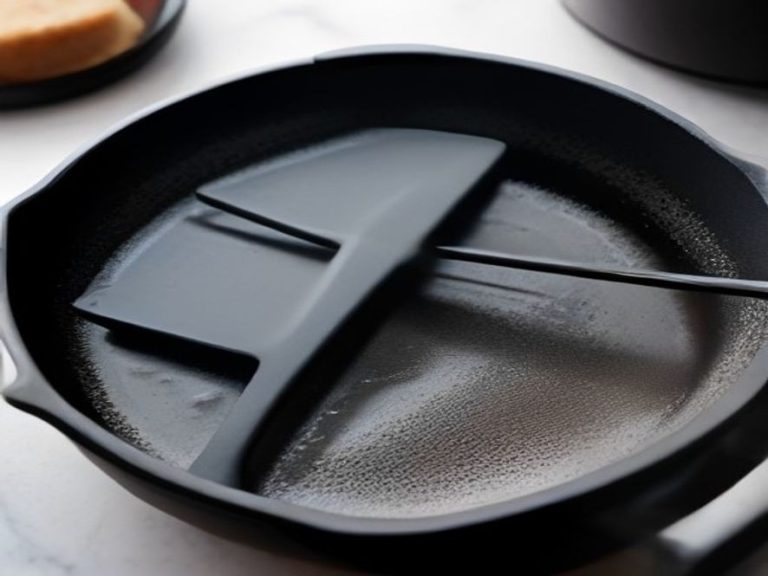
Why It Works: Stuck-on food is one of the biggest cleaning frustrations. Nonstick surfaces prevent food from bonding to the pan, so you can clean with a gentle wipe instead of aggressive scrubbing.
Tool 7: The Gap Cleaning Tool (For Hard-to-Reach Spots)
A retractable gap cleaning tool with microfiber cloths lets you clean under appliances and in tight spaces without moving heavy ovens or refrigerators .
Why It Works: It has a slim profile that can reach under appliances and the narrow spaces between your stove and counter, where crumbs and grease build up. You just slide the tool under, and the cloth grabs the debris .
Tool 8: Dishwasher-Safe Utensils (Fewer Hand-Wash Items)
Choosing cooking tools labeled dishwasher-safe means you can simply load them in the dishwasher and let the machine do the work.
Why It Works: Look for tongs, ladles, spatulas, and measuring cups that are explicitly dishwasher-safe. The essential 2-in-1 draining tongs, for instance, are both functional and dishwasher-safe, cutting down on the number of items you need to wash by hand .
Comparison Table: Best Cleanup Tools
| Tool | What It Does | How It Saves Cleanup Time |
|---|---|---|
| Plastic Bench Scraper | Peels off stuck-on food from pans and plates. | Prevents hours of soaking; saves sponges . |
| Silicone Spatula | Scrapes bowls, jars, and pans completely clean. | Removes residue before washing, reducing scrubbing . |
| Multi-Cooker | Cooks entire meals in one nonstick pot. | Reduces number of dishes; easy to wipe clean . |
| Immersion Blender | Blends food directly in the pot you cooked in. | Avoids cleaning a bulky blender pitcher . |
| Splatter Guard | Catches grease splatters while frying. | Prevents stovetop mess; less scrubbing. |
| Nonstick Cookware | Food releases easily. | No soaking or scraping needed . |
| Gap Cleaning Tool | Cleans under appliances and tight spots. | Reaches impossible areas without moving heavy appliances . |
Frequently Asked Questions (FAQ)
What is the fastest way to clean a pan with stuck-on food?
Use a plastic bench scraper to peel off the residue. It’s faster than soaking and saves your sponges from getting ruined .
Are silicone spatulas better for cleanup?
Yes, silicone spatulas are flexible and heat-resistant. They scrape bowls completely clean, reducing food waste and making washing easier .
How can I reduce the number of dishes I need to wash?
Cook everything in one pot using a multi-cooker like an Instant Pot. This significantly reduces the number of dishes you create .
What tool helps clean under heavy appliances?
A retractable gap duster with a slim microfiber frame can slide under appliances without you having to move them .
Is an immersion blender worth it for cleanup?
Yes. You can blend soups directly in the pot, and cleaning the wand takes about 15 seconds—much faster than washing a bulky blender .
References
Expert Advice on Kitchen Tools for Faster Cleanup
- New York Magazine: A $2 Plastic Bench Scraper For Washing Dishes
- Recipe Remote: 10 Kitchen Gadgets That Genuinely Save You Time
- The Kitchn: Dreamfarm Cleana 2-in-1 Scraper Review
- Allrecipes: The Best Electric Scrubber for Kitchen Grime
- Yahoo: A Gap Cleaning Tool for Under Appliances
- Tefal: 2-in-1 Draining Tongs
Which kitchen problem do you want solved next? Share your thoughts in the comments.