Why Does My Kitchen Sink Drain Overflow When the Garbage Disposal Runs?
That sudden rush of dirty water backing up into the other side of your sink when you flip the disposal switch can be alarming—but it’s also a clear signal that your plumbing is trying to tell you something specific.
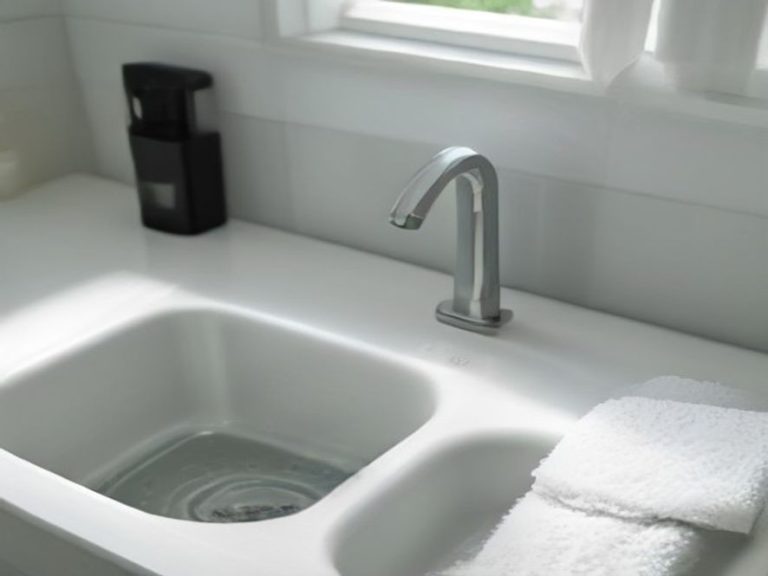
The good news is this is one of the most common kitchen sink problems, and it usually has a straightforward explanation. When your disposal runs, it works like a pump, pushing water and food waste through the drain with force . If that water hits a blockage, it has to go somewhere—and the path of least resistance is often back up through the other sink basin .
The Real Cause: A Blockage in the Shared Drain Line
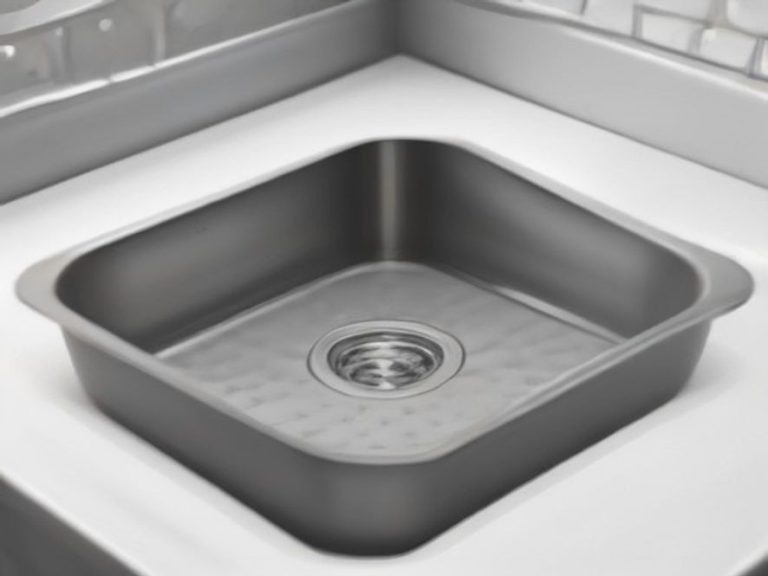
Both sides of a double sink typically drain into a shared pipe before exiting your kitchen. When the disposal runs, it creates extra pressure . If there’s a partial clog downstream from where the two drains meet, that pressurized water can’t pass through fast enough, so it backs up into the adjacent sink .
In short, the problem isn’t usually the disposal itself—it’s a blockage in the shared plumbing beyond the disposal .
Where the Blockage Usually Hides
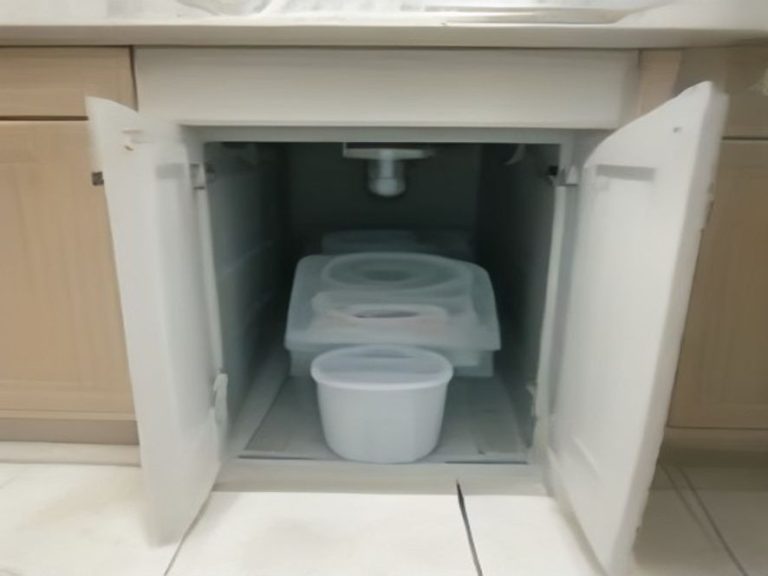
The P-Trap: This curved pipe under the sink is designed to catch debris, making it a common spot for clogs . If it’s blocked, water backs up immediately when the disposal runs.
The Branch Drain Line: If the P-trap is clear, the blockage is further down—in the horizontal pipe that connects your sink to the main drain . This is especially common if the disposal has been used to grind problem foods like potato peels or fibrous vegetables .
Grease and Food Buildup: Over time, solidified grease and food particles narrow the pipe walls, creating a partial blockage that only causes problems under pressure .
Less Common But Possible Causes
- Improper plumbing configuration: If the disposal feeds into the side of the drain tee instead of directly into the trap, it can force water backward into the other sink .
- Knockout plug still in place: On a new disposal installation, forgetting to remove the dishwasher knockout plug can block water flow .
- Venting issues: A blocked vent pipe can disrupt air pressure and cause backups .
What to Do About It
Start with the P-Trap:
- Place a bucket under the trap and remove it.
- Clean out any accumulated debris .
- Reassemble and test the disposal.
If That Doesn’t Work:
The blockage is further down the line. Use a drain snake inserted into the pipe opening toward the wall .
Prevent Future Backups:
- Run cold water before, during, and for 30 seconds after using the disposal .
- Never pour grease or oil down the drain .
- Avoid grinding fibrous foods, coffee grounds, pasta, or eggshells .
- Periodically grind ice cubes to help clean the disposal blades .
When to Call a Professional
If you’ve cleared the P-trap and snaked the drain line without success, or if multiple drains in your home are backing up, the problem may be a deeper main line clog that requires professional equipment .
Which kitchen problem do you want solved next? Share your thoughts in the comments.