How to Fix Low Cold Water Pressure at Your Kitchen Sink: Causes & Easy Solutions
You turn on the cold water to fill a pot or rinse some vegetables, and instead of a strong, refreshing stream, you get a disappointing trickle. The hot water works just fine, but the cold side seems to have given up.
TL;DR
Low cold water pressure at your kitchen sink—when hot water pressure is normal—means the problem is isolated to the cold water supply path. Common culprits include a partially closed cold water shut-off valve, a clogged aerator, debris in the faucet cartridge, or a kinked cold water supply line. Most of these issues are fixable with simple DIY steps, but a plumbing issue deeper in the system may require a professional.
Key Takeaways
- The problem is specific to the cold water line, so start by checking the cold water shut-off valve under the sink—it may be partially closed .
- A clogged aerator is a common cause across both hot and cold lines, but debris can affect just the cold side if it got lodged there .
- The faucet cartridge can collect dirt and mineral deposits over time, restricting just the cold water flow .
- A kinked supply hose under the sink can restrict water flow to just the cold side if only that line is bent .
- Debris from the cold water line—especially after plumbing work—can clog the cartridge or spray head screen .
The Real Reason Your Cold Water Pressure Is Low
When hot water flows fine but cold water barely trickles out, you can narrow down the problem. Since the faucet and aerator are shared by both temperatures, the issue is likely somewhere along the cold water path specifically.
The Most Common Culprits
1. The Cold Water Shut-Off Valve Isn’t Fully Open
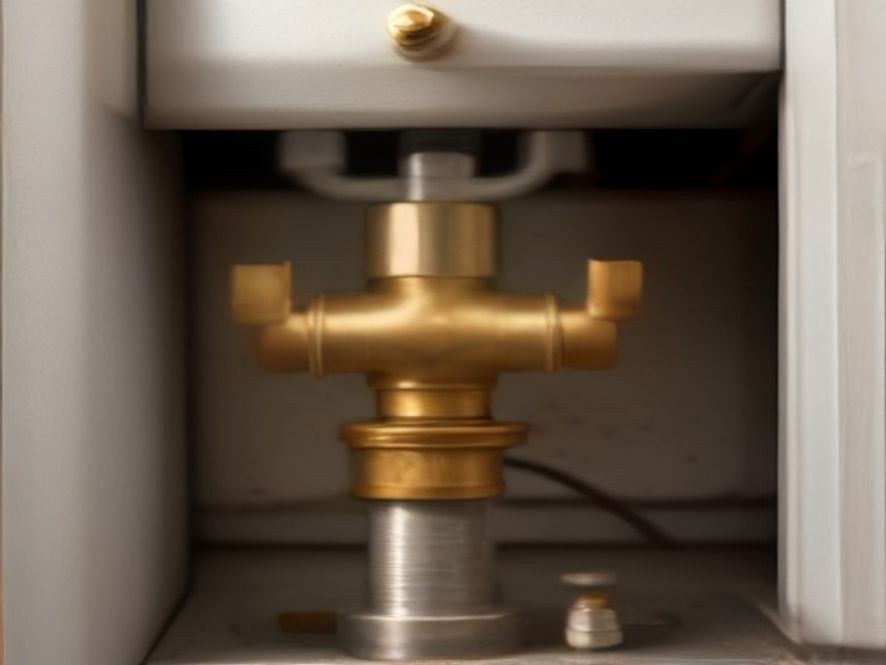
Under your kitchen sink, you’ll find two small valves—one for cold water and one for hot. If the cold water valve has been accidentally bumped or partially turned, it can restrict flow. This is a surprisingly common issue that’s incredibly easy to fix .
This is the simplest fix: look under the sink and turn the cold water valve fully counterclockwise until it stops. If the pressure improves, that was the problem.
2. A Clogged Aerator
The aerator is the small mesh screen at the tip of your faucet. It mixes air with water and catches debris. Over time, mineral deposits, rust particles, and tiny debris can build up and restrict flow .
While a clogged aerator usually affects both hot and cold water, sometimes debris from the cold line specifically gets trapped there, reducing just the cold side flow .
3. Debris in the Cold Water Supply Line or Cartridge
The cartridge inside the faucet handle controls water flow and temperature. Dirt and sediment can collect in the cartridge or valve body over time, inhibiting flow . If you’ve had recent plumbing work, debris can also get kicked loose and lodge in the cold water supply line or the cartridge .
Plumbing professionals recommend a simple test to pinpoint the problem: disconnect the cold water supply line from the faucet, direct it into a bucket, and check the flow. If the flow from the line is strong, the problem is in the faucet (cartridge or aerator). If it’s weak, the issue is in the supply line or further back .
4. A Kinked Cold Water Supply Hose
The flexible hoses that connect your faucet to the water supply under the sink can get kinked if they’re shoved into a tight space. Like putting a bend in a garden hose, this restricts the flow of water .
Italicized tip: Check under the sink to make sure cleaning supplies or other items aren’t pushing up against the cold water supply line and creating a kink.
5. A Faulty Diverter or Spray Head Screen (for Pull-Down Faucets)
If you have a pull-down or pull-out kitchen faucet, the spray head has a small screen where it connects to the hose. This screen can become clogged with sediment and debris, reducing pressure . A stuck diverter can also cause issues .
Step-by-Step Diagnostic Guide
Follow these steps in order to pinpoint the exact cause.
Step 1: Check the Cold Water Shut-Off Valve
This is the easiest fix and takes just a few seconds.
- Look under the sink and locate the valve on the cold water supply line.
- Turn the valve counterclockwise until it stops.
- Run the cold water and check the pressure.
If the pressure is back to normal, you’re done. If not, move to the next step.
Step 2: Clean the Aerator
Even if hot water is fine, the aerator can be partially clogged with debris that came through the cold water line.
- Unscrew the aerator from the tip of the faucet (use pliers wrapped in tape to avoid scratching).
- Rinse it under running water and scrub with an old toothbrush.
- If mineral deposits are stubborn, soak the aerator in white vinegar for about 15 to 30 minutes .
- Reinstall the aerator and test the cold water pressure.
Italicized tip: Don’t soak the aerator for longer than 30 minutes, as vinegar is acidic and can damage rubber or plastic parts .
Step 3: Test the Cold Water Pressure from the Supply Line
This test will tell you if the problem is in the faucet or deeper in the plumbing .
Safety reminder: Place a bucket under the connection before disconnecting anything.
- Under the sink, close the cold water shut-off valve.
- Disconnect the cold water supply line from the faucet (use a wrench if needed).
- Place the end of the line into a bucket.
- Open the shut-off valve slowly and check the water flow into the bucket.
- If the flow from the line is strong and normal: the problem is in the faucet itself—likely a clogged cartridge or aerator.
- If the flow from the line is weak: the problem is further back—in the supply line, shut-off valve, or home plumbing.
Step 4: For Pull-Down Faucets—Check the Spray Head Screen
If you have a pull-down or pull-out faucet, this is a common cause of low flow .
- Pull the spray head out and unscrew it from the hose by hand.
- Inspect the small screen where the hose connects to the spray head. If there’s debris, rinse it off with water .
- Hold the end of the hose in the sink and turn on the water.
- If the pressure from the hose is good: the spray head screen was clogged. Reattach and test.
- If the pressure from the hose is still low: the cartridge likely needs attention.
Step 5: Clean or Replace the Cartridge
If the supply line has good pressure but cleaning the aerator and spray head screen didn’t help, the cartridge is likely clogged .
Safety reminder: Turn off the hot and cold water supply valves before removing the cartridge.
- Remove the faucet handle. Each model is different, so check your manufacturer’s instructions or identification guide .
- Take out the cartridge—usually with a wrench or by pulling it straight out.
- Inspect it for debris and mineral buildup. Rinse it thoroughly.
- With the cartridge removed, briefly turn on the water supply and flush the valve body to clear any debris .
- Reinstall the clean cartridge or replace it if it’s damaged.
- Reassemble the faucet and test the pressure.
Low Cold Water Pressure Causes Comparison
| Cause | Diagnostic Sign | DIY Fix | When to Call Pro |
|---|---|---|---|
| Cold water valve partially closed | Cold pressure low only; valve isn’t fully open | Turn valve fully counterclockwise | If valve spins without affecting flow |
| Clogged aerator | Flow weak from faucet; cleaning restores pressure | Remove, clean with brush or vinegar soak, reinstall | If aerator is damaged or corroded |
| Clogged faucet cartridge | Supply line flow is good, but pressure from faucet is weak; cold side only | Remove, clean, and reinstall cartridge; flush valve body | If cleaning doesn’t work—cartridge may need replacing |
| Kinked cold water supply hose | Weak flow from faucet; kink visible under sink | Straighten the kink or re-route the hose to prevent pinching | If hose is damaged or cracked |
| Clogged spray head screen | Pull-down faucet; low flow from spray head but hose flow is strong | Remove spray head and clean the screen | If screen is damaged or cleaning doesn’t help |
Frequently Asked Questions (FAQ)
Why is only my cold water pressure low but hot is fine?
This usually means the problem is somewhere in the cold water line—either a partially closed valve, a clogged cartridge, debris in the supply line, or a kinked hose .
How do I know if the problem is my faucet cartridge or a clogged supply line?
Test the flow directly from the cold water supply line under the sink. If the flow from the line is strong, the problem is in the faucet. If it’s weak, the issue is in the supply line .
Can a clogged aerator affect only the cold water?
Yes. While it usually affects both, debris that came through the cold water line can get stuck in the aerator and reduce only the cold water flow .
What’s the easiest fix for low cold water pressure?
Check that the cold water shut-off valve under the sink is fully open—this solves the problem surprisingly often .
Should I use chemical cleaners for low pressure?
No. Chemical cleaners are for clogs, not low pressure caused by mineral buildup or valves. They can damage your faucet and pipes.
When should I call a plumber?
If you’ve checked the valve, cleaned the aerator and cartridge, and the pressure is still low, there may be an issue with your home’s plumbing system that requires professional help .
References
Trusted Plumbing Resources for Low Cold Water Pressure at Kitchen Sinks:
- Moen – Low Water Flow Troubleshooting
- Kohler Assist – Low Flow from Hot and Cold Water
- Gerber – Low Pressure in Pull-Down Faucets
- Better Homes & Gardens – 10 Ways to Improve Low Water Pressure
Which kitchen problem do you want solved next? Share your thoughts in the comments.