Why Does My Kitchen Sink Overflow During Heavy Water Use? A Complete Troubleshooting Guide
You’re draining a full pot of pasta water, or the dishwasher is running, and suddenly—water is backing up into your sink instead of going down. It’s messy, stressful, and makes you wonder if your plumbing is failing.
A kitchen sink that overflows during heavy water use is a clear sign that your drainage system is struggling to keep up. The good news is that this problem usually has a limited number of causes, and most can be fixed without calling a plumber. This guide walks you through why it happens and the best way to get your sink draining freely again.
TL;DR
An overflowing sink during heavy use is almost always caused by a partial blockage that restricts water flow. Grease buildup, food scraps, a full P-trap, or an undersized drain pipe are the usual suspects . The problem can also be linked to a dishwasher draining into the same line . Start by stopping the water, removing standing water, and trying a plunger. If that fails, cleaning the P-trap or snaking the drain usually solves it. Persistent issues may point to a deeper blockage in the main line.
Key Takeaways
- Partial blockages are the main cause: Slow buildup of grease and food scraps narrows the pipe, causing backups during high flow .
- The P-trap is a common culprit: Its U-shape catches debris that can block water flow under pressure .
- Drain pipe size matters: A kitchen sink needs at least a 1 ½-inch drain. Too-small pipes can’t handle heavy volumes .
- Dishwasher connections can contribute: Dishwashers drain into the same line, and a clog there can push water back into the sink .
- Act fast: Stop running water immediately and bail out standing water to prevent overflow damage .
The Real Causes Behind an Overflowing Sink During Heavy Water Use
When water backs up during high use, it means your drain can’t handle the volume coming in. Understanding the cause helps you pick the right fix.
Slow-Building Clogs
This is the most common reason. Grease, oils, and food scraps accumulate inside your pipes over time . They harden and narrow the passage. During normal use, water still drains slowly. But when you release a full sink of water or the dishwasher empties, the flow overwhelms the restricted pipe and water backs up . Regular kitchen cleaning prevents this gradual buildup from becoming a sudden flood.
A Blocked P-Trap
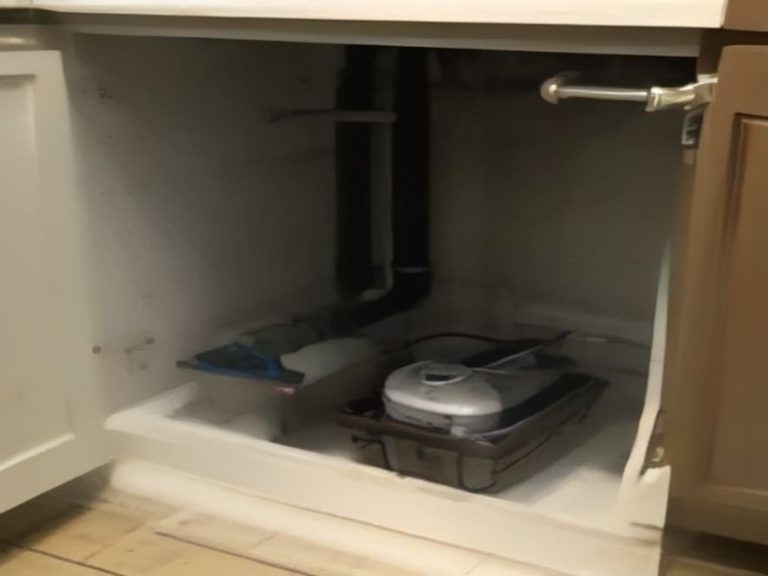
The P-trap is the U-shaped pipe under your sink. It’s designed to hold water to block sewer gases, but its shape also makes it a prime spot for catching debris . Items like food scraps, small utensils, or even coffee grounds can lodge there. When heavy water flow hits a blocked trap, the water has nowhere to go but back up into the sink.
Dishwasher Drainage Issues
Your dishwasher drains into the same kitchen sink drain line, often through a connection at the garbage disposal . If the dishwasher’s drain hose is clogged, kinked, or incorrectly installed, or if the garbage disposal is blocked, the dishwasher’s pumped-out water can back up into the sink basin . If the backup only happens during or right after a dishwasher cycle, this is a prime suspect .
Undersized Drain Pipes
The standard kitchen sink drain pipe is 1 ½ inches in diameter . This size is designed for typical kitchen water volumes. If your home’s plumbing was installed with a smaller pipe, or if you have a double sink that requires a 2-inch drain, the system can get overwhelmed during heavy use . Improperly sized drain pipes are a common oversight in older homes or DIY renovations.
Deeper Blockages or Venting Problems
If the clog is further down the main drain line, or if the vent pipe is blocked, you might experience backups in multiple fixtures, not just the kitchen sink . A gurgling sound when water drains is a classic symptom of a venting issue . This problem requires professional attention.
How to Fix a Sink That Overflows During Heavy Use: Step-by-Step
Start with the easiest, safest solutions first. Always unplug appliances before cleaning or repairing them, and keep electrical cords away from standing water.
Step 1: Stop and Assess
Stop running water immediately . Use a cup or small container to bail standing water into a bucket to prevent overflow onto your floor or cabinet . Remove any visible debris from the drain opening.
Step 2: Try a Plunger
Fill the sink with a few inches of water to cover the plunger cup. Use a cup plunger (not the flange type for toilets). Seal it over the drain and pump vigorously for 15–30 seconds . Flush with hot water and see if drainage improves.
Step 3: Use a Natural Cleaner
For grease buildup, pour half a cup of baking soda down the drain, followed by a cup of white vinegar. Cover the drain and let it fizz for 15 minutes. Follow with a pot of boiling water . This can melt soft grease clogs.
Step 4: Check the P-Trap
Place a bucket under the P-trap. Loosen the slip nuts on both ends and remove the trap . Clean out any debris, inspect the washers for wear, and reattach securely . This often clears the blockage.
Step 5: Inspect Dishwasher Connections
If the backup happens when the dishwasher runs, check the drain hose. Ensure it is looped up high under the counter (a “high loop”) to prevent backflow . Also check that the garbage disposal’s dishwasher inlet isn’t clogged .
Step 6: Use a Drain Snake
For stubborn clogs, a drain snake can reach blockages beyond the P-trap. Feed the snake into the drain, turning the handle until you feel resistance. Work through the clog, then flush with hot water .
Simple Tips to Prevent Future Overflows
- Never pour grease down the drain: Let it cool and harden in a container, then throw it in the trash .
- Use a sink strainer: Catch food scraps before they enter the drain .
- Run hot water after each use: A 30-second flush helps keep grease moving through the pipes .
- Don’t overload the disposal: Feed food waste slowly and use cold water to help solidify grease for grinding .
When to Call a Professional Plumber
If DIY methods fail, or if you notice any of these signs, call a plumber:
- Multiple fixtures backing up: This points to a main sewer line issue .
- Persistent gurgling sounds: This suggests a blocked vent pipe .
- Sewage odors: This is a health hazard and requires immediate attention .
- Recurring clogs: If the problem keeps coming back, there’s a deeper issue .
“Most kitchen sink overflows during heavy use are caused by a slow, gradual buildup of grease and debris. Regular maintenance and mindful disposal habits are your best prevention.”
Frequently Asked Questions (FAQs)
1. Why does my sink overflow only when I drain a full pot of water?
A large volume of water creates a surge that overwhelms a partial blockage. Normal flow might still drain slowly, but the surge backs up .
2. My sink overflows when the dishwasher runs—why?
The dishwasher and sink share a drain line. A clog in that shared line, the garbage disposal, or the dishwasher’s drain hose causes the pumped water to back up into the sink .
3. Can a garbage disposal cause a sink to overflow?
Yes. If the disposal is clogged with food debris, it blocks the drain path, causing water to back up .
4. What’s the best way to clear a grease clog?
Try boiling water or a baking soda and vinegar mixture . For heavy grease, professional hydro-jetting may be needed to clean the pipe walls .
5. Why is my sink gurgling when it drains?
Gurgling is often a sign of a blocked vent pipe, which allows air to be sucked from the drain instead of pulled in from the vent .
References
Trusted Sources for Kitchen Drain Troubleshooting:
- Angi – Sink Drain Pipe Size Guide
- Enercare – Clogged Drain Troubleshooting
- Home Fixer Guide – Kitchen Sink Overflow Guide
- Vort Plumbing – Overflowing Drain Causes
Which kitchen problem do you want solved next? Share your thoughts in the comments.