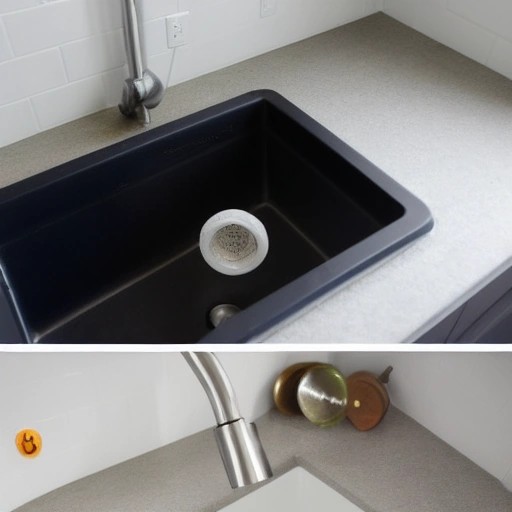

Why Is There Standing Water in My Kitchen Sink P-Trap? Causes and Simple Fixes
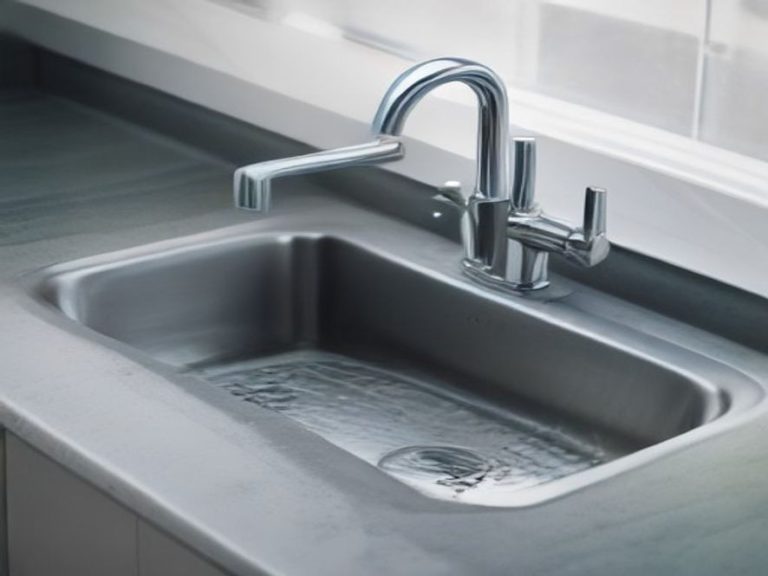
You look under your sink and see water sitting in the P-trap, and you wonder—is that normal, or is something wrong?
Let’s clear this up right away: a small amount of water in your P-trap is normal and actually essential. That water creates a seal that blocks sewer gases from entering your kitchen. But if you’re seeing too much water, or the water isn’t draining from the sink itself, you’ve got a different problem.
What the P-Trap Is Supposed to Do
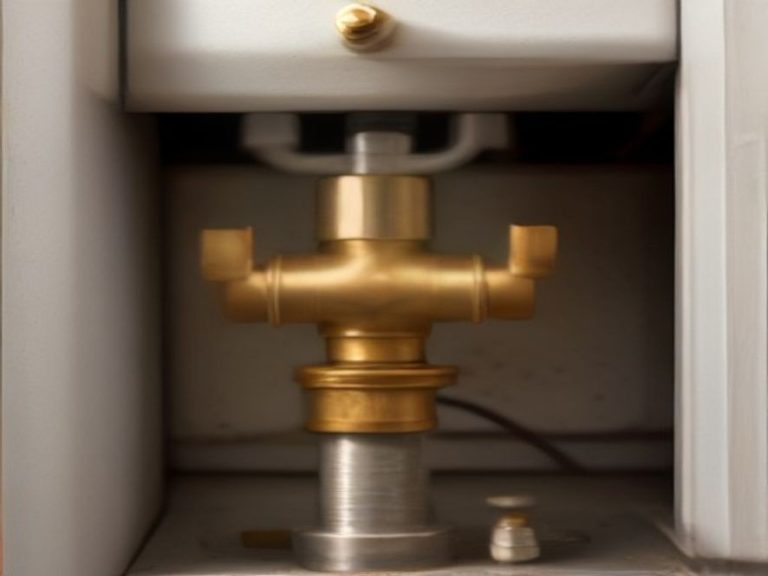
The P-trap is the U-shaped pipe under your sink. Its job is simple but important:
- Hold water to block sewer gases: The curved section traps a small amount of water (about 1.5 to 2 inches) that acts as a barrier. Without that water, foul-smelling and potentially harmful sewer gases can travel up through the drain.
- Catch debris: The trap also catches food particles and other gunk, preventing them from causing deeper clogs in your plumbing.
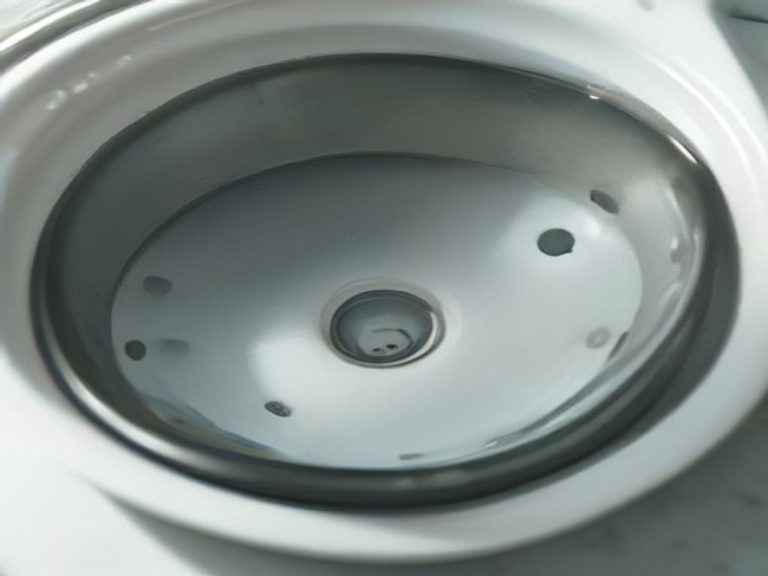
So, seeing some water in the bottom of the P-trap when you look down your sink drain is completely normal. That’s the water seal doing its job.
When Standing Water Means Trouble
You might have a problem if:
- Water is pooling in the sink basin and not draining at all.
- The sink drains very slowly, leaving water sitting for a long time.
- You see water backing up into the sink from the drain.
These signs point to a clog somewhere in the drainage system. The P-trap itself is often the first place debris gets trapped because of its curved shape.
What’s Causing the Clog?
The most common culprits for a clogged P-trap (and standing water in your sink) are:
- Grease and fat buildup: Pouring cooking oils, butter, or meat juices down the drain is a major cause. They cool and harden, coating pipe walls and trapping other debris.
- Food scraps: Even with a garbage disposal, food particles like coffee grounds, pasta, rice, and fibrous vegetables can accumulate and form clogs.
- Foreign objects: Small items, produce stickers, or plastic wrap can accidentally find their way into the drain.
Step-by-Step Fix for a Clogged P-Trap
Follow these steps to clear the blockage and get your water draining again.
1. Clear Standing Water and Use a Plunger
First, remove as much standing water from the sink as possible using a cup or small container. Then, try a plunger:
- Place it over the drain, ensuring a tight seal.
- Add a few inches of water to help with suction.
- Pump vigorously for about 30 seconds.
- Check if the water drains.
2. Try a Natural DIY Cleaner
If plunging doesn’t work, a baking soda and vinegar solution can be effective for minor clogs without harsh chemicals:
- Pour 1/2 cup of baking soda directly into the drain.
- Follow with 1 cup of white vinegar.
- Let the mixture fizz for 10-15 minutes.
- Flush with boiling water.
3. Physically Clean the P-Trap
If the clog persists, it’s time to get your hands dirty:
- Place a bucket underneath the P-trap to catch water and debris.
- Use a wrench or pliers to loosen the slip nuts at both ends of the trap.
- Carefully remove the trap and empty its contents into the bucket.
- Scrub the trap clean with a brush and hot water.
- Reattach the trap and run water to check for leaks.
4. When to Call a Professional
If you’ve tried these steps and the water still won’t drain, the clog may be deeper in the plumbing system. Call a plumber, especially if water backs up in multiple drains or you notice a persistent foul odor.
“Most kitchen problems come from small maintenance habits that are often ignored.” Avoiding pouring grease down the drain is the single best way to prevent P-trap clogs.
Frequently Asked Questions
Is it normal to have standing water in my P-trap?
Yes, a small amount of water in the P-trap is essential. It creates a seal that blocks sewer gases from entering your home.
Why does my sink have standing water that won’t drain?
Standing water in your sink usually means there’s a clog in the P-trap or further down the drain line.
What is the easiest way to unclog a P-trap?
Start with a plunger. If that doesn’t work, try a baking soda and vinegar flush. For stubborn clogs, physically remove and clean the P-trap.
Can a garbage disposal cause a P-trap clog?
Yes, if the disposal isn’t grinding food properly, scraps can accumulate in the P-trap and cause a blockage.
Sources and references for plumbing maintenance:
- Angi – What Is a P-Trap?
- Team Penguin Plumbing – How to Unclog a Kitchen Sink
- Ecohome – Troubleshoot a Clogged Sink
- Bens Plumbing – Kitchen Sink Backing Up
- FindTrustedHelp – How to Unclog a Kitchen Sink
Which kitchen problem do you want solved next? Share your thoughts in the comments.