Sewer Smell in Kitchen: Common Causes and Practical Solutions to Fix the Stink
That unpleasant smell coming from your kitchen sink can quickly ruin your cooking experience and make you dread spending time in your own kitchen.
TL;DR
A sewer smell in your kitchen is usually caused by a dry P-trap, clogged vents, or rotting food and grease buildup in your pipes. Start by running water to refill the P-trap, then try a baking soda and vinegar treatment. If the odor persists, you may need to manually clean the P-trap or call a plumber to inspect for cracked pipes or vent blockages. Regular maintenance like pouring hot water down the drain and avoiding grease disposal can prevent the smell from returning.
Key Takeaways
- The P-trap under your sink holds water that blocks sewer gases—if it dries out, smells come through
- Grease and food buildup creates bacteria that produce hydrogen sulfide gas, which smells like rotten eggs
- Blocked plumbing vents can force sewer gas back into your kitchen instead of venting outside
- Simple DIY fixes include flushing with hot water, baking soda and vinegar, and cleaning the P-trap
- Call a professional plumber if the smell persists or comes with slow drainage or gurgling sounds
The Real Causes Behind Sewer Smell in Kitchen and How to Fix Them
A sewer smell in your kitchen can come from several different sources. Understanding which problem you’re dealing with is the first step to getting rid of that nasty odor for good.
Why Your Kitchen Sink Smells Like Sewer Gas
Most kitchen sink odors fall into one of these categories:
The Dry P-Trap Problem
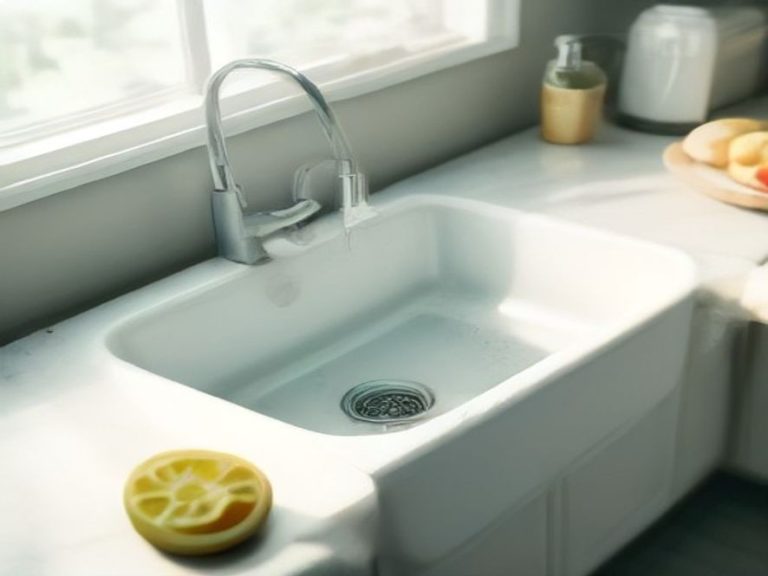
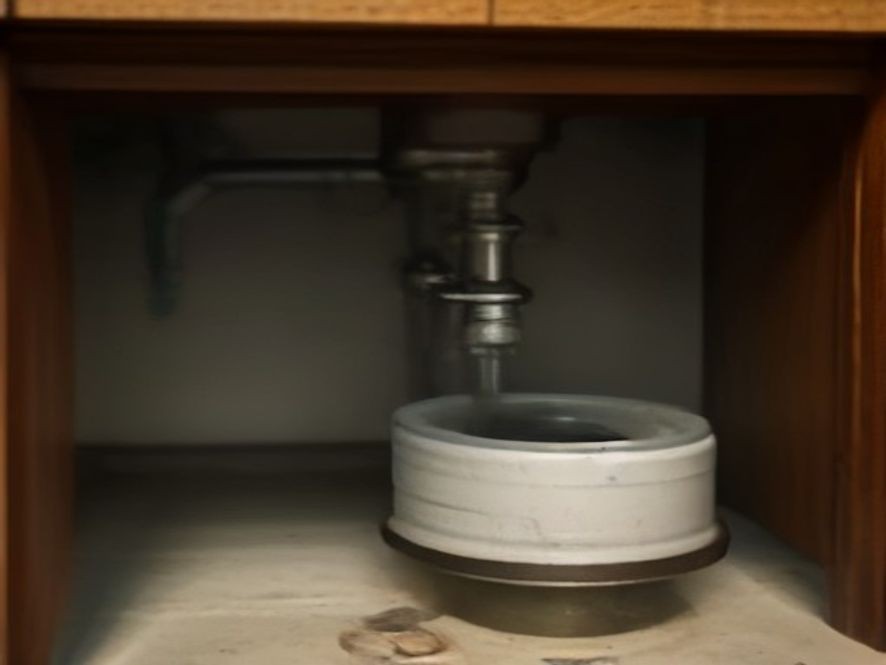
The P-trap is the curved pipe under your kitchen sink. It’s designed to hold a small amount of water at all times. This water creates a seal that blocks sewer gases from rising up through the drain and into your home .
If you’ve been away on vacation or don’t use your kitchen sink often, that water can evaporate. When the seal breaks, sewer gas has a direct path into your kitchen. The fix is simple: just run water down the drain for a minute or two to refill the trap .
Grease and Food Buildup
Kitchen drains deal with a lot of grease, oil, and food scraps. Even with a garbage disposal, tiny bits of food make their way into your pipes. Over time, grease coats the pipe walls and traps food particles. Bacteria break down this trapped material and release hydrogen sulfide gas, which gives off that unmistakable rotten-egg smell .
The issue gets worse when you pour hot water down the drain. The heat softens the grease coating and releases the trapped odors into your kitchen . This is why some people notice the smell only when running hot water.
Clogged or Blocked Vents
Your plumbing system has vent pipes that run up through your roof. These vents serve two purposes: they let air into the drain system so water flows smoothly, and they allow sewer gases to escape safely outside .
When a vent becomes blocked by leaves, debris, bird nests, or ice, the gases have nowhere to go. They get pushed back through the drains and into your home . A blocked vent can also create negative pressure that actually pulls water out of the P-trap, breaking that protective seal .
Cracked or Damaged Pipes
Sometimes the problem is physical damage to your plumbing. Cracked pipes, loose connections, or worn-out seals can allow sewer gas to escape before it reaches the outside vent. These issues often require a professional to locate and repair .
Step-by-Step Guide: How to Eliminate Sewer Smell in Your Kitchen
Follow these steps in order. Start with the simplest solutions and work your way up.
Step 1: Flush the P-Trap
Run water down the drain for 1 to 2 minutes. If the smell is caused by a dry P-trap, this alone should fix the problem. The water creates a fresh seal and blocks the gas from coming up .
Step 2: Clean with Baking Soda and Vinegar
If running water doesn’t help, try the classic baking soda and vinegar method:
- Pour 1/2 cup of baking soda down the drain
- Slowly add 1 cup of white vinegar
- Let it fizz and bubble for 10 to 15 minutes (cover the drain for better results)
- Flush with boiling water or very hot water
The reaction helps loosen grease film and neutralizes odors . This works best for smells caused by grease and food buildup, not for sewer gas issues .
Step 3: Clean the Garbage Disposal
If you have a garbage disposal, food particles can get trapped under the rubber splash guard or around the blades. Try these fixes:
- Drop ice cubes and kosher salt into the disposal and run it. The ice scrubs the blades clean.
- Run citrus peels through the disposal for a fresh scent.
- Remove the rubber splash guard and clean underneath it—food often gets stuck there .
Step 4: Manually Clean the P-Trap
When the simple fixes fail, you may need to open the P-trap and clean it by hand:
- Place a bucket under the P-trap
- Unscrew the trap (use pliers if it’s tight)
- Remove any gunk and debris inside
- Rinse the trap thoroughly
- Reinstall it snugly and check for leaks
Always place a bucket underneath before opening—there will be water and debris inside .
Step 5: Call a Professional Plumber
If you’ve tried all the DIY methods and the smell persists, it’s time to call an expert. You should also call a plumber if you notice:
- Multiple drains in your home smell like sewer
- The toilet gurgles when you run the kitchen sink
- Water backs up into other fixtures
- The smell returns within a few days after cleaning
These signs point to deeper issues like blocked vents, cracked pipes, or main sewer line problems that require professional equipment .
When to Worry About Sewer Gas
While sewer gas is mostly an unpleasant odor in small amounts, it can pose health risks in larger concentrations. Sewer gas contains hydrogen sulfide, which can cause headaches, dizziness, and nausea . It also contains methane, which is flammable.
Open windows for ventilation if you smell strong sewer gas, and avoid creating sparks or turning on appliances if the smell is intense .
“Most kitchen problems come from small maintenance habits that are often ignored.”
Prevention: How to Keep Your Kitchen Smelling Fresh
The best way to deal with kitchen smells is to prevent them from starting:
| Prevention Habit | Why It Helps |
|---|---|
| Run hot water down the drain after cooking | Washes away grease before it can coat pipes |
| Scrape food scraps into the trash, not the drain | Reduces food buildup in pipes |
| Pour boiling water down the drain weekly | Kills bacteria and melts grease film |
| Use a drain screen over the plughole | Catches food particles |
| Run the garbage disposal with cold water | Keeps grease solid so it flows through pipes |
Wipe grease from pans with a paper towel before washing instead of rinsing it down the drain .
Comparison Table: DIY Fixes for Sewer Smell in Kitchen
| Method | Purpose | Effectiveness | Difficulty | Cost |
|---|---|---|---|---|
| Run water | Refill dry P-trap | High for dry trap issues | Very Easy | Free |
| Baking soda + vinegar | Remove grease and food buildup | Medium for organic smells | Easy | Under $5 |
| Boiling water flush | Melt and wash away grease | Medium for minor buildup | Easy | Free |
| Citrus peels + ice | Clean garbage disposal | Medium for disposal odors | Easy | Under $5 |
| Manual P-trap cleaning | Remove trapped debris | High for clogs | Moderate | Free (DIY) |
| Professional plumbing inspection | Fix vent or pipe issues | Highest for serious problems | Professional | $100-$500+ |
FAQ
Why does my kitchen sink smell like sewer?
The most common causes are a dry P-trap, grease and food buildup in the drain, or a blocked plumbing vent .
How do I fix a smelly kitchen drain?
Start by running water for a minute to refill the P-trap, then try a baking soda and vinegar treatment, followed by hot water .
Why does my kitchen smell like sewer after cleaning?
DIY cleaning methods often miss the deeper buildup in the pipe. The bacteria and grease may be further down than your cleaning reached .
Can sewer gas make you sick?
In small amounts, it’s mostly a nuisance. Higher concentrations can cause headaches, dizziness, and nausea. Methane in sewer gas is also flammable .
What is the best way to clean a smelly kitchen drain?
A combination of baking soda and vinegar, followed by boiling water, is effective for organic smells. For persistent odors, manually cleaning the P-trap works best .
How do I prevent kitchen drain smells?
Avoid pouring grease down the drain, run hot water after each use, and do a weekly maintenance flush with boiling water .
When should I call a plumber for kitchen sewer smell?
Call a plumber if the smell comes from multiple drains, returns quickly after cleaning, or comes with slow drainage or gurgling sounds .
References
Trusted sources for kitchen plumbing advice and cleaning solutions:
- Angi – Sewer Gas in Kitchen Plumbing Causes and Prevention
- Tasting Table – Why Your Kitchen Sink Smells Like Sewer After Cleaning
- HomeServe – How to Get Rid of Kitchen Sink Smells
Which kitchen problem do you want solved next? Share your thoughts in the comments.