Garbage Smell in Kitchen With No Trash: What to Check
You’ve taken out the trash, scrubbed the counters, and even mopped the floor—but that rotten garbage smell is still hanging around your kitchen.
TL;DR
When your kitchen smells like garbage but the bin is empty, the odor is usually coming from your sink drain, garbage disposal, or hidden spots like the dishwasher, fridge drip pan, or range hood. Grease and food particles trapped in pipes and appliances decompose and create odors that smell just like rotting trash. Checking and cleaning these hidden areas will usually solve the problem without calling a plumber.
Key Takeaways
- Kitchen sink drains trap grease and food particles that rot and create garbage-like smells
- The garbage disposal splash guard hides gunk underneath that can stink up your entire kitchen
- Dishwasher filters hold food debris that decomposes and smells awful
- Fridge drip pans collect water that can grow mold and bacteria
- Range hood filters trap oily grease that turns rancid over time
Why Does My Kitchen Smell Like Garbage When the Trash Is Empty?
If your kitchen smells like garbage but you’ve already taken the trash out, the odor is likely coming from somewhere else. Many kitchen appliances and plumbing fixtures trap food particles, grease, and moisture in ways you might not notice until they start to decompose and release foul smells .
The smell can be confusing because it genuinely smells like rotting food—because that’s exactly what it is. The difference is that the food is hidden in your drains, filters, or appliances instead of in the trash can.
7 Places to Check When Your Kitchen Smells Like Garbage
1. Your Kitchen Sink Drain and Garbage Disposal
The kitchen sink is the most common source of garbage smells even when the trash is empty. This is what to check:
The Drain Itself: Grease and food residue stick to the inside of your drain pipes over time. When you wash dishes, you’re sending grease down the drain, and it coats the pipe walls like a greasy film. Bacteria feast on this buildup and release the smell of rotting food .
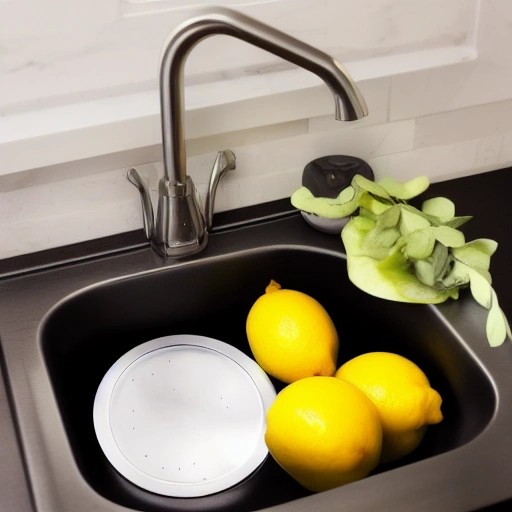
The Garbage Disposal Splash Guard: The rubber flap at the drain opening traps food particles underneath it. Flipping it up and cleaning under it is often the quickest fix for a stinky kitchen . You might find a surprising amount of gunk hidden there.
How to fix it:
- Run cold water and grind ice cubes in the disposal to scrape residue from the blades
- Pour baking soda into the disposal, followed by vinegar, let it fizz for 10 minutes, and flush with hot water
- Remove the rubber splash guard and scrub it with a baking soda paste and old toothbrush
- Run cold water before, during, and after using the disposal to keep grease solid so it flows through
2. Your Dishwasher Filter
Many people don’t realize dishwashers have filters that need cleaning. Food particles get trapped in the filter to prevent clogs, but that food sits in warm water between cycles and decomposes. If you’ve never cleaned your dishwasher filter, it can be the source of a persistent garbage smell .
How to fix it: Find the filter at the bottom of your dishwasher, remove it (consult your manual), rinse it thoroughly, and scrub away debris. Do this monthly.
3. The P-Trap Under Your Sink
The P-trap is the U-shaped pipe under your sink that holds water to block sewer gases. If that water evaporates (like when you go on vacation), sewer gas can come up the drain and smell just like garbage or sewage .
How to fix it: Simply run water for a minute or two to refill the P-trap . If the smell persists, you may need to remove and clean the P-trap manually .
4. Your Range Hood Filter
Range hoods suck in grease and smoke from cooking. The filters trap this greasy residue, and over time, it turns rancid. People are often shocked by the oily, fishy smell that builds up in old range hood filters .
How to fix it: Remove the filter and soak it in hot soapy water, or run it through the dishwasher if it’s dishwasher-safe. Clean it monthly.
5. Your Refrigerator Drip Pan
The drip pan sits under your refrigerator and catches condensation and water. It also catches spills and food bits that can slip underneath the fridge. This pan can grow mold and bacteria that release a musty, garbage-like smell .
How to fix it: Pull out your refrigerator, locate the drip pan, slide it out carefully, empty it, and clean it with soap and water or a baking soda paste . Do this every six months.
6. The Fridge Seal and Crisper Drawers
Food crumbs fall into the bottom of refrigerator crisper drawers and rot. Molds can develop in the crevices of the rubber door seal. The vegetable drawer is one of the germiest spots in the kitchen and can harbor serious bacteria .
How to fix it: Remove and wash crisper drawers with soapy water, and wipe the fridge door seal with a mild bleach solution.
7. Clogged Plumbing Vents
Your plumbing system has vent pipes that go up through the roof. These vents let sewer gases escape outside. If a vent gets blocked by leaves, debris, or ice, sewer gases can be forced back through your drains and into the kitchen .
How to fix it: A clogged vent usually requires a professional plumber to clear. If your garbage smell comes with gurgling sounds when water drains, this might be the cause .
Prevention: How to Stop Garbage Smells Before They Start
| Prevention Habit | Why It Helps |
|---|---|
| Never pour grease down the drain | Grease solidifies and traps food particles |
| Run cold water during disposal use | Keeps grease solid so it moves through pipes |
| Clean dishwasher filters monthly | Removes food before it decomposes |
| Clean under the disposal splash guard | Removes hidden gunk at the source |
| Wipe range hood filters regularly | Prevents rancid grease buildup |
| Check fridge drip pans twice a year | Stops mold growth and musty odors |
Most kitchen odors come from small maintenance habits that are often ignored.
Comparison Table: Garbage Smell Sources and Solutions
| Source | Why It Smells Like Garbage | Easiest Fix |
|---|---|---|
| Kitchen sink drain | Grease and food buildup in pipes | Baking soda + vinegar treatment |
| Garbage disposal | Food under splash guard | Remove and scrub the guard |
| Dishwasher filter | Trapped food decomposing | Clean filter monthly |
| P-trap | Water evaporated, sewer gas rises | Run water for a minute |
| Range hood filter | Rancid grease accumulation | Soak in soapy water |
| Fridge drip pan | Mold in stagnant water | Clean with soap and baking soda |
| Clogged vent pipe | Sewer gas can’t escape outside | Call a plumber |
FAQ
Why does my kitchen smell like garbage when the trash is empty?
The odor is likely coming from hidden sources like the sink drain, garbage disposal, dishwasher filter, or fridge drip pan where food debris and moisture collect .
How do I find a garbage smell in my kitchen?
Start by smelling the sink drain, then check under the disposal splash guard, and finally inspect the dishwasher filter and fridge drip pan.
Can a dirty garbage disposal make my whole kitchen smell like trash?
Yes—food trapped in the disposal or under the rubber splash guard can smell strongly of rotting garbage. Cleaning these areas often solves the problem instantly .
What if my kitchen smells like garbage after cleaning?
You probably missed hidden spots like the range hood filter, dishwasher filter, or P-trap. Clean these and see if the smell disappears .
Why does my kitchen smell like garbage but no food is left out?
Grease and food particles in drains decompose and create garbage-like smells even when you haven’t left food out .
How often should I clean my garbage disposal?
Run ice cubes through it weekly and give it a baking soda and vinegar treatment monthly for odor prevention .
Can a clogged vent make my kitchen smell like garbage?
Yes—clogged plumbing vents can force sewer gases back through drains, creating a sewage or garbage smell .
References
Trusted sources for kitchen troubleshooting and plumbing advice:
- Blanton & Sons – What’s That Smell in My Kitchen?
- Nine.com.au – Hidden Nasties in Your Kitchen
- Sub-Zero – Refrigerator Drain Pan Cleaning
- Ohio Buckeye Plumbing – Kitchen Odor Guide
Which kitchen problem do you want solved next? Share your thoughts in the comments.