Why Does My Kitchen Smell Worse After Cooking? Causes and Easy Fixes
You just finished making dinner, but instead of enjoying that satisfied, full feeling, you’re hit with a wave of unpleasant odors that seem worse than when you started.
TL;DR
A kitchen that smells worse after cooking usually means you’re dealing with lingering grease, trapped steam, or dirty appliances that release odors as they heat up . The fix involves deep cleaning your stovetop, oven, and range hood, improving ventilation, and using natural odor absorbers . For persistent problems, you may need to clean hidden spots like your dishwasher filter or garbage disposal .
Key Takeaways
- Grease vapor is sticky: When you cook, grease vaporizes, rises, and condenses on every surface—walls, cabinets, and ceilings—trapping odors that release later .
- Ventilation is your first line of defense: A dirty or underpowered range hood can’t remove smoke and steam, leaving odors trapped indoors .
- Your appliances hold onto smells: Ovens, microwaves, and dishwashers can release trapped odors when they heat up .
- Cleaning the source is better than masking: Air fresheners only hide the smell—deep cleaning eliminates it .
The Real Causes Behind Worse Smells After Cooking
Let’s break down why your kitchen can smell worse after you’ve been cooking, not better.
Why Grease and Steam Make Things Worse
When you cook, especially with oil or fat, you’re creating invisible particles that float through the air. Here’s what happens next:
- Grease vaporization: When oil gets hot enough, it vaporizes. As it rises, it cools and condenses on your walls, cabinets, and ceiling, leaving a sticky film .
- Odor absorption: These grease particles trap and hold onto food odors. Over time, this film builds up and releases smells whenever your kitchen warms up .
- Steam carries smells: Boiling water, soups, and sauces release steam. This steam carries odor molecules that then settle onto surfaces when they condense .
- Inadequate ventilation: If your range hood doesn’t vent outside or has a clogged filter, smoke and odors have nowhere to go but back into your kitchen .
Dirty Appliances That Release Odors When Heated
Sometimes the smell gets worse because your appliances are releasing trapped odors during cooking:
| Appliance | Why It Smells Worse After Cooking |
|---|---|
| Oven | Old spills burn when the oven heats up, releasing smoke and smell |
| Stovetop | Drip pans and burners have built-up grease that burns during use |
| Range hood | Clogged filters can’t trap new grease and may release old odors |
| Microwave | Food splatters burn when reheating, releasing trapped smells |
| Dishwasher | Food particles in the filter release odors when heated during drying |
Why Cooking Odors Can Actually Intensify
Sometimes the smell gets worse simply because of the way odors work:
- Odor molecules multiply: As food cooks, more and more odor molecules are released into the air .
- Heat releases trapped smells: Warm air can release odors that were trapped in surfaces when the kitchen was cool .
- Humidity amplifies smells: Moist air holds onto odor molecules more effectively, making them seem stronger .
- Your sense of smell adapts: You might not notice the smell while cooking, but after you step out and return, it hits you harder .
A Step-by-Step Guide to Eliminating Cooking Odors
This comprehensive approach will help you tackle the problem from every angle.
Step 1: Clean Your Cooking Surfaces
Start with the obvious sources of grease and residue:
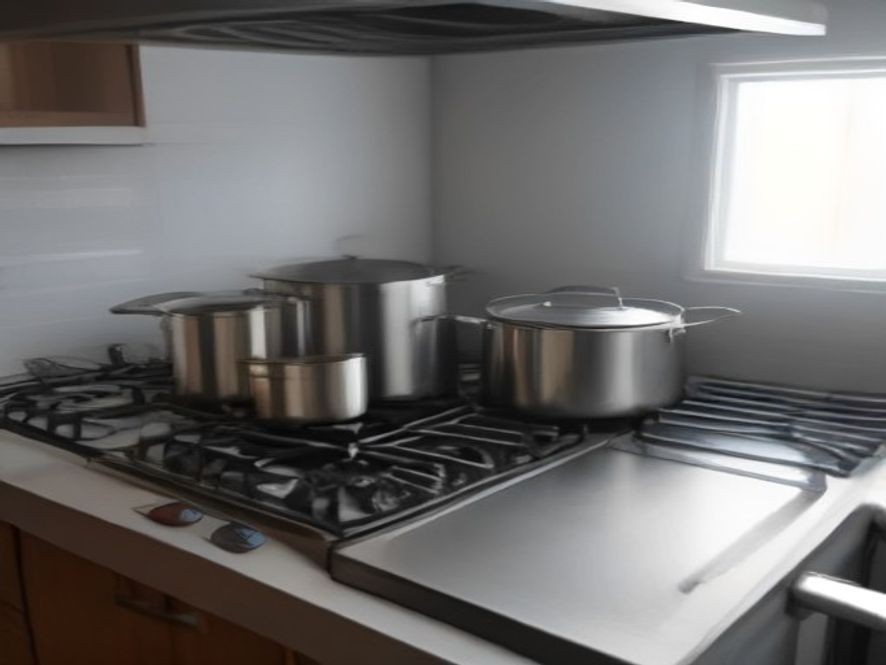
- Stovetop: Remove and clean all burner grates, drip pans, and caps. Soak them in hot, soapy water, then scrub away burnt residue .
- Oven: Use a baking soda paste to clean interior surfaces. Let it sit for several hours or overnight, then scrub and wipe clean .
- Microwave: Heat a bowl of water with lemon slices for 5 minutes, then wipe down the interior. The steam loosens grime, and the lemon leaves a fresh scent .
- Cookware: Check your pots and pans. Burnt-on food can continue smoking even after cooking. Scrub them thoroughly.
Step 2: Deep Clean Your Range Hood
Your exhaust system needs attention too:
- Remove the filter: Soak it in hot water with dish soap or baking soda for 15-20 minutes .
- Scrub and rinse: Use a brush to remove trapped grease, then rinse thoroughly .
- Replace charcoal filters: If your hood recirculates air, replace the charcoal filter every 6-12 months .
- Wipe the hood exterior: Grease can accumulate on the underside and exterior. Wipe it clean with a degreaser.
Step 3: Wash Walls, Ceilings, and Cabinets
This is the step most people skip, but it’s essential for eliminating trapped odors:
- Make a degreasing solution: Mix equal parts white vinegar and warm water, or use a small amount of dish soap .
- Wipe down all surfaces: Use a sponge or microfiber cloth to wash the walls, ceiling, and cabinet fronts near the stove .
- Rinse and dry: Follow up with a clean water rinse to remove any soapy residue.
- Don’t forget the floor: Grease can settle on the floor near the stove. Mop it with a degreasing solution.
Step 4: Improve Ventilation
Proper airflow is key to preventing odors from building up:
- Open windows and doors: Create a cross-breeze to flush out stale, smoky air .
- Use fans: Place a box fan in a window facing outward to pull odors out of the room .
- Run your vent fan: Turn it on before you start cooking and leave it running for 10-15 minutes after you finish .
- Consider an upgrade: If your range hood is underperforming, look into a higher CFM model that vents outside .
Step 5: Use Natural Odor Absorbers
Once the source is clean, tackle lingering odors with these natural methods:
| Item/Method | Purpose | How to Use |
|---|---|---|
| White Vinegar | Neutralizes odors | Place bowls of vinegar around the kitchen overnight |
| Baking Soda | Absorbs odors | Leave an open box in the kitchen |
| Activated Charcoal | Traps odor molecules | Place bags of charcoal in corners |
| Simmer Pot | Replaces odor with pleasant scent | Simmer cinnamon sticks, cloves, and orange peels |
| Coffee Grounds | Absorbs and replaces odor | Leave a bowl of fresh grounds out |
“Most kitchen problems come from small maintenance habits that are often ignored.” Regular cleaning and proper ventilation are the keys to a fresh-smelling kitchen.
Comparison of Common Odor-Eliminating Methods
| Method | Best For | How It Works | Duration |
|---|---|---|---|
| Baking Soda | Everyday maintenance | Absorbs odors chemically | 1-3 months |
| Activated Charcoal | Stubborn, persistent smells | Traps particles physically | 1-2 months |
| White Vinegar | Active odor neutralization | Neutralizes alkaline compounds | Immediate |
| Simmer Pot | Creating fresh atmosphere | Replaces odor with pleasant scent | During cooking |
| Air Purifier | Continuous filtration | Filters particles and odors | Ongoing |
How to Prevent Kitchen Odors in the Future
Prevention is always easier than deep cleaning. Here’s how to keep your kitchen smelling fresh:
Cook Smarter
- Use oils with high smoke points: Avocado, grapeseed, and peanut oil produce less smoke and odor than olive oil or butter at high heat .
- Don’t overheat your pan: If you see wisps of smoke, your pan is too hot .
- Cover pots and pans: A lid or splatter screen prevents grease from escaping .
- Pat food dry: Water causes oil to splatter, which can burn on your stovetop .
Maintain Your Ventilation
- Use your vent fan: Turn it on before you start cooking and leave it running after you finish .
- Clean your filter monthly: Make it a habit to clean your range hood filter every month .
- Replace charcoal filters regularly: Set a reminder every 6 months .
Clean as You Go
- Wipe spills immediately: A quick wipe prevents burnt-on residue later .
- Deep clean monthly: Set aside time monthly to degrease your kitchen .
- Regular cleaning prevents grease buildup and bad odors.
Frequently Asked Questions
Why does my kitchen smell worse after cooking than before?
Cooking releases grease and steam that deposit on surfaces, and heat can release trapped odors from previous cooking sessions. Poor ventilation also allows odors to accumulate rather than escape .
What is the best way to get rid of cooking odors?
The best approach combines ventilation (opening windows, using range hood), absorbing odors (baking soda, vinegar bowls), and addressing the source (cleaning grease and spills) .
Can a dirty range hood make my kitchen smell worse?
Yes, a clogged range hood filter cannot properly capture grease and odors, allowing them to recirculate back into your kitchen and potentially release trapped odors from earlier cooking .
Why do I only smell cooking odors after leaving the kitchen?
Your olfactory sense adapts to odors after a few minutes of exposure. When you leave and return, you perceive the accumulated odor more strongly .
How can I prevent cooking odors from spreading?
Use the range hood while cooking, keep windows open for cross-ventilation, cover pots and pans, and clean grease immediately after cooking .
Sources and references for kitchen odor prevention and maintenance:
- EPA – Kitchen Ventilation and Indoor Air Quality
- HouseLogic – Kitchen Smoke Prevention
- Better Homes & Gardens – Kitchen Odor Solutions
- USDA – Food Safety Cleaning Guidelines
Which kitchen problem do you want solved next? Share your thoughts in the comments.