How to Prevent Kitchen Sink Drain Clogs From Coming Back: A Simple Homeowner’s Guide
You just cleared a stubborn clog, and the water is flowing again—but if you don’t change a few daily habits, that clog will be back before you know it.
The good news is that preventing clogs is much easier than fixing them. With a few smart habits and a regular cleaning routine, you can keep your kitchen sink drain flowing freely for years.
TL;DR
- Stop pouring grease down the drain—it solidifies and traps food particles, causing repeat clogs.
- Use a mesh drain strainer to catch food scraps before they enter the plumbing system.
- Clean your drain weekly with baking soda and vinegar to break down buildup before it hardens.
- Flush with hot water after every use to wash away residual grease and food particles.
- Use your garbage disposal correctly—run cold water and avoid problem foods like coffee grounds and starchy scraps.
Key Takeaways
- Grease and oil are the biggest culprits behind recurring kitchen clogs because they solidify and create sticky barriers in pipes.
- A simple weekly maintenance routine with natural cleaners prevents buildup from becoming a blockage.
- Drain strainers are your best defense against food scraps reaching the P-trap .
- Hot water flushes after washing dishes help wash away grease before it settles .
- Regular cleaning extends the life of your plumbing and prevents costly repairs .
Why Clogs Keep Coming Back
The main reason clogs return after you clear them is that the root cause is still there. A plunger or snake might clear the immediate blockage, but if grease and food particles are still going down the drain, the same buildup will happen again .
The Grease Problem
Pouring grease, cooking oil, or fat down the drain is the number one cause of kitchen sink clogs . When hot grease is liquid, it moves easily. But as it cools in your pipes, it solidifies and sticks to the pipe walls. Over time, this greasy layer narrows the pipe and traps food particles, creating a stubborn clog that keeps coming back .
A common mistake is thinking hot water will solve the problem. While hot water can temporarily melt grease, it quickly cools further down the pipe, and the grease solidifies just the same .
The Food Scrap Problem
Even if you have a garbage disposal, not everything should go down the drain. Certain foods are notorious troublemakers:
- Coffee grounds clump together and form thick sludge
- Pasta, rice, and potatoes absorb water and expand inside pipes
- Eggshells and fibrous vegetables (like celery and onion skins) can damage disposal blades
The Biofilm Factor
Even if you’re careful, small amounts of food and grease will naturally enter your drain. Over time, these create a sticky layer called biofilm—a colony of bacteria feeding on organic matter . This slimy coating is what causes drain odors and eventually leads to clogs if not regularly cleaned.
Step-by-Step Prevention Routine
Follow this simple routine to stop clogs before they start.
Step 1: Use a Drain Strainer (Every Day)
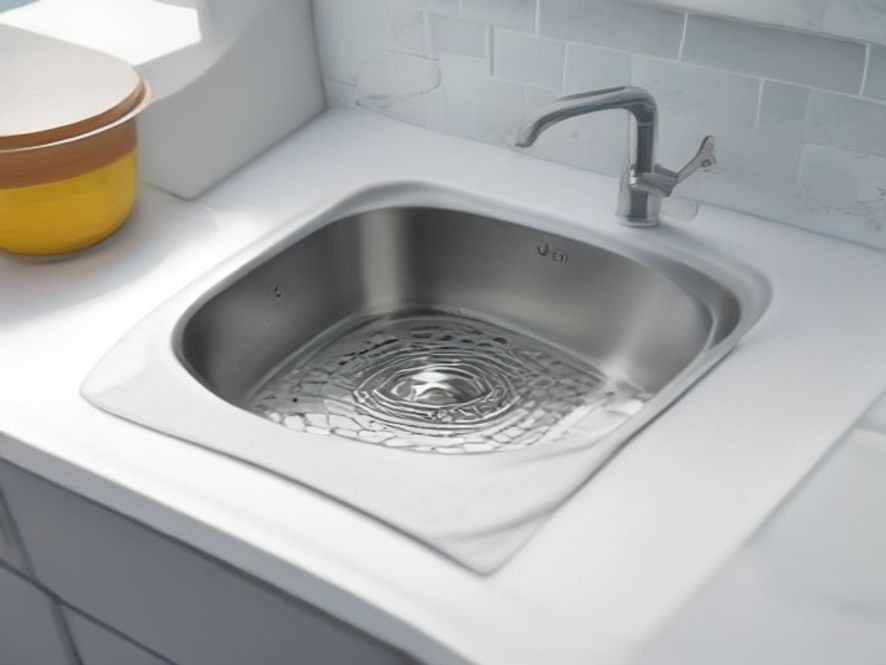
A mesh drain strainer is one of the best investments you can make for your kitchen sink . It sits over the drain opening and catches food scraps, coffee grounds, and other solids before they enter your plumbing .
Empty it into the trash after every use and rinse it regularly. It’s a small habit that prevents big problems.
Step 2: Stop Pouring Grease Down the Drain (Always)
Never pour cooking oil, bacon fat, or grease down the kitchen sink. Instead:
- Let the grease cool in the pan.
- Pour it into a sealable container (like an old jar or can).
- Throw the sealed container in the trash .
For plates and pans, scrape grease into the trash using a paper towel before washing .
Step 3: Flush with Hot Water (After Every Use)
After washing dishes, run hot water down the drain for 30 to 60 seconds . This simple habit flushes residual grease and food particles through the system before they have a chance to settle and accumulate .
If you boil water for tea or coffee, pour the leftover hot water down the drain for an extra flush.
Step 4: Clean Your Drain Weekly with Baking Soda and Vinegar
A weekly cleaning routine prevents buildup from hardening into a stubborn clog . Experts recommend this natural method:
- Run hot tap water down the drain for a few minutes to soften any grease .
- Pour ½ cup of baking soda directly down the drain.
- Follow with 1 cup of white vinegar. The fizzing reaction helps break down grime and deodorize the drain .
- Let the mixture sit for 10 to 15 minutes .
- Flush with boiling water to rinse everything through .
This method cuts through buildup naturally without harsh chemicals .
Step 5: Maintain Your Garbage Disposal Correctly
If you have a garbage disposal, here’s how to keep it from becoming a problem source:
- Always run cold water before, during, and for 30 seconds after using the disposal .
- Feed scraps gradually, not all at once .
- Avoid putting coffee grounds, eggshells, fibrous vegetables, pasta, rice, or potato peels down the disposal .
- Clean it weekly with ice cubes and coarse salt: grind them together, then add citrus peels for a fresh scent .
Comparison Table: Daily Prevention Habits
| Habit | Why It Works | How Often |
|---|---|---|
| Use a drain strainer | Catches food scraps before they enter pipes | Every time you use the sink |
| Scrape plates before washing | Reduces food particles reaching the drain | With every meal cleanup |
| Flush with hot water | Washes away grease before it solidifies | After each dishwashing session |
| Pour grease in the trash | Prevents solidified grease from building up in pipes | Whenever cooking with oil or fat |
| Baking soda and vinegar clean | Breaks down biofilm and neutralizes odors | Weekly |
| Disposal maintenance | Prevents food buildup on blades and pipes | Weekly (ice/salt/citrus treatment) |
What to Avoid
- Don’t use harsh chemical drain cleaners regularly—they can corrode pipes and harm rubber seals .
- Don’t pour bleach down the drain to “clean” it—it’s corrosive and can damage plumbing fixtures .
- Don’t flush coffee grounds down the sink—they clump and cause blockages .
- Don’t run the disposal without water—it can damage blades and allow food to settle in pipes .
When to Call a Professional
Even with good prevention habits, some problems need professional attention. Call a plumber if you notice :
- Slow drainage across multiple fixtures—this points to a deeper blockage in the main line.
- Recurring clogs that keep coming back after you’ve cleared them.
- Persistent odors that cleaning doesn’t resolve.
- Gurgling sounds coming from the drain—a warning sign of a developing clog.
- Water backing up into other fixtures when you clear the kitchen drain.
“Most kitchen problems come from small maintenance habits that are often ignored. A regular check for drips under the sink is an easy habit that can save you thousands of dollars in water damage.”
Frequently Asked Questions (FAQ)
How often should I clean my kitchen sink drain?
Aim to clean it once a week to prevent buildup and odors . A monthly deep clean with baking soda and vinegar is also recommended .
Is it okay to pour boiling water down the drain?
Yes, boiling water is safe for metal pipes and helps flush away grease . For PVC pipes, use very hot tap water to avoid softening the plastic.
Can I put coffee grounds in the garbage disposal?
No. Coffee grounds clump together when wet and create a thick sludge that can clog pipes .
What foods should I never put down the drain?
Avoid coffee grounds, eggshells, fibrous vegetables (celery, onion skins), starchy foods (pasta, rice, potatoes), and large food scraps .
Do natural cleaners really work?
Yes. Baking soda and vinegar are effective for regular maintenance and mild buildup. For stubborn clogs, you may need a professional drain snake .
What’s the best way to dispose of cooking grease?
Pour cooled grease into a sealable container and throw it in the trash—never down the sink .
Preventing kitchen sink clogs isn’t complicated. It just takes a few consistent habits: using a strainer, never pouring grease down the drain, flushing with hot water, and cleaning weekly with natural products. Follow these tips, and you’ll save yourself the frustration of repeat clogs and expensive plumber visits.
Which kitchen problem do you want solved next? Share your thoughts in the comments.
Learn more about kitchen maintenance and plumbing care from trusted sources: